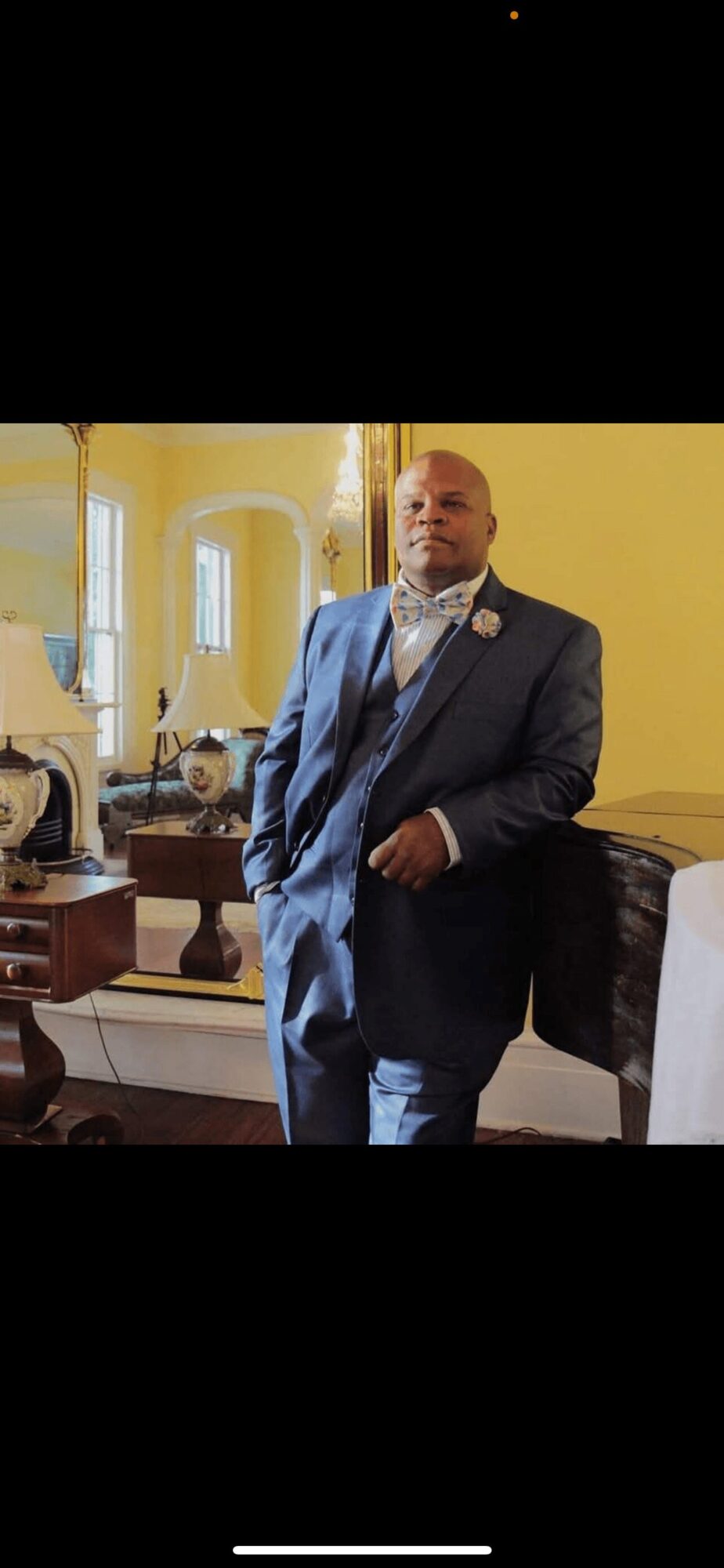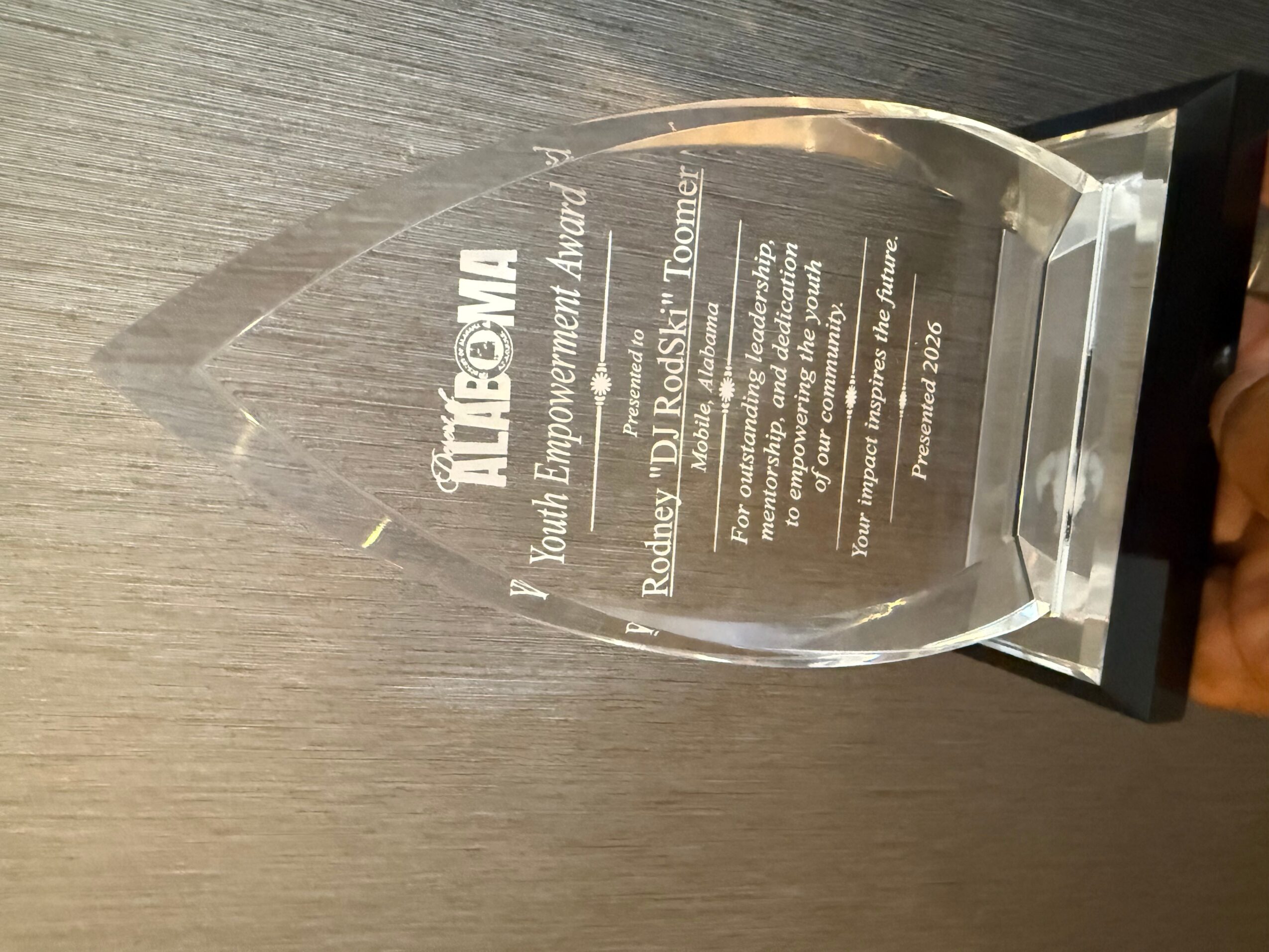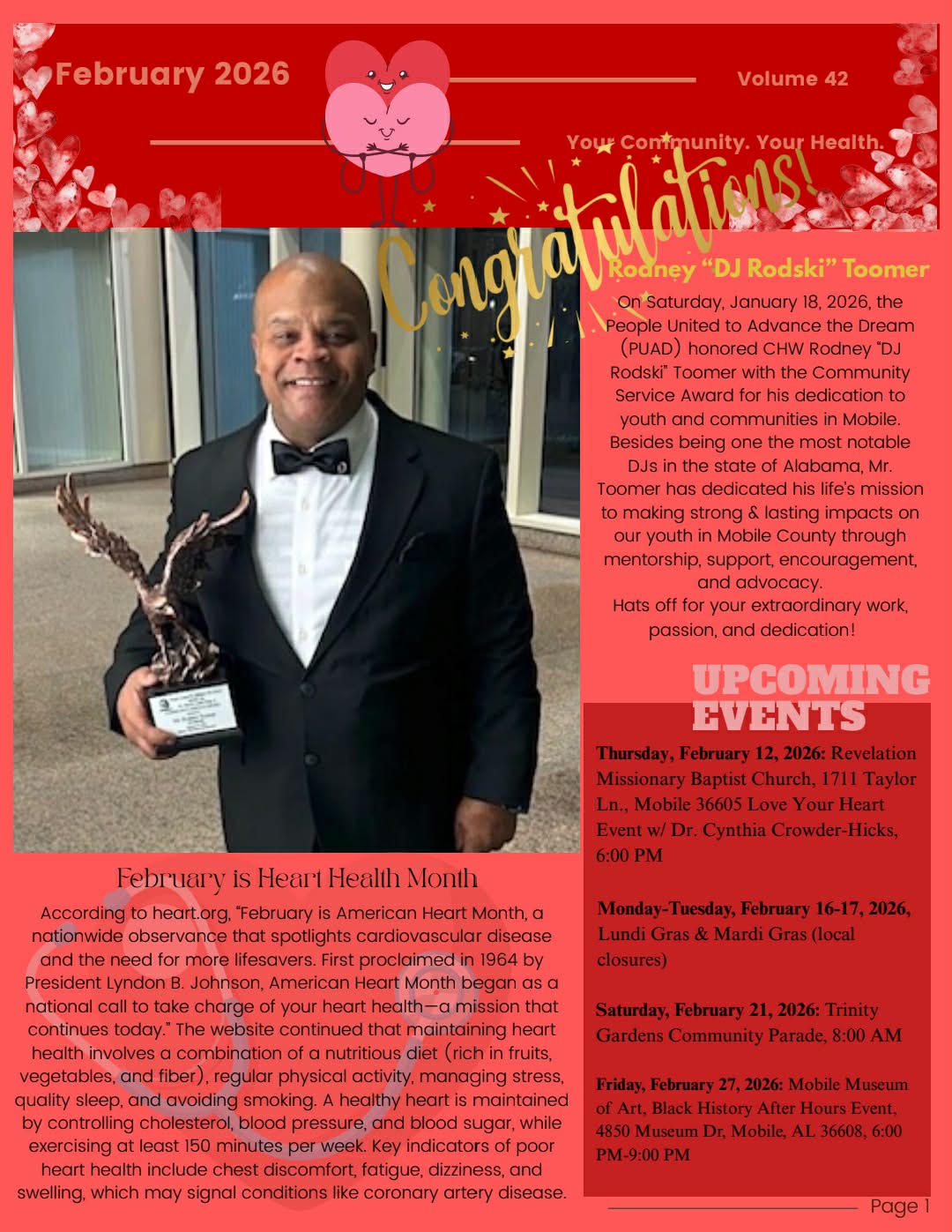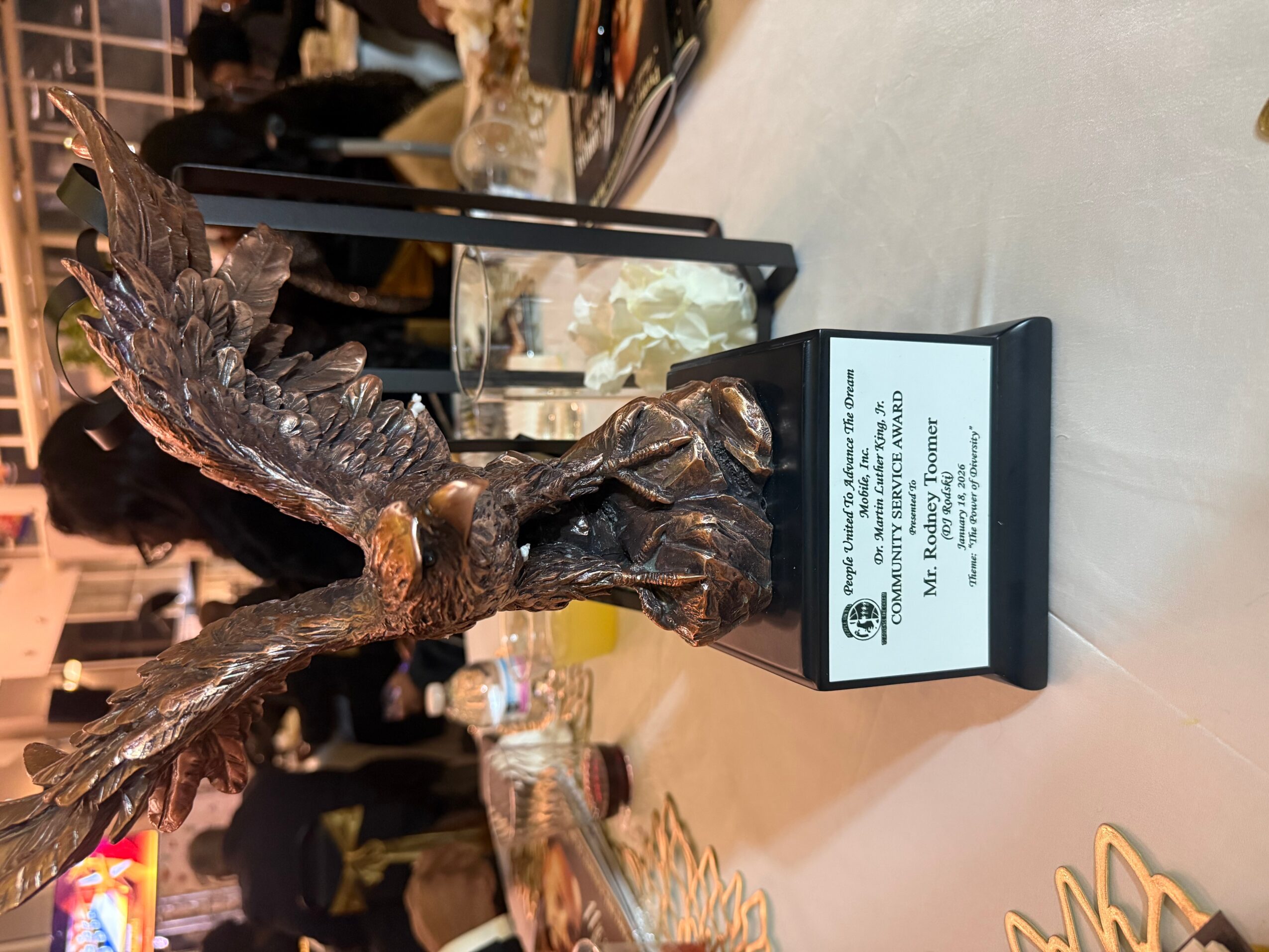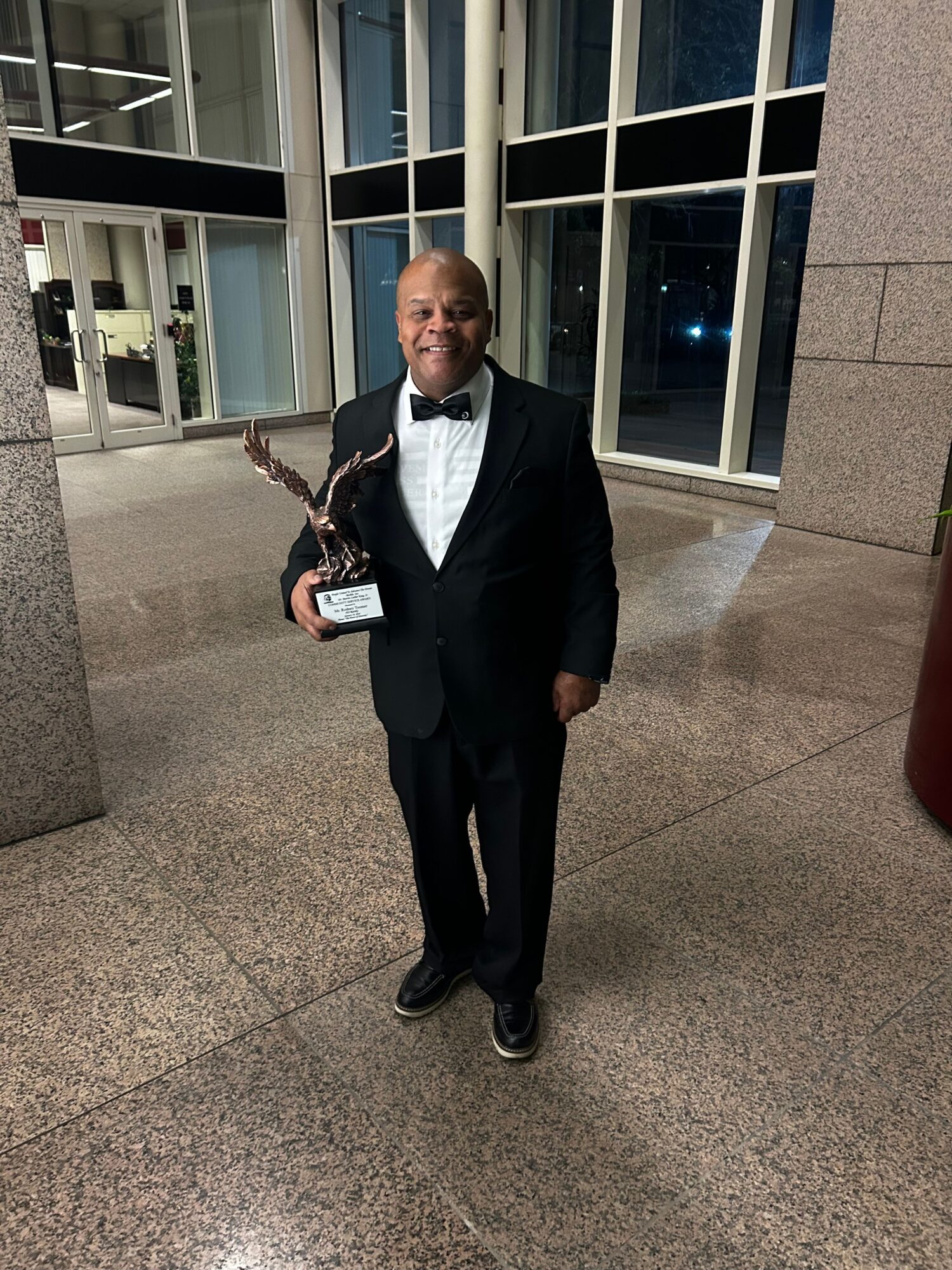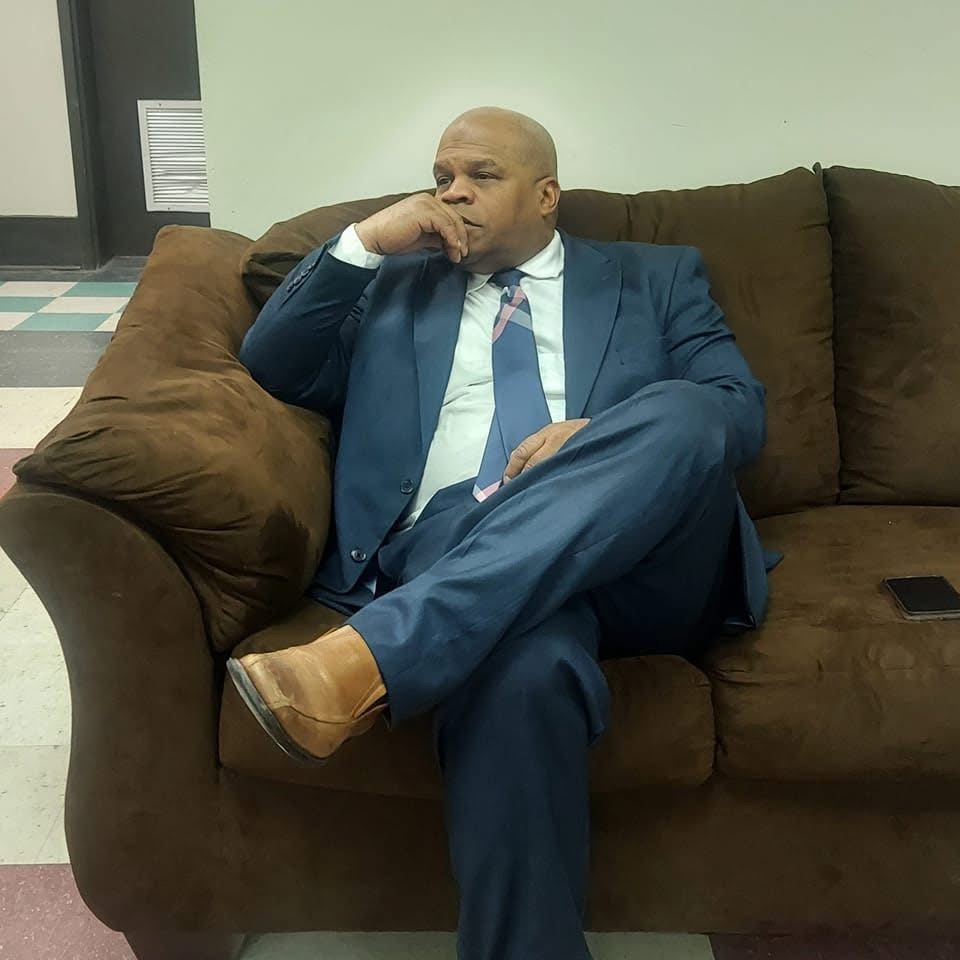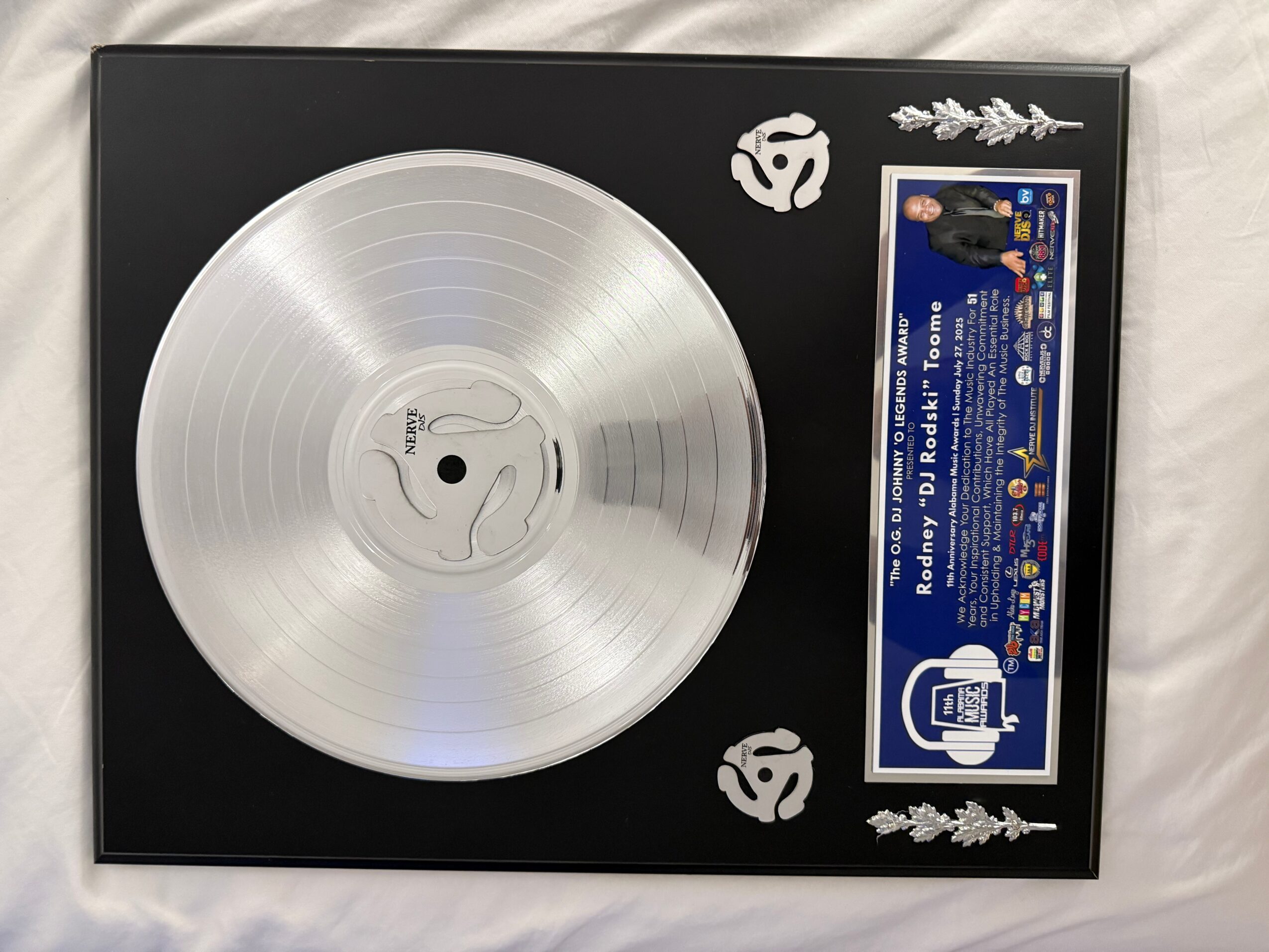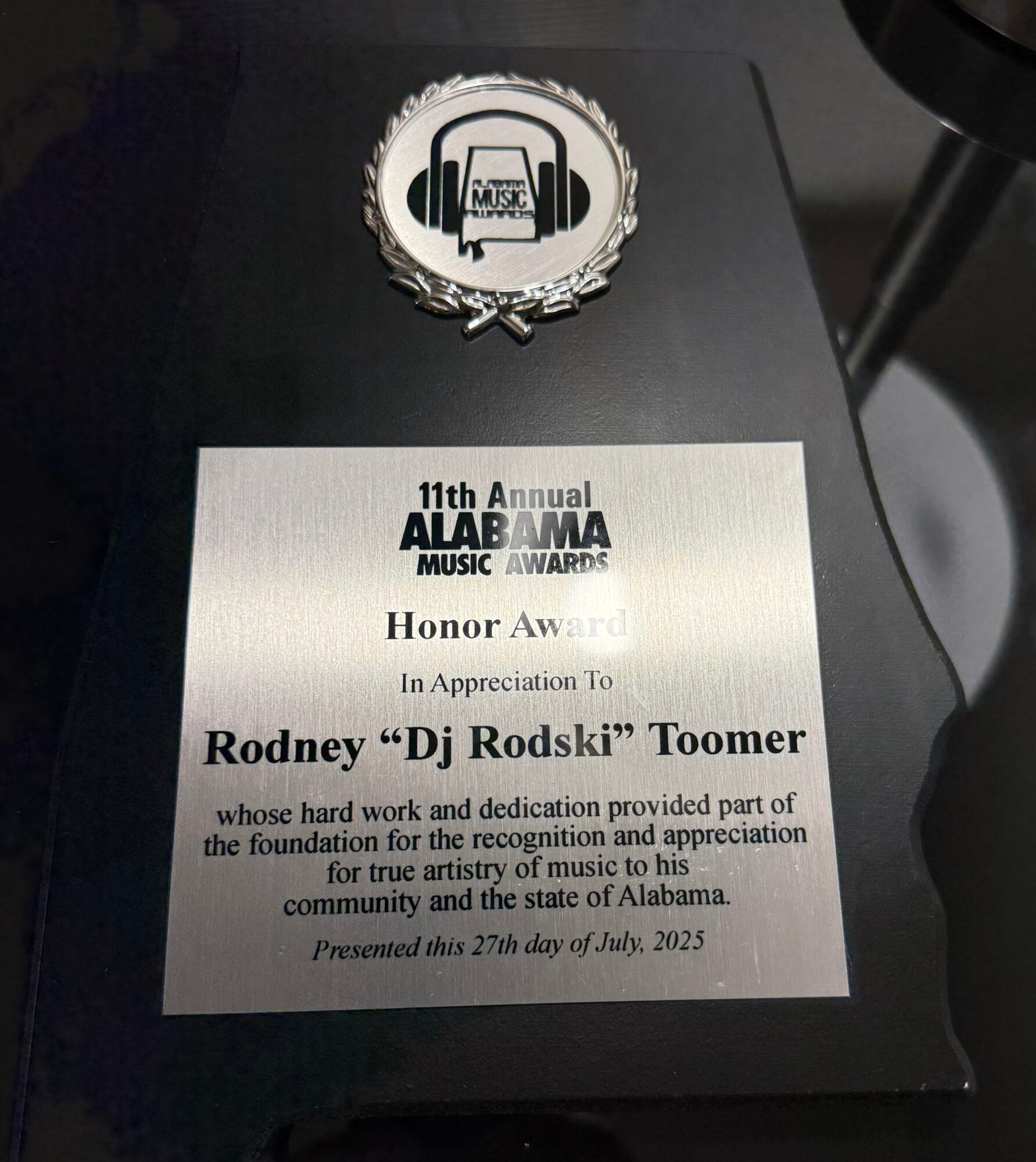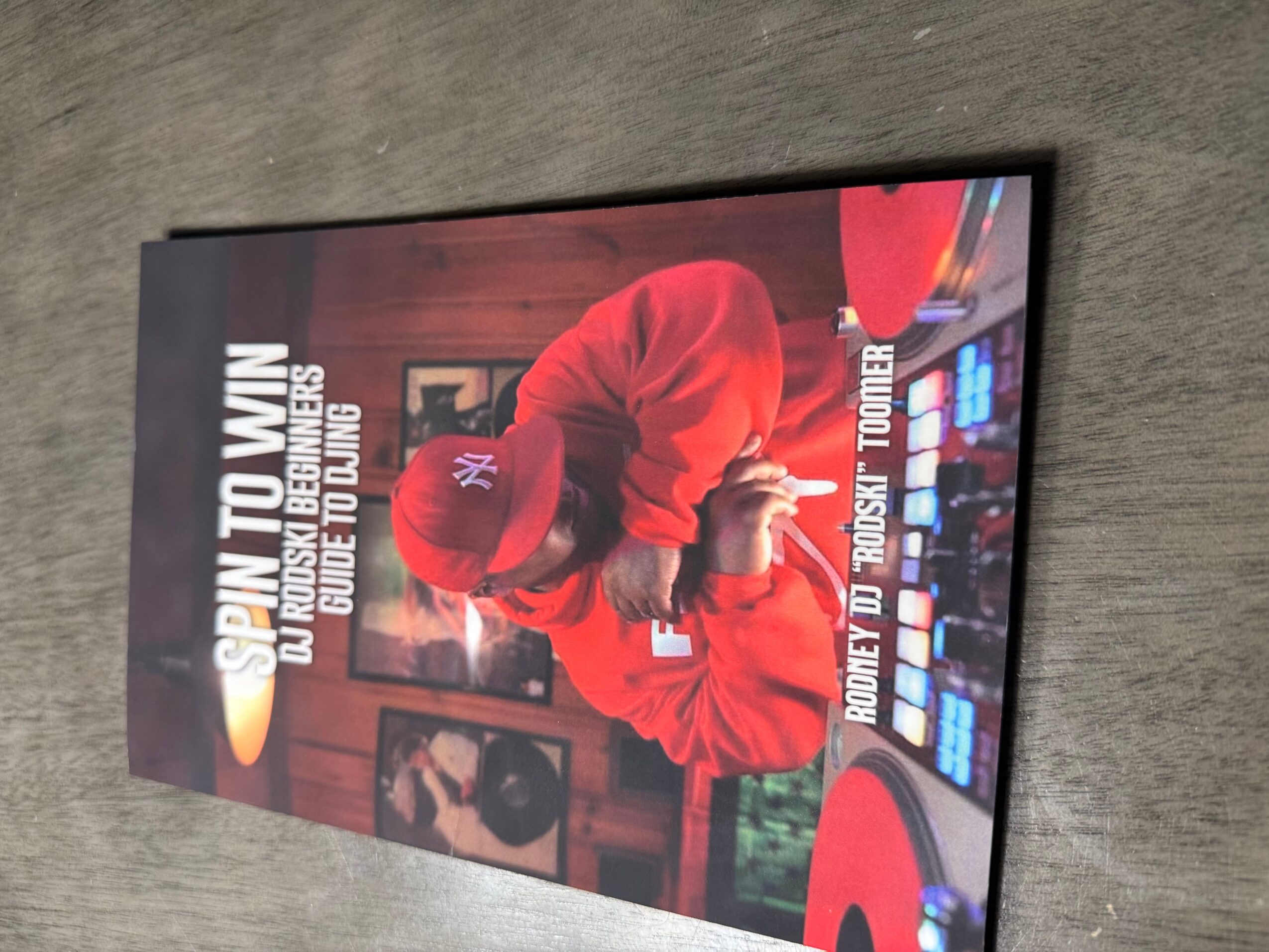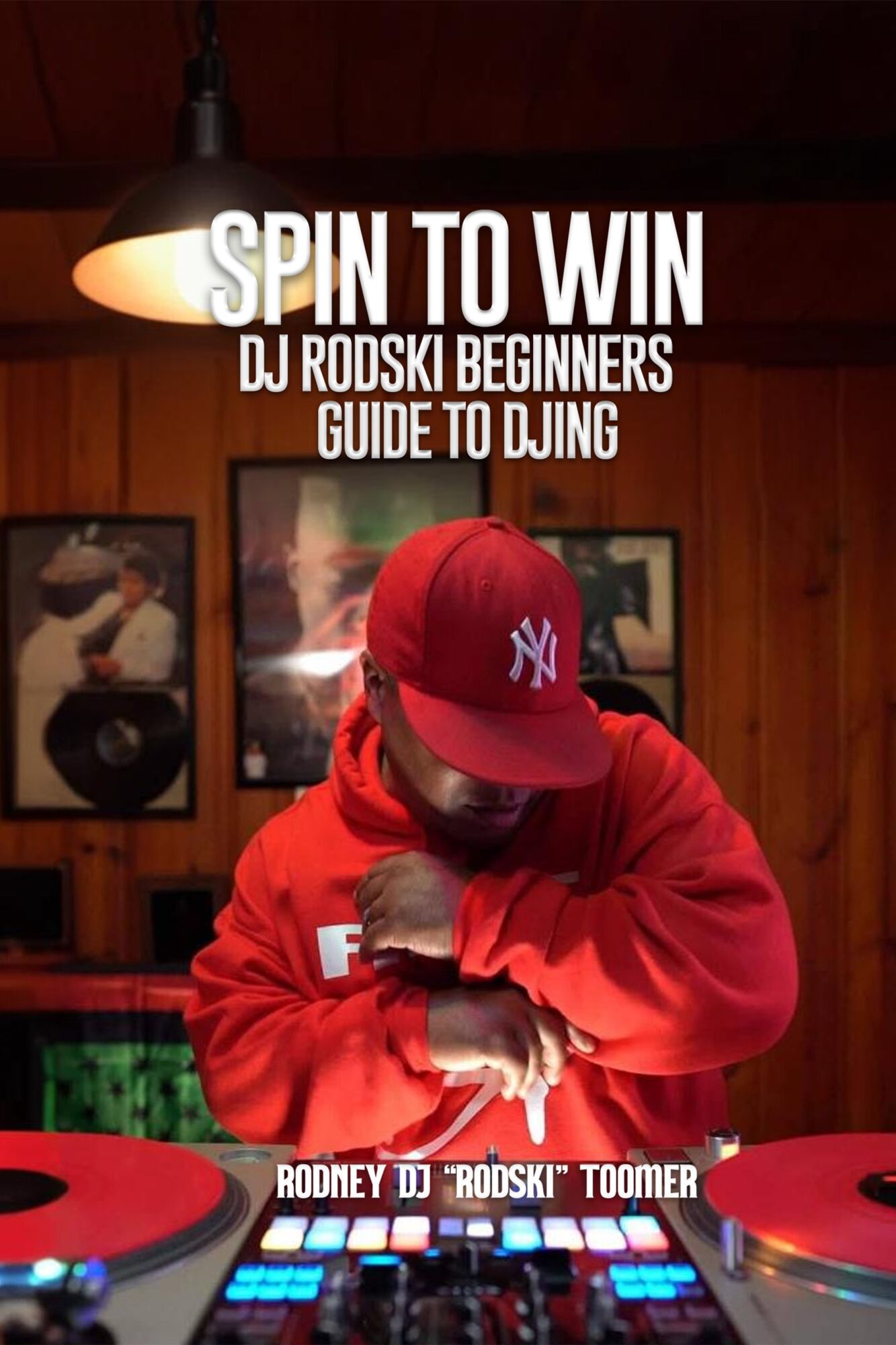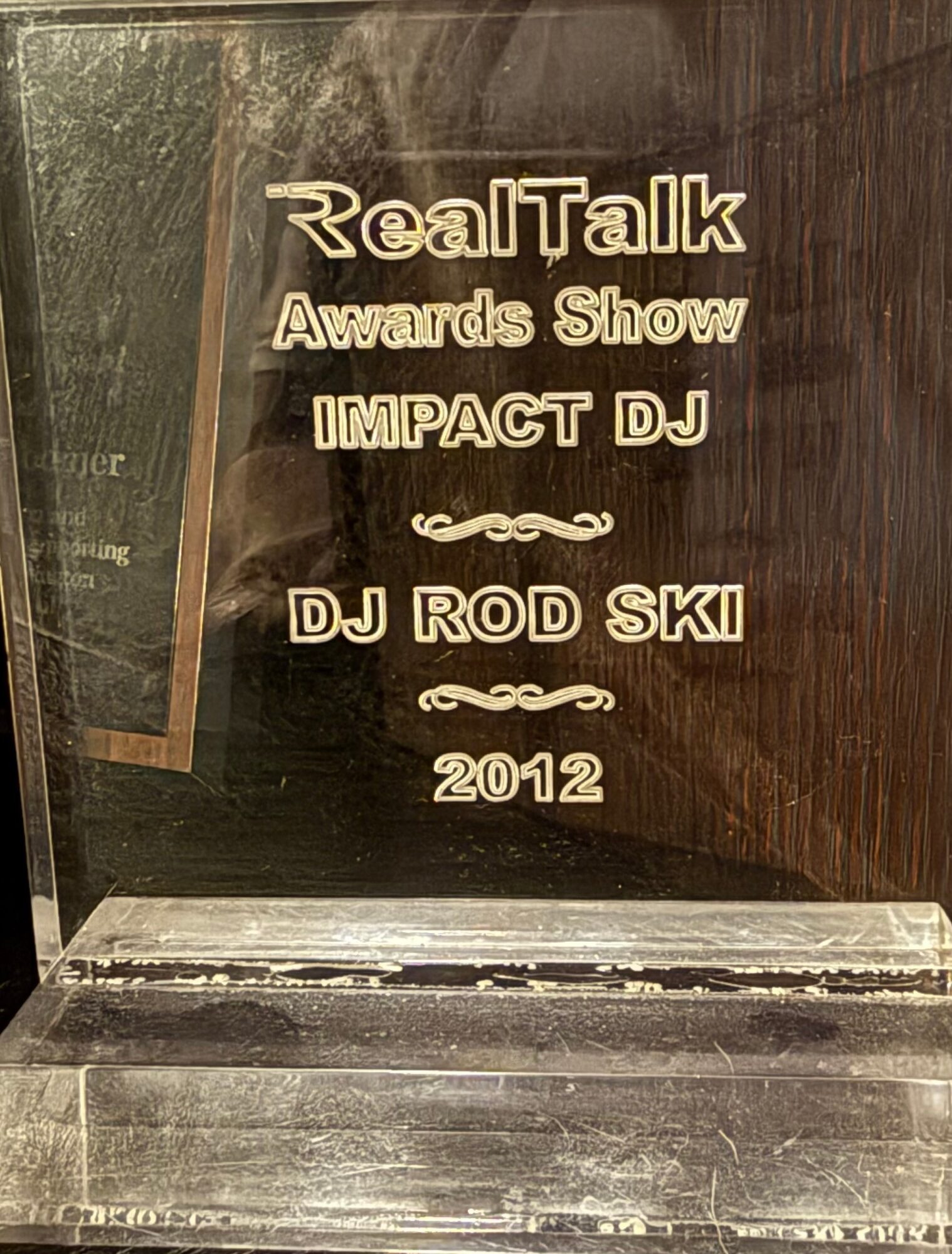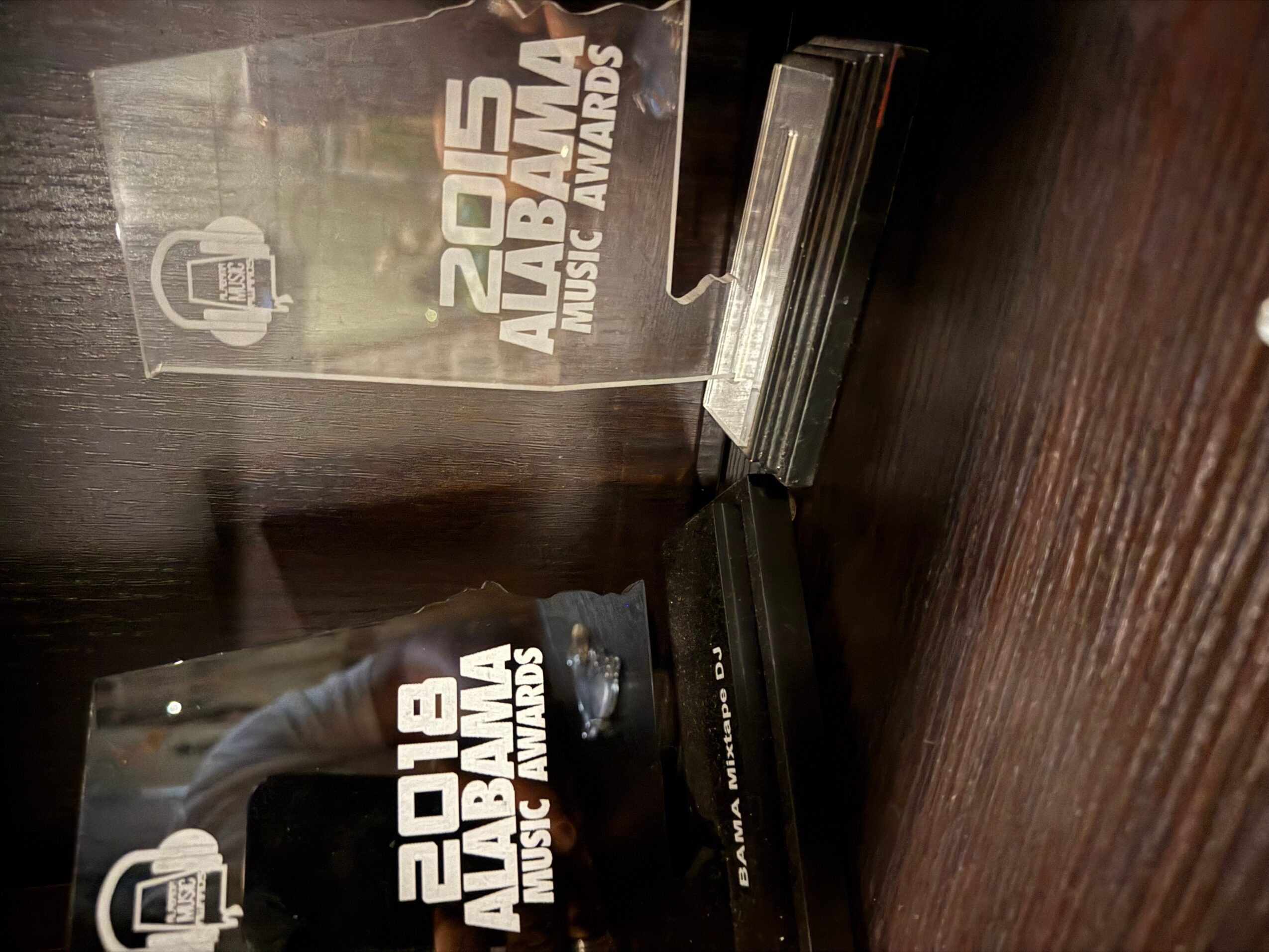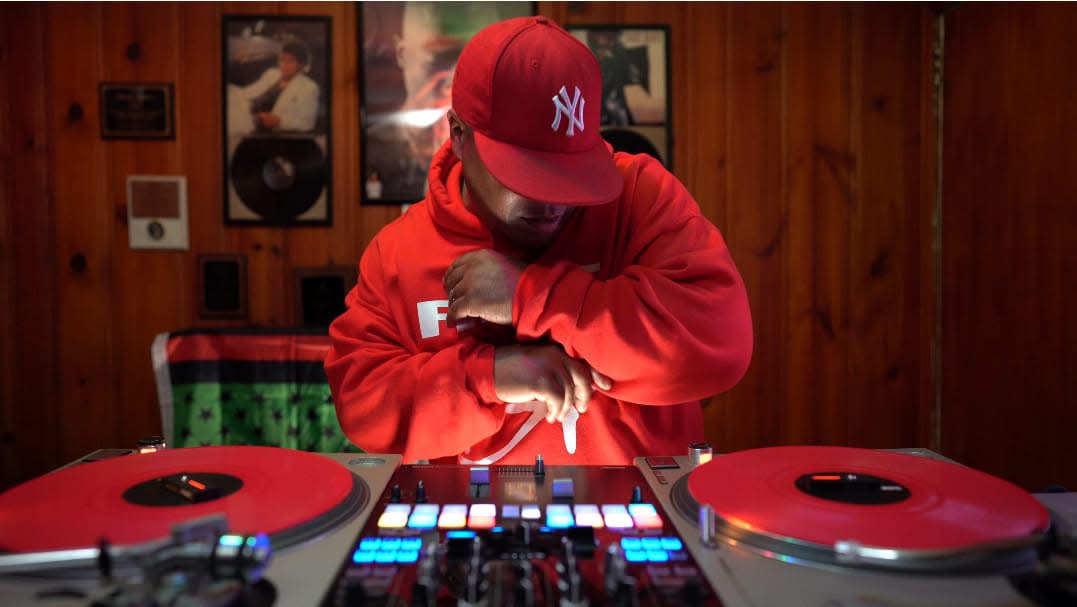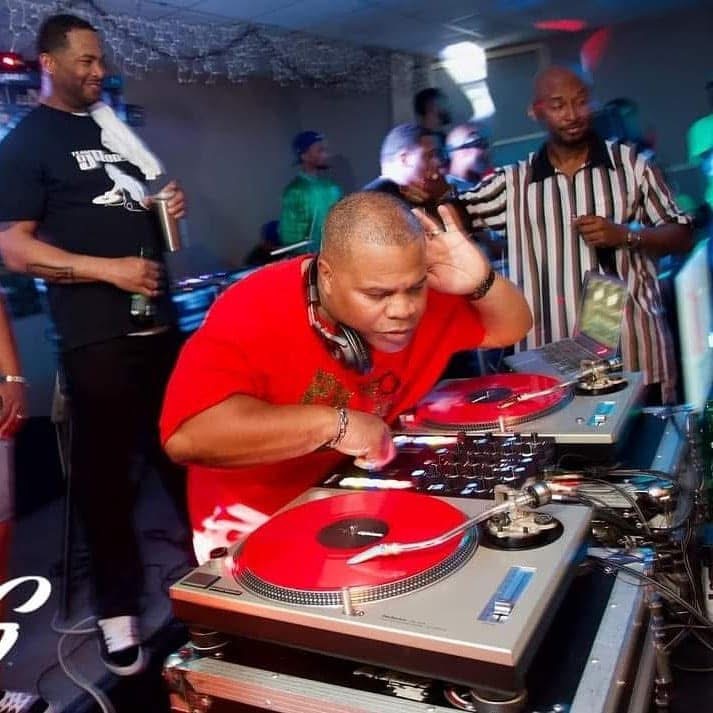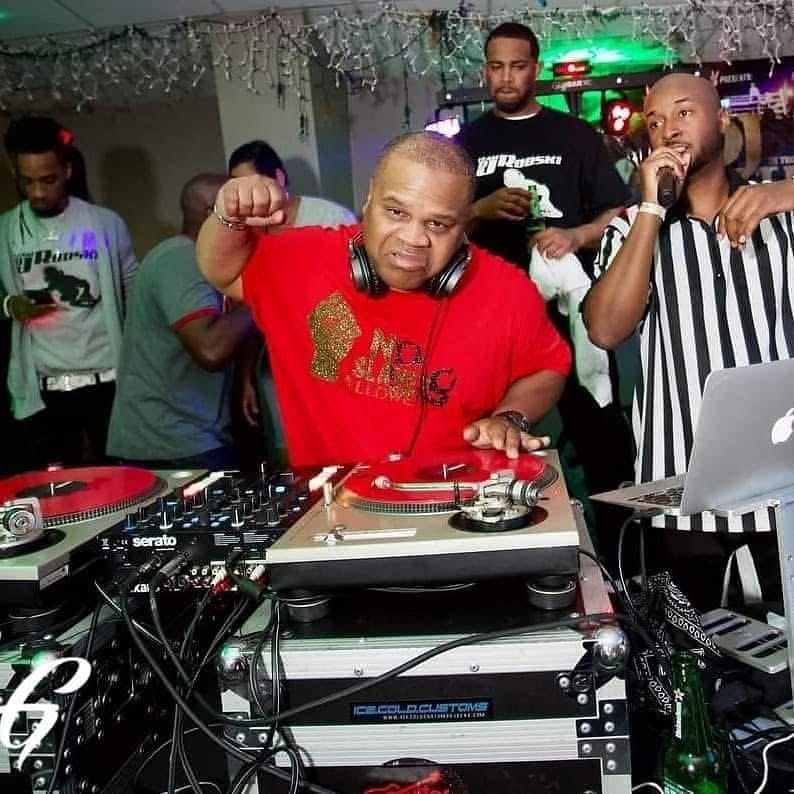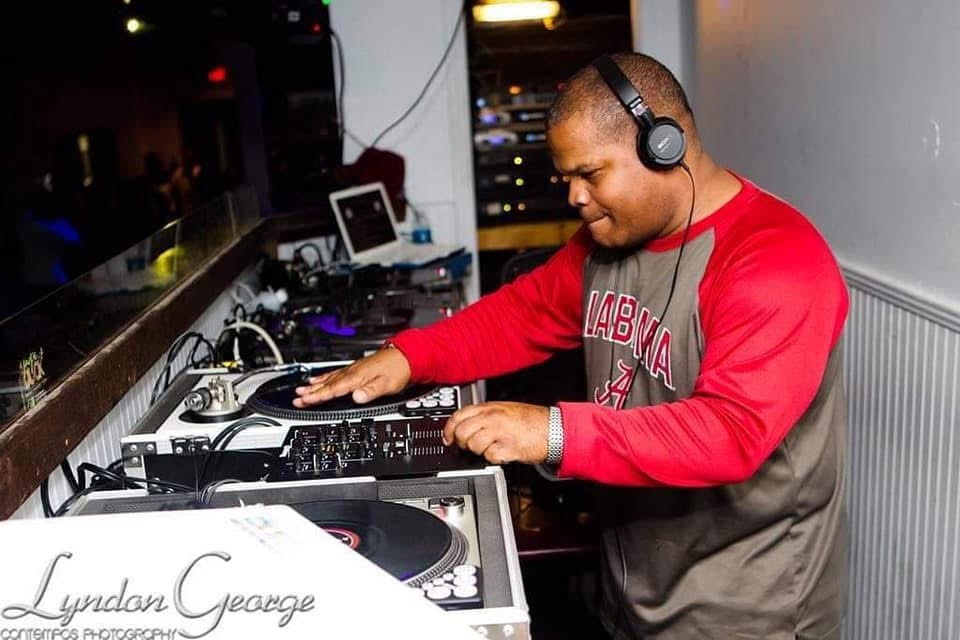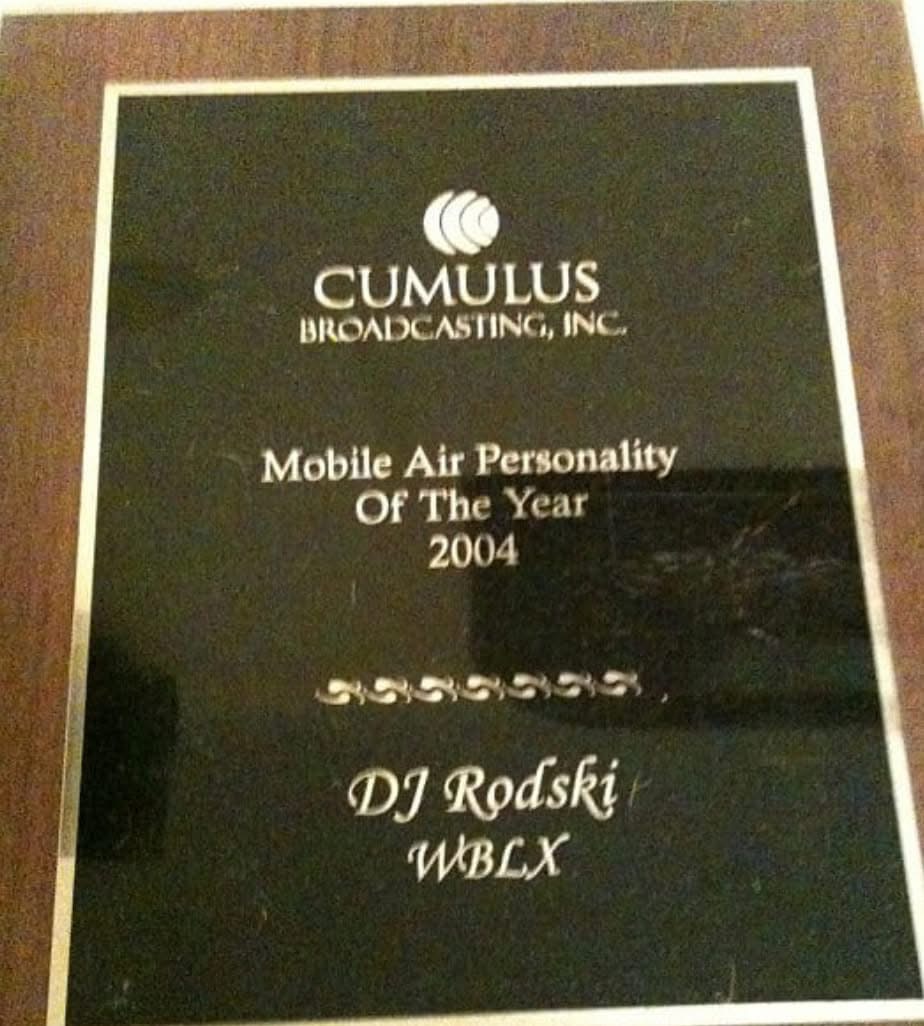
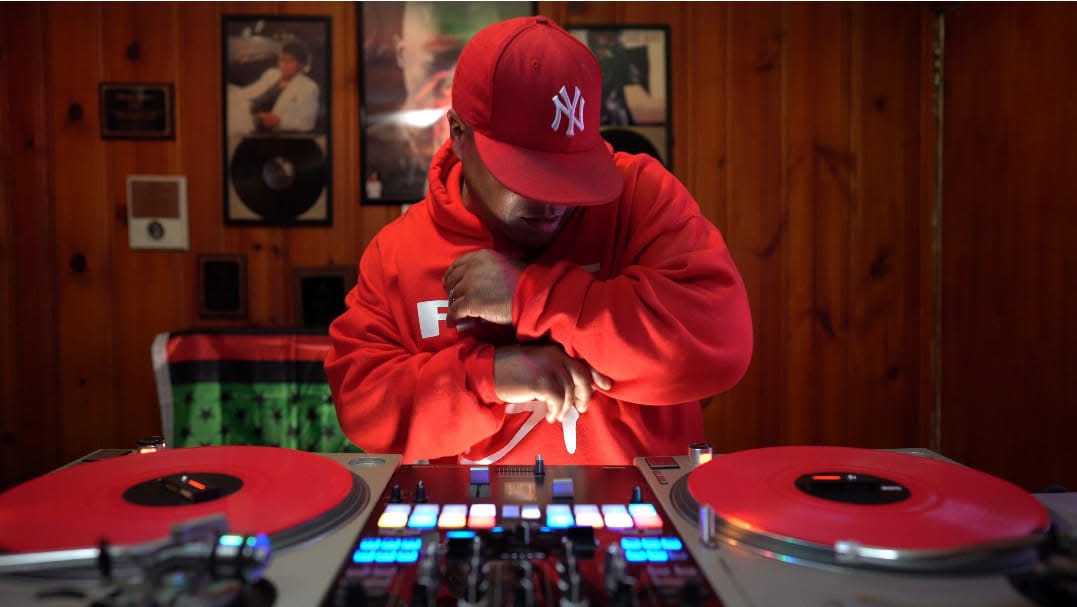
Today we’d like to introduce you to Rodney “Dj Rodski” Toomer.
Hi Rodney “Dj Rodski”, so excited to have you with us today. What can you tell us about your story?
I grew up in Westbury, Long Island, New York, during the early days of hip-hop—when the culture was taking shape in real time. Hip-hop was born in the Bronx on August 11, 1973, and I was immersed in it: DJs, MCs, breakdancing, and graffiti. Around 1980, my family moved to Mobile, Alabama, after my mother remarried, and the transition was a major culture shock. I knew nothing about southern racism the way it showed up here, and I wasn’t prepared for the way it would affect my daily life.
In my first year of school in Semmes , Alabama, conflict escalated quickly. I was surrounded by a majority-white environment and faced a level of overt racism I hadn’t experienced back in New York. I remember a white student using a derogatory name for me, and when I was suspended, I returned and saw him again—so the situation repeated. I ended up being put out of school again. That experience stayed with me and became one of the clearest early lessons about race and how it plays out in the South.
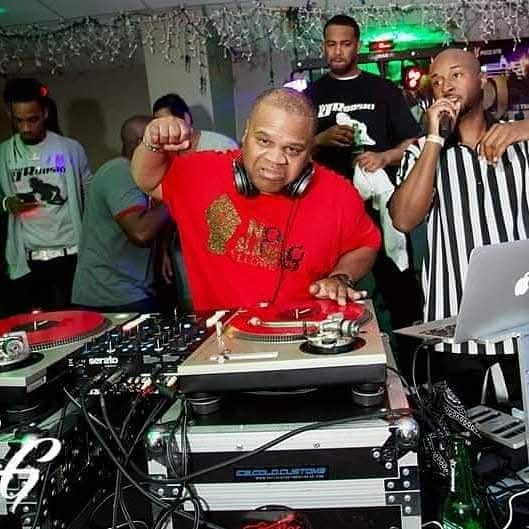
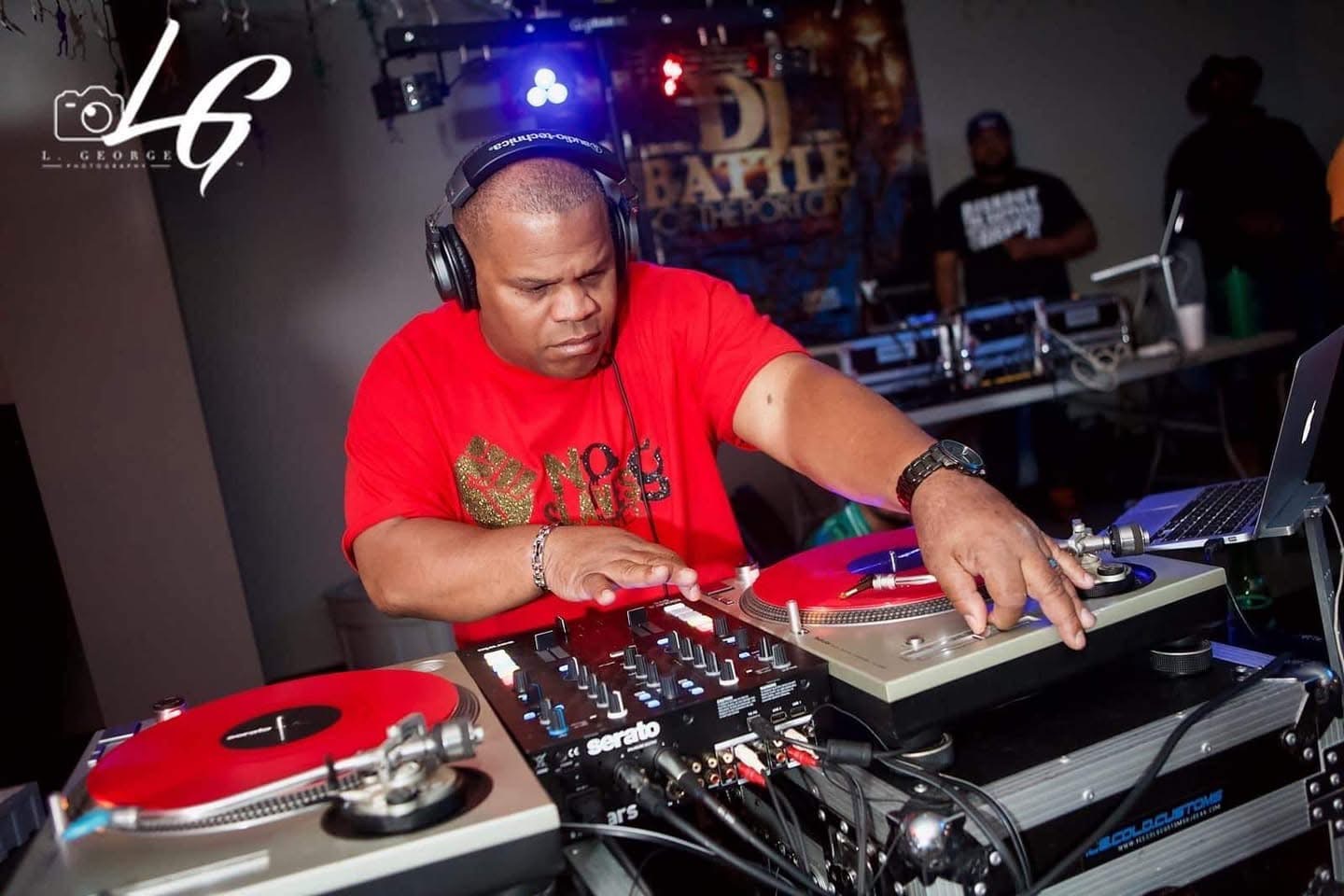
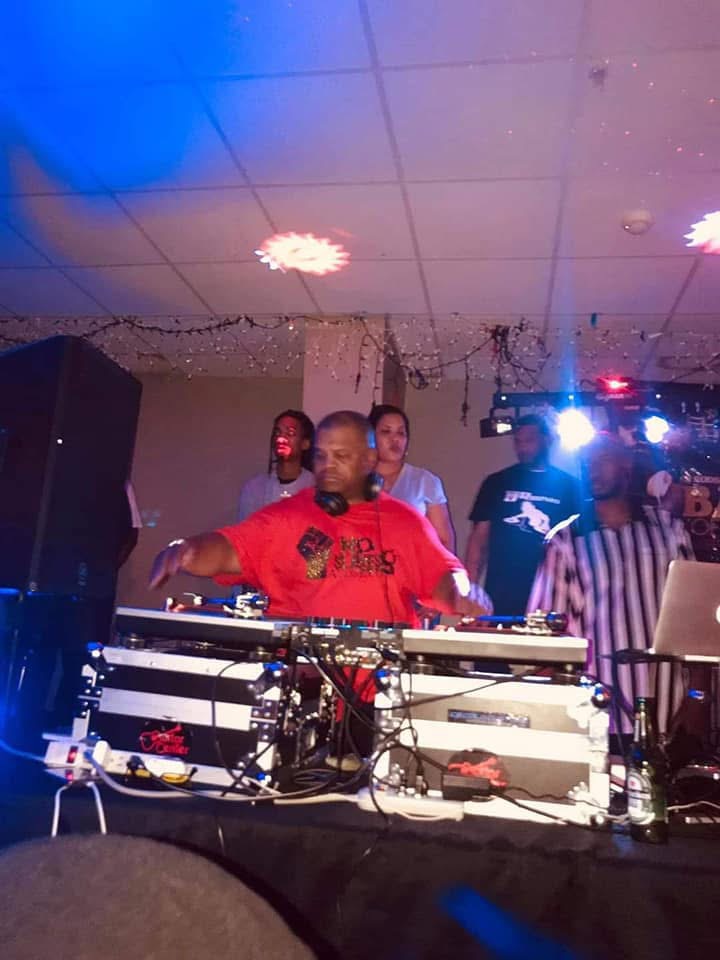
Even with that difficulty, I never left hip-hop behind. My DJ journey began in New York, where I learned the culture and the craft. When I arrived in Mobile, Miami bass was heavy at the time, and I brought my New York hip-hop energy with me. It took a little time to acclimate, but once I understood the local sound, I adapted quickly—and being able to mix and read the room helped me stand out.
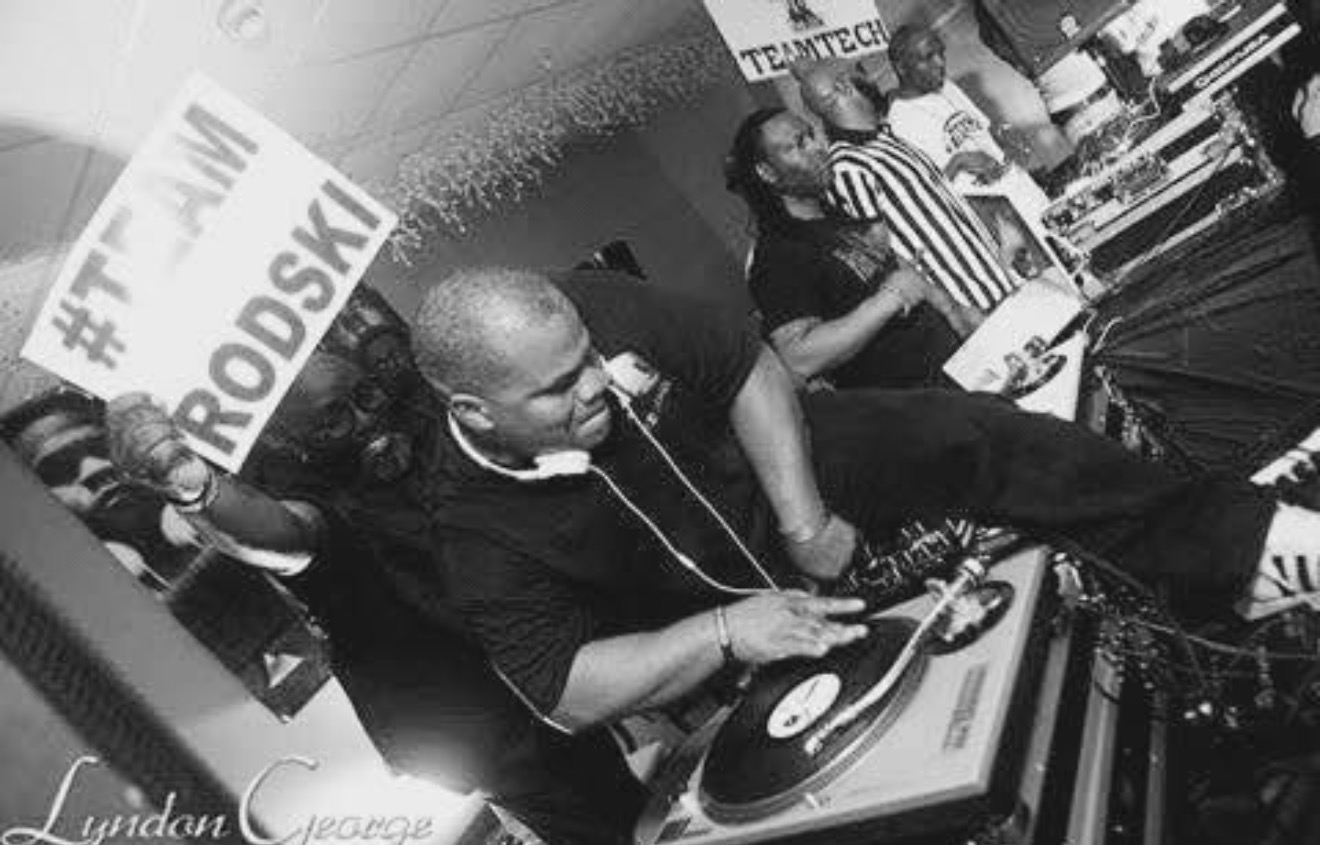
One turning point came when I entered a DJ battle at Bishop State Community College in Mobile. I went up against local DJs who already had radio exposure, including Greg Polk—who later became Greg Street on V103 in Atlanta. I didn’t have the typical equipment advantage—people came with everything fully set up—yet my setup and my skill still drew attention. That performance helped open doors.
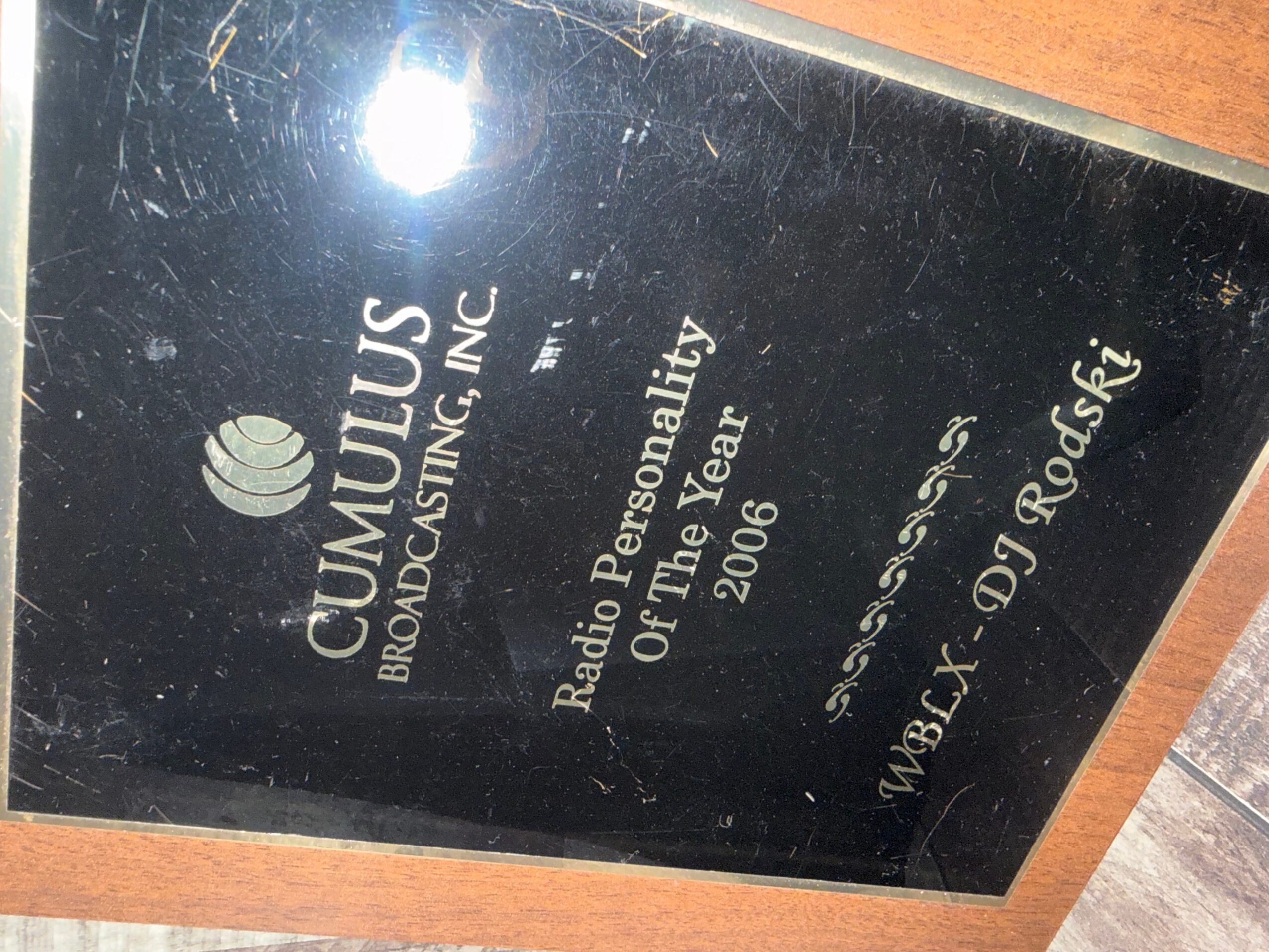
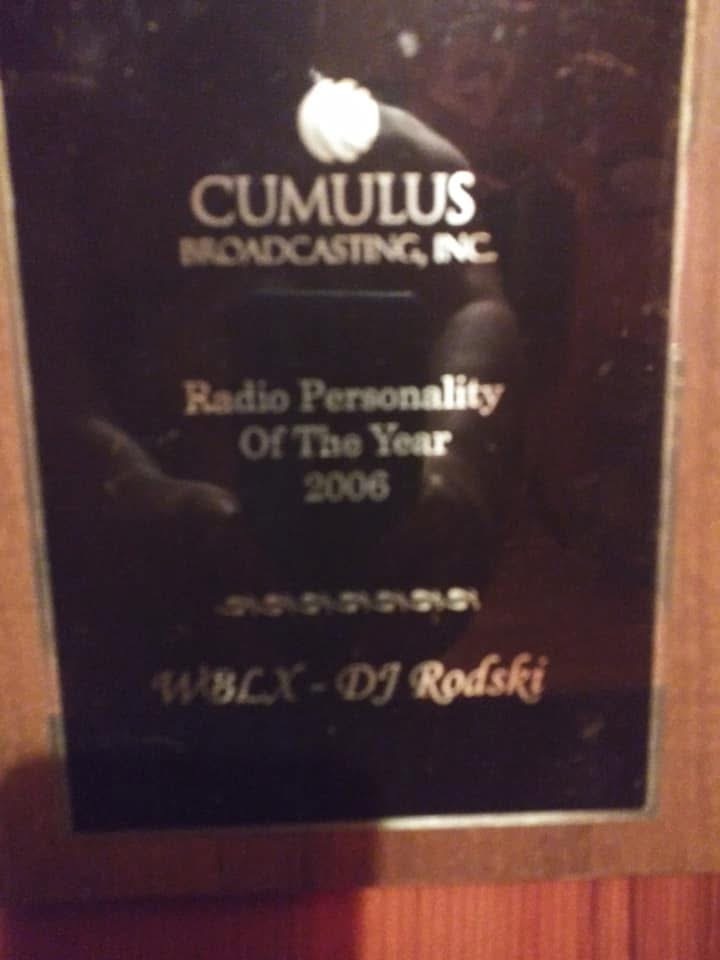
The program director at the time, Tony Brown, reached out and invited me to DJ at 93 WBLX on weekends, when I was about 13 or 14 years old. Back then, radio DJ work required real hands-on technical skill: live mixing, splicing, and learning the mechanics of broadcasting. That was my real introduction to radio, and once I got started, I was hooked. Heeding the opportunity, I moved from being someone who loved the music to someone who lived inside the microphone and the booth.
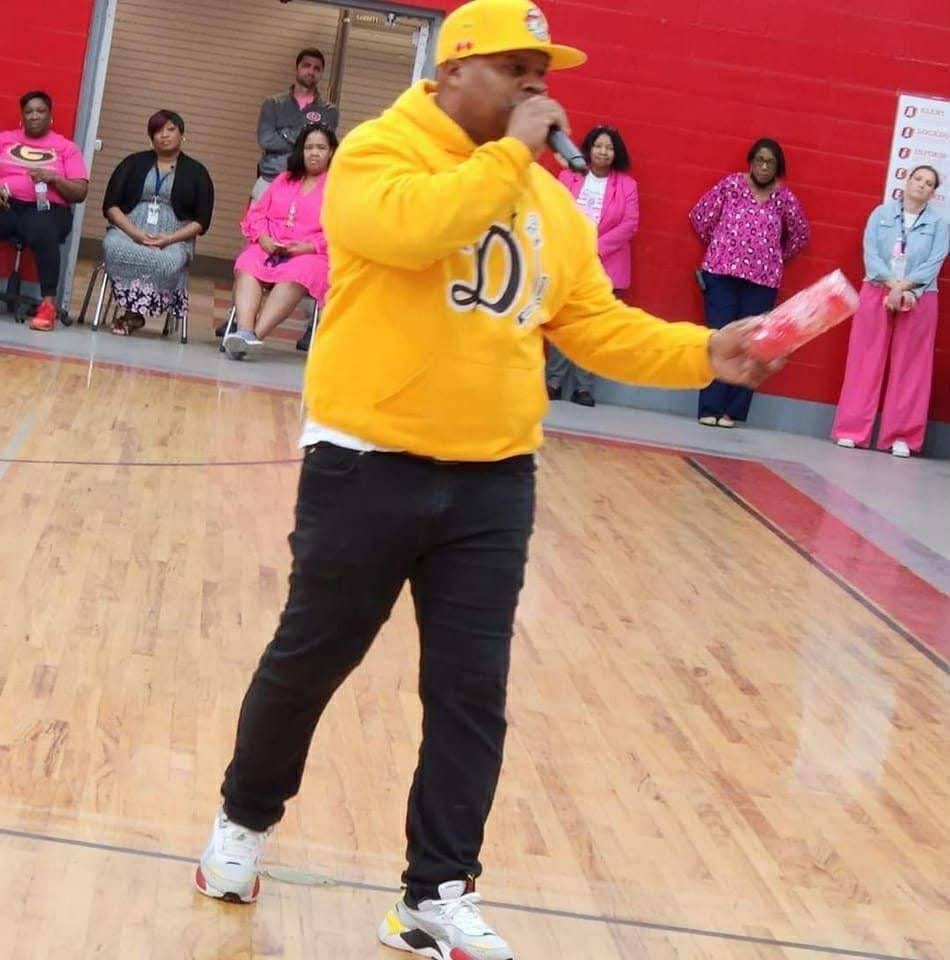
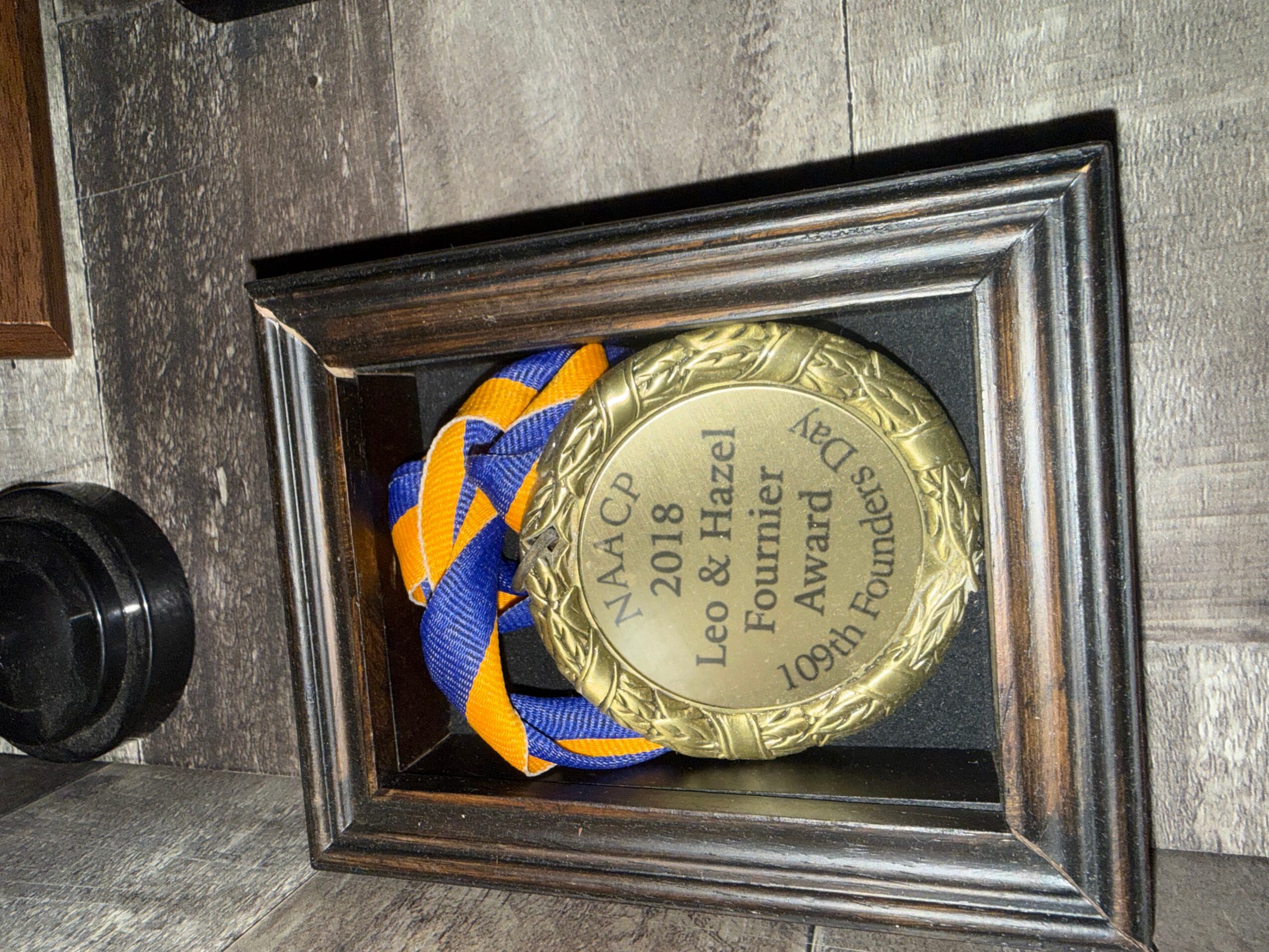
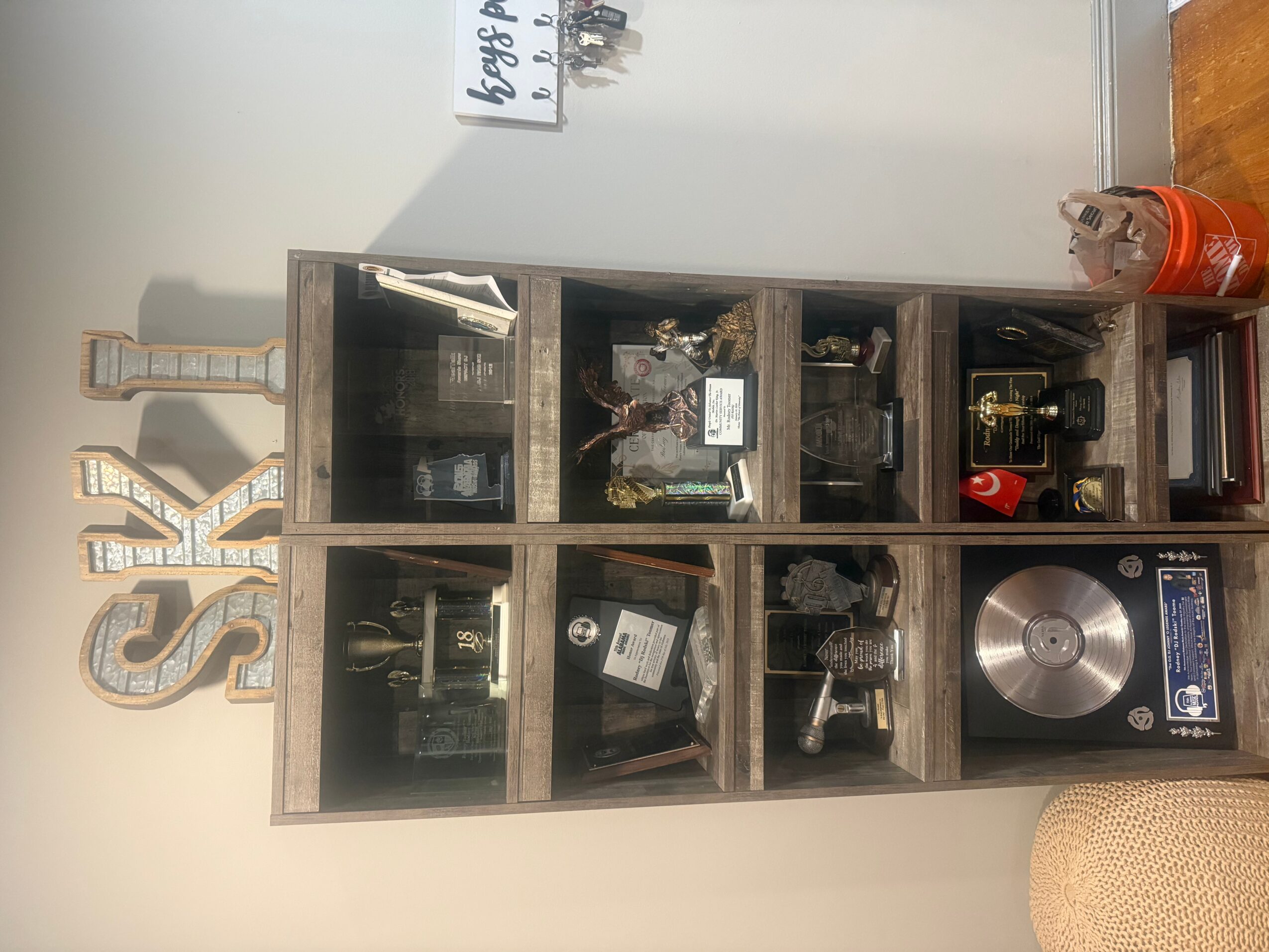
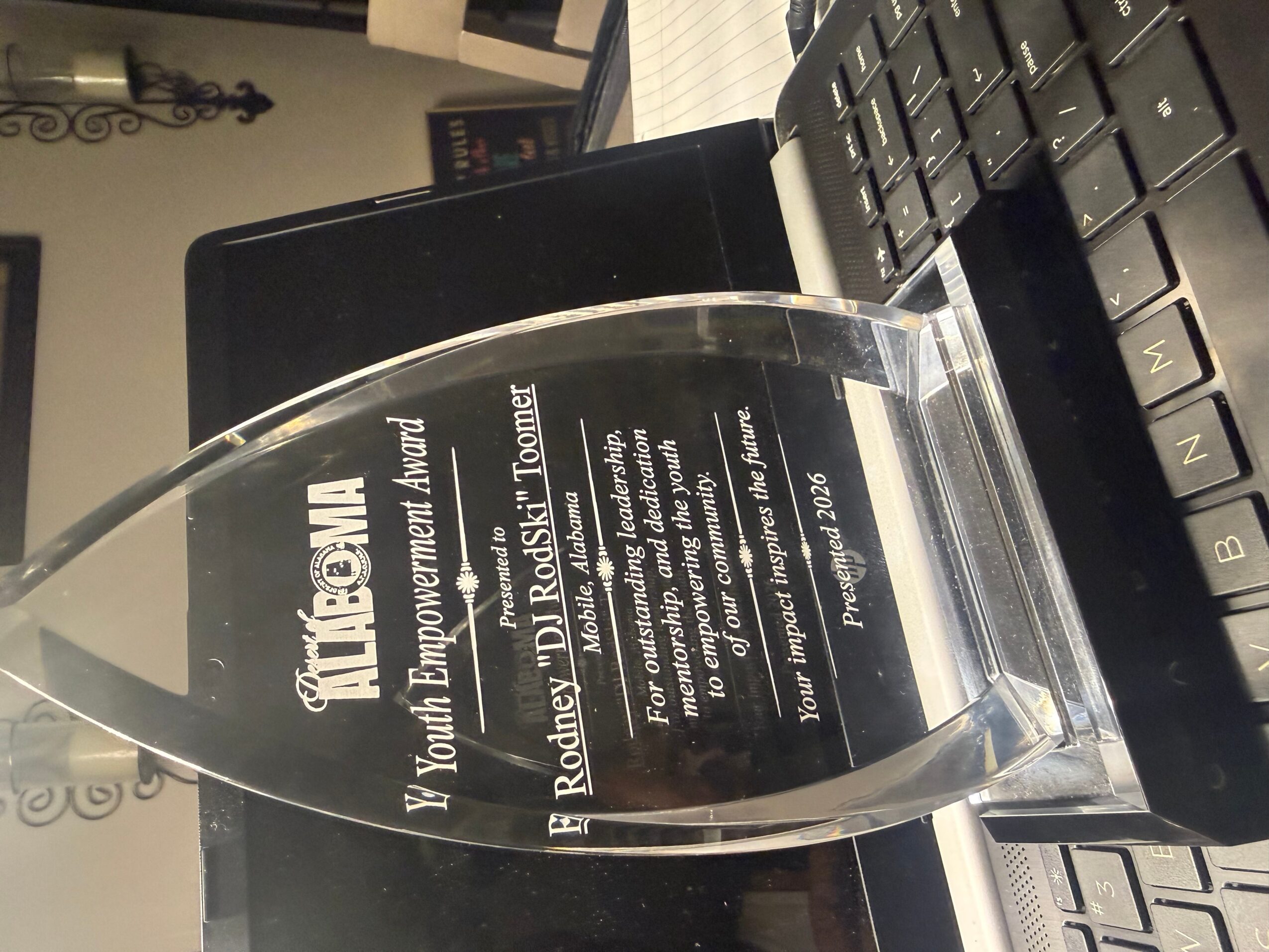
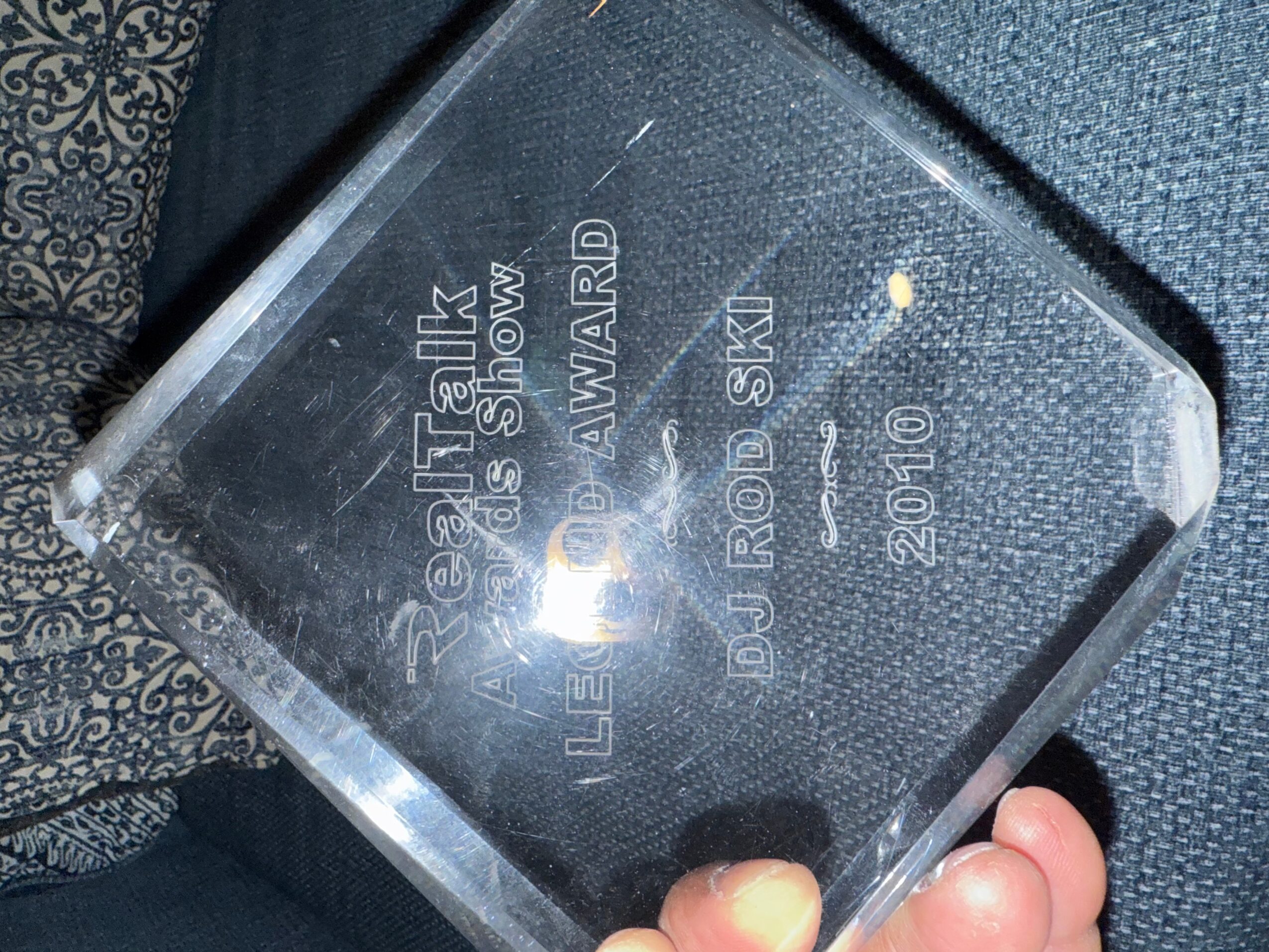
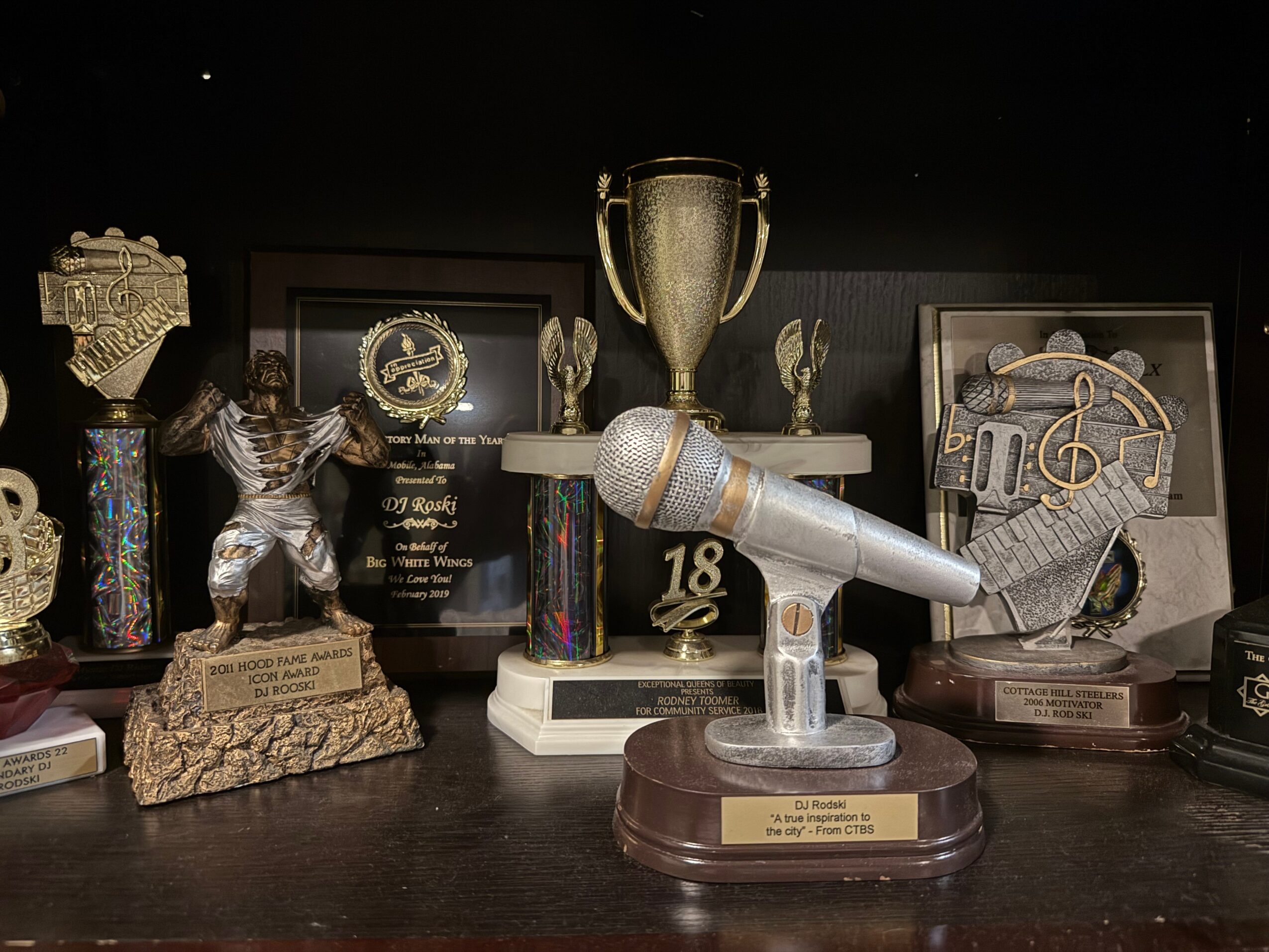
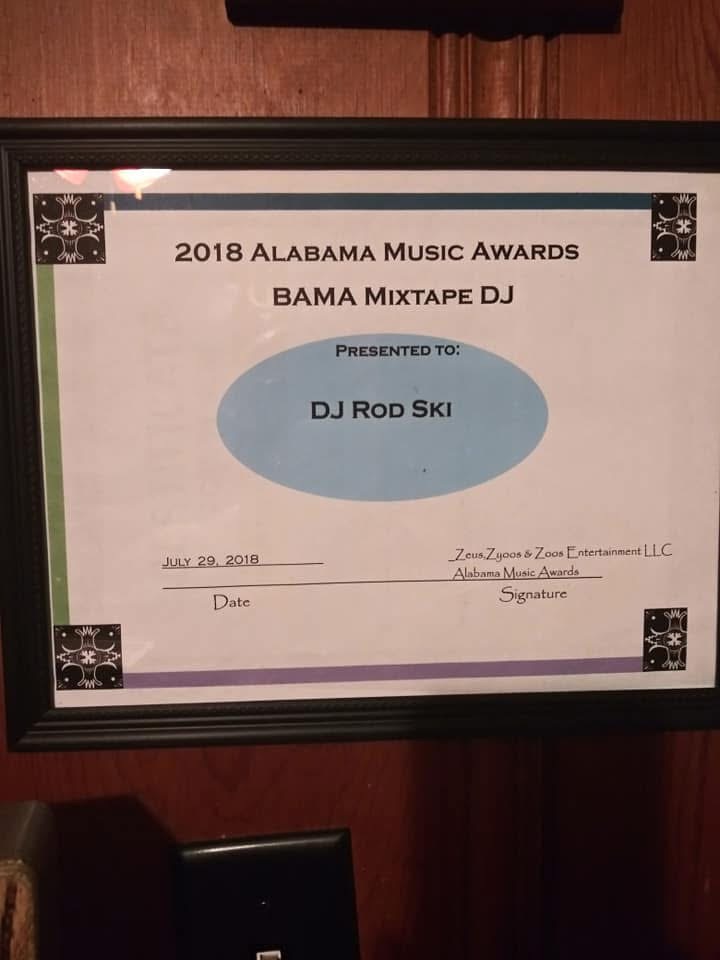
Over the years, Dj Rodski built a long career in radio. After many years at 93 WBLX, he continued his work in broadcasting and is currently a show DJ at 107.3 iHeart. Throughout all those changes, his commitment to community never faded. Coming from a household where domestic violence was present—where he watched his mother get beaten—left an impact that turned into purpose. As an adult, mentoring young people became a central part of his life. He supports youth who are dealing with trouble, using his platform to guide them toward better decisions and a stronger future.
In short, his story is the intersection of music and lived experience—hip-hop roots in New York, early challenges with racism in Alabama, a breakthrough in radio through DJ battles, and a lasting drive to mentor and serve his community.
Would you say it’s been a smooth road, and if not what are some of the biggest challenges you’ve faced along the way?
Absolutely not, being from another state and up north at that I had to learn the culture and the music all over again. Also the racial bias and oppressive narrative of the south
Thanks – so what else should our readers know about your work and what you’re currently focused on?
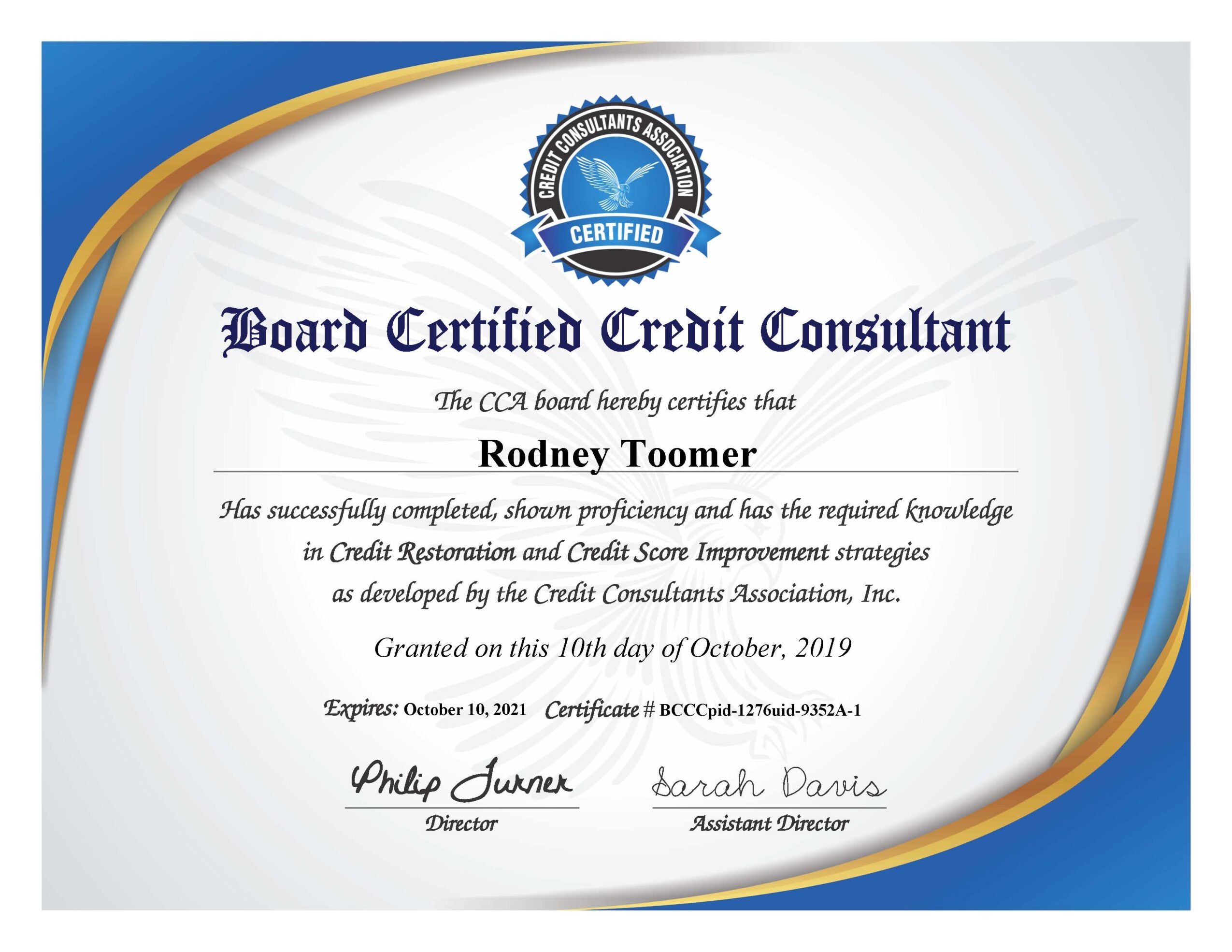
I am the Program Director for “Opportunities4Entertainers a 13 year Non-Profit that teaches and promotes the arts; music, dance, performing etc also am a Chef and a Detention Officer at a Youth Corrections Facility. I started working there because I wanted to know why young people continue to re-offend and get involved in the gun culture that are killing many of their peers I also write curriculum and teach Credit literacy to Highschool seniors and have created several solution based curriculum for youth violence prevention. I’m proud of the work I do mentoring young black men and boys when you change a young persons mindset you save a generation. I believe in walking it not talking it! I despise people who just talk the talk but won’t put in the work.
Is there a quality that you most attribute to your success?
Being able to show young people light at the end of the tunnel and assuring them that if you put in the work you will Mos def benefit from it in the long run. Being the best Example is #1 characteristic that crucial to the success of my work
Contact Info:
- Website: https://djrodski.com/
- Instagram: https://www.instagram.com/djrodski?igsh=MW4xanEwMDBpZmp4cA==
- Facebook: https://www.facebook.com/share/1Bo1NBRopi/?mibextid=wwXIfr
- Youtube: https://youtube.com/@thedjrodski?si=65nAIarFv38dKOZ0