Today we’d like to introduce you to Jason Smith.
Hi Jason, we’d love for you to start by introducing yourself.
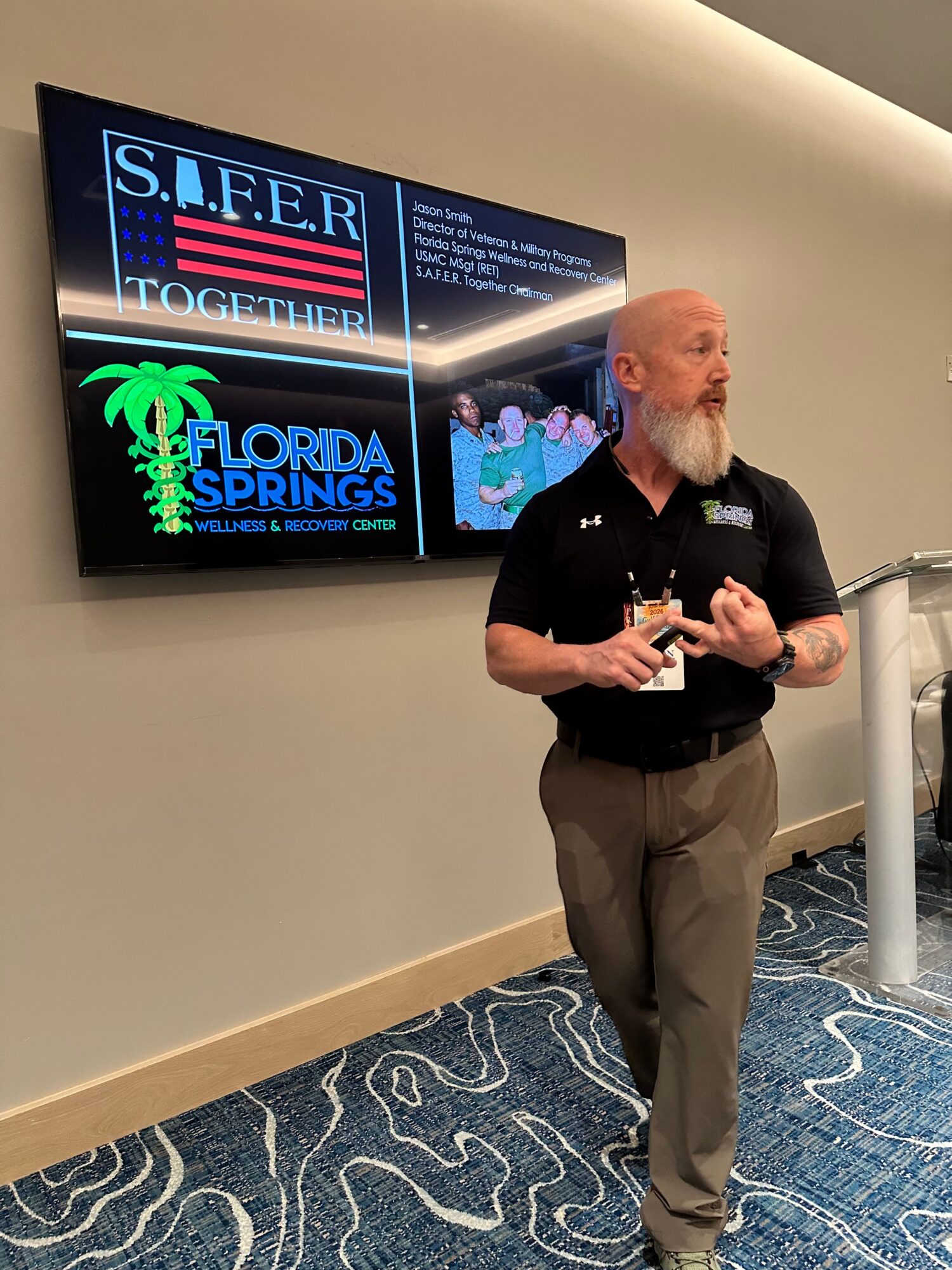
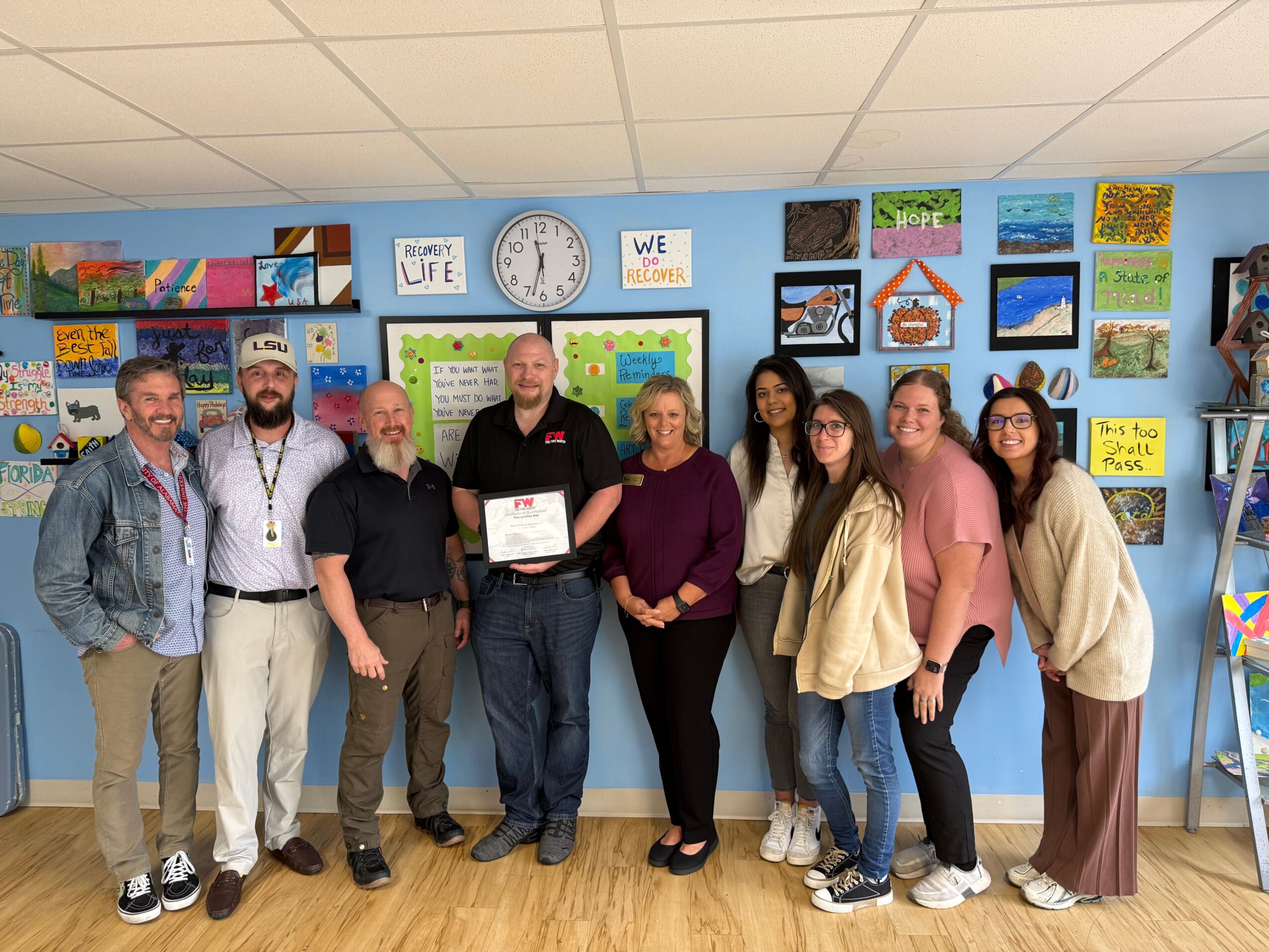
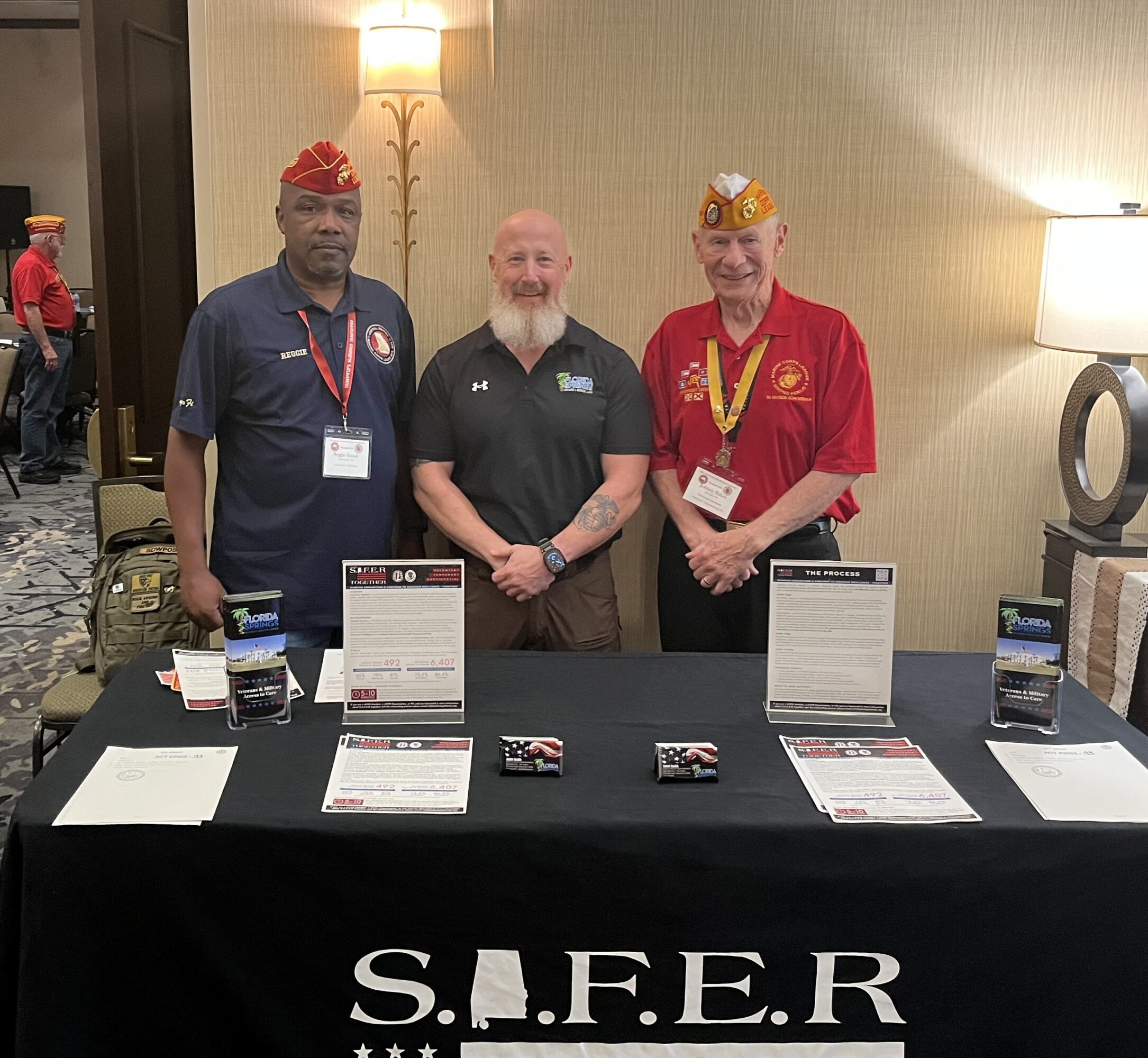
I joined the U.S. Marines in July of 1995 and retired in August of 2015 with twenty years of honorable service, including deployments across East Asia, South Asia, and the Middle East. I currently serve as the Director of Business Development & Veterans Programs for Florida Springs Wellness & Recovery Center in Panama City, Florida. I also serve as the chair of a lethal means safety initiative in Alabama called S.A.F.E.R. Together, which stands for storing ammunition and firearms to enhance resilience, and a co-chair for the Wiregrass Military, Veteran, and First Responders Coalition in southeast Alabama.
After retiring from the Marine Corps in 2015, I returned home to Alabama and began the difficult transition into civilian life. Like many veterans, I faced the compounded weight of loss of identity and purpose, grief, and mental health challenges. My struggle with alcohol became a turning point, and on August 17, 2017, I entered a veteran‑specific addiction recovery program, an experience that reshaped my life and purpose.
I have been in long‑term recovery ever since. Sobriety gave me purpose, and I started helping service members and veterans navigate the same battles I once faced. I earned a Master of Science in Human Resource Management from Troy University, pursued graduate studies in Military Resilience, and became a Certified Peer Recovery Support Specialist in both Alabama and Tennessee. My lived experience, combined with professional training, allows me to meet veterans where they are with authenticity, empathy, and cultural competence.
I have also served the military community in multiple roles, including Veteran & Military Business Development Manager for Bradford Health Services, the very organization that supported my own recovery, and as the Resilience, Risk Reduction, and Suicide Prevention Program Manager for the Alabama National Guard.
I’m sure it wasn’t obstacle-free, but would you say the journey has been fairly smooth so far?
Initially, the biggest obstacles after the military were the stigma of asking for help, the struggle with alcohol, and the transition to civilian life. These 3 obstacles caused challenges in my relationships at home, at work, and in my mind. It fueled my anger, which created more shame and guilt. The shame and guilt caused more isolation and more self-medication. It’s a cycle, something I couldn’t break without some help. Plus, I felt as if there was some level of expectation that I was supposed to be performing at, which made the civilian experience a struggle. There is a different mindset in the military, and depending on which branch you served in and what units and for how long, it can be extremely challenging working with others, so my high expectations around my civilian counterparts were causing major disappointment. Yes, this is a real thing. Ask any veteran during their first corporate meeting, as coworkers are showing up late for the meeting or right on time. Bottom line, I was standing at a crossroad. I knew I needed help, so I went through a 30-day program for substance use, started working the AA steps, attended meetings, lowered my expectations just a tad, and volunteered with multiple veteran organizations. This journey helped shape my purpose to where I am today. The next biggest struggle since sobriety has been losing 9 of my Marines to suicide and several to overdose and so-called “accidents. This epidemic is not improving, and the systems in place don’t seem to be making a meaningful impact to reduce those numbers. Don’t get me wrong, there are numerous 501 (c) (3)s, private organizations, and some amazing people in the healthcare industry and nonprofits trying to make a difference. It’s just frustrating when you continue to get those phone calls from your friends telling you another friend has checked out or another veteran is waiting on a referral to get treatment or mental health services. Just in the past 2 months, I have lost a couple of great Marines I served with, 1 Marine to suicide and another one to overdose.
Can you tell our readers more about what you do and what you think sets you apart from others?
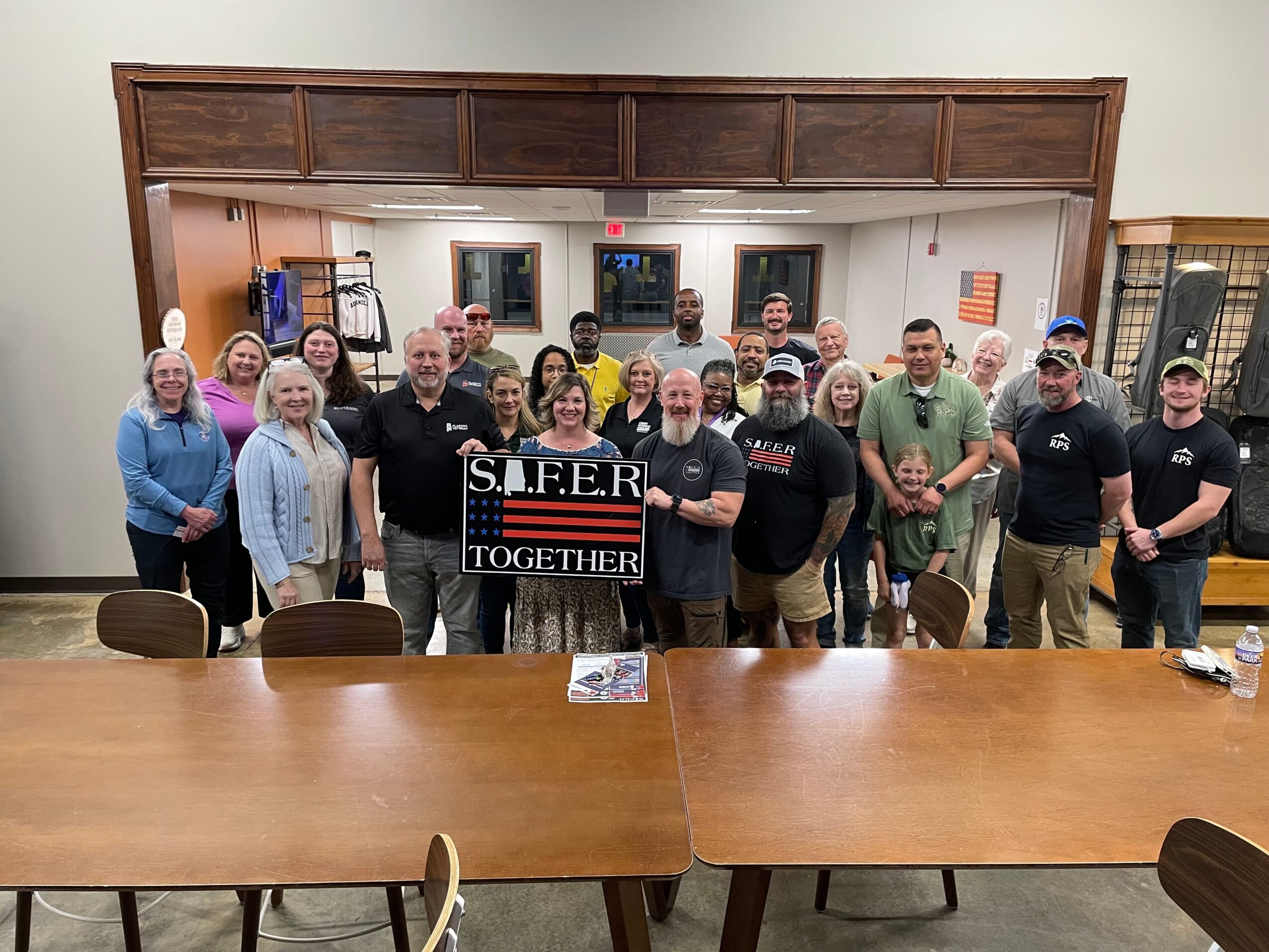
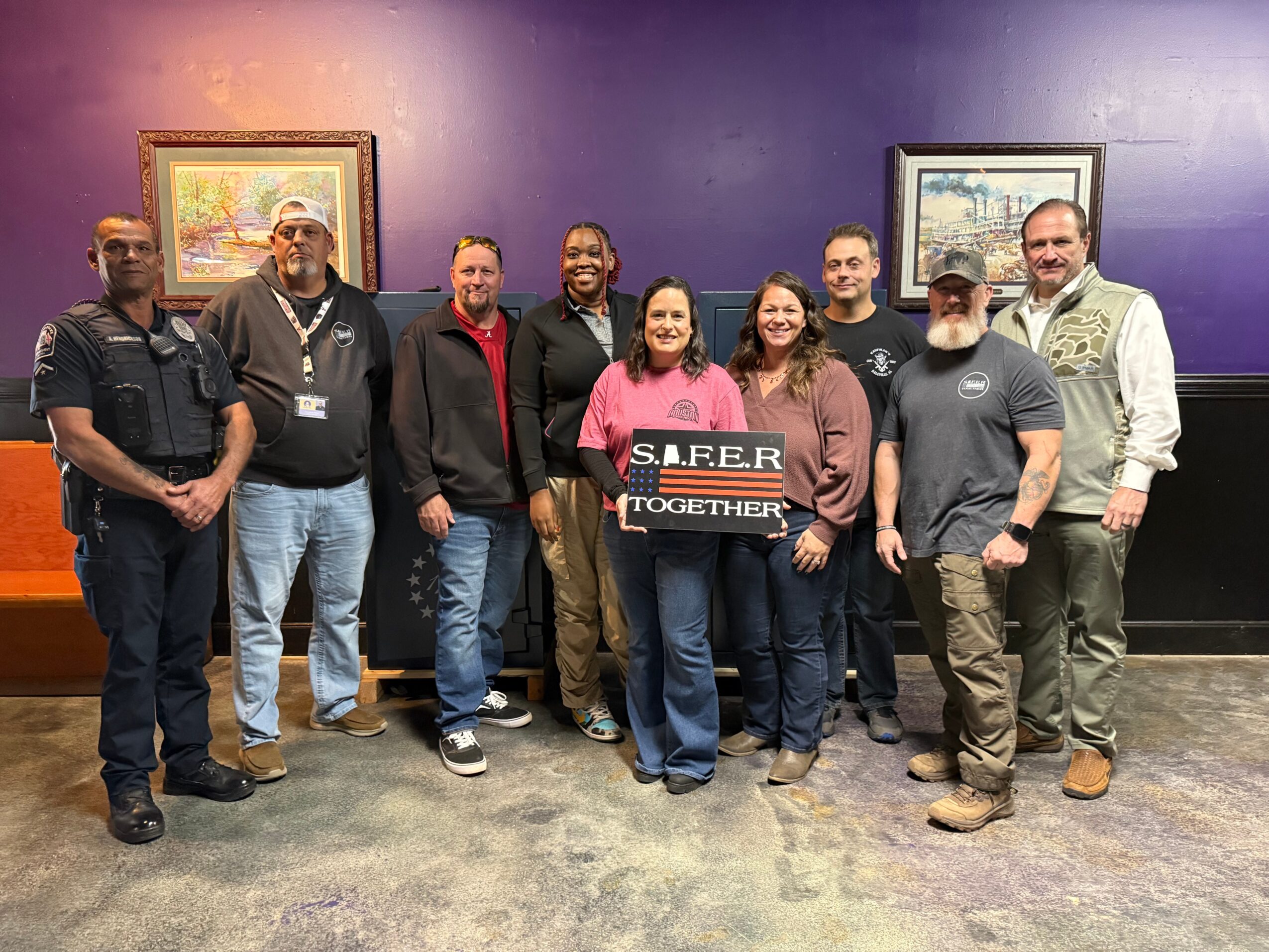
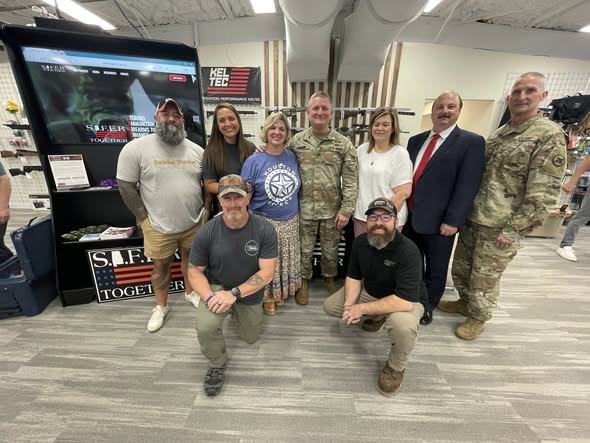
I would have to say I am proud of all my accomplishments, especially my 28-year marriage, 2 wonderful kids, grandbaby, my service to this country, and helping those struggling with the demons. What I am most proud of, from a professional standpoint, is our lethal means safety initiative, S.A.F.E.R. Together, in Alabama. A grassroots effort to reduce suicides in the Military, Veteran, and First Responder (MVFR) community. I teamed up with Kelli Arthur from the Birmingham VA and Ty Oswald from Bearded Warriors, and we built a coalition with multiple MVFR organizations from across the state to develop the framework for S.A.F.E.R. We also developed legislation that passed in April of 2025 to protect Federal Firearms Licensees (FFLs), which provides liability protection for FFLs who participate in the program. We named the legislation the Houston Hunter Act after Houston Tumlin, an Army Veteran and child actor from Talladega Nights, and Hunter Whitley, a Marine Corps Veteran and student at the University of Alabama. Both their mom’s, Michelle Tumlin and Sharon McDaniel, two mothers of veterans lost to suicide, advocated for the bill on the Alabama Senate and House floors to help push a bill that would establish a new temporary, confidential, secure, and voluntary firearm surrender program for not only MVFR but anyone in need. At its core, it was designed to protect our 2nd Amendment and remove barriers to help while connecting them to peer support. Most of us, including myself, would forego our mental health care over fear of losing our 2nd Amendment Rights. That should not be a barrier. This act is not associated with any “red flag” laws or “gun grab” legislation. In the 2025 Alabama legislative session, the NRA maintained a neutral vote as the bill did not infringe on 2nd Amendment Rights. S.A.F.E.R Together is dedicated to protecting both the MVFR & FFLs that participate in the program. Operation S.A.F.E.R. Together is a voluntary, temporary, confidential, and secure process that operates under the framework provided by Alabama SB 40 (the Houston Hunter Act), the 24 July 2023 ATF/DOJ Open Letter to all FFLs, and a confidential hold harmless agreement between the firearm owner and the FFL.
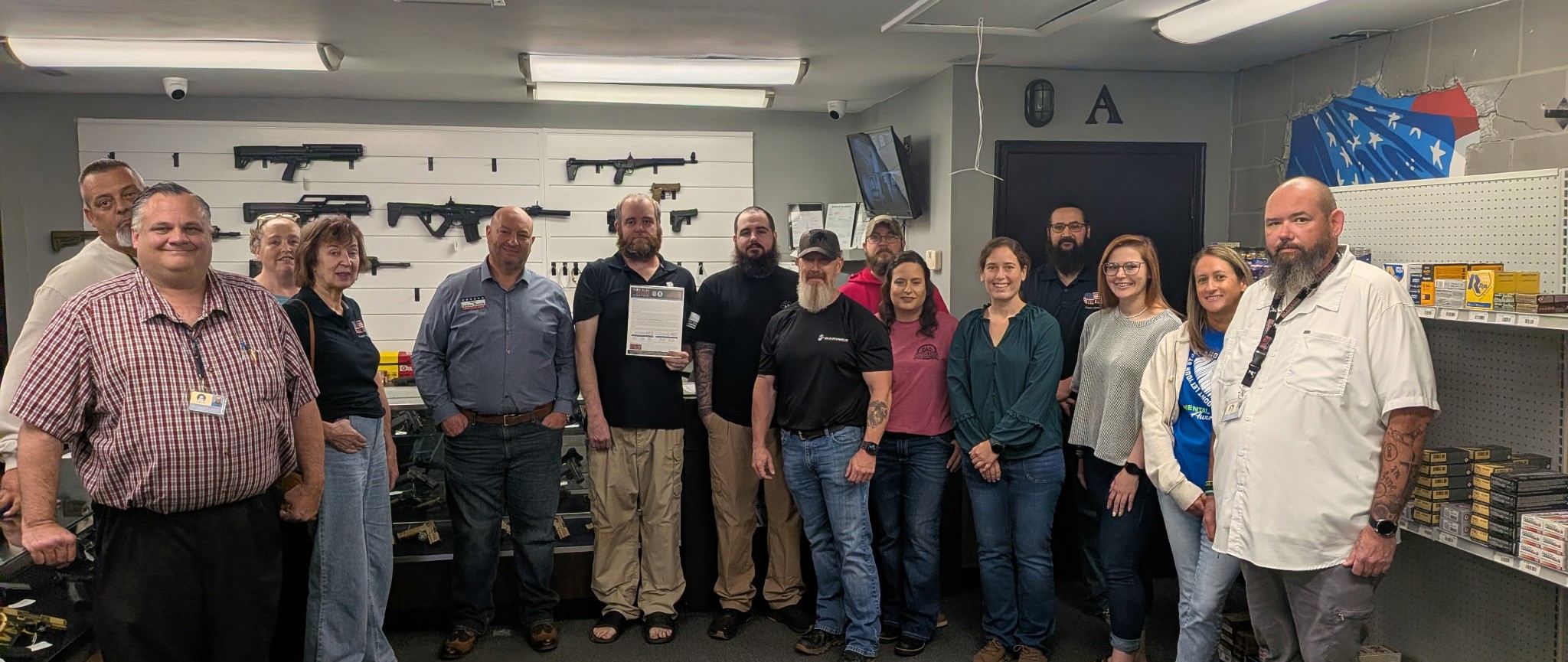
The center of gravity for this project is the peer support component, which stands ready to assist the individual to the next level of care once they voluntarily put their firearms in the safe. Peers are those who have been in the fighting hole, dealt with all the issues, and have come out on the other side with the purpose to serve others. This is the cornerstone of the project. Since the law came into effect in June of 2025, we have assisted 5 service members/veterans and 1 civilian with safe storage and peer support. To date, we have installed 25 safes in 10 gun shops in 8 counties across the state of Alabama, from Huntsville to Dothan.
Alright so before we go can you talk to us a bit about how people can work with you, collaborate with you or support you?
Anyone interested in S.A.F.ER. Together or addiction treatment can reach me at jason@flasprings.com or williamjsmith95@gmail.com. We would be glad to collaborate or assist in any way we can. We also have several coalitions in Alabama that I am sure would like to connect with others doing this same work across the country.
If you would like to support S.A.F.E.R Together, visit our website and contact us directly: https://www.safertogetheral.org/
Contact Info:
- Website: https://www.safertogetheral.org/ and for addiction treatment https://www.flasprings.com/operation-zero-trace/
- Facebook: https://www.facebook.com/SAFERTogetherAL