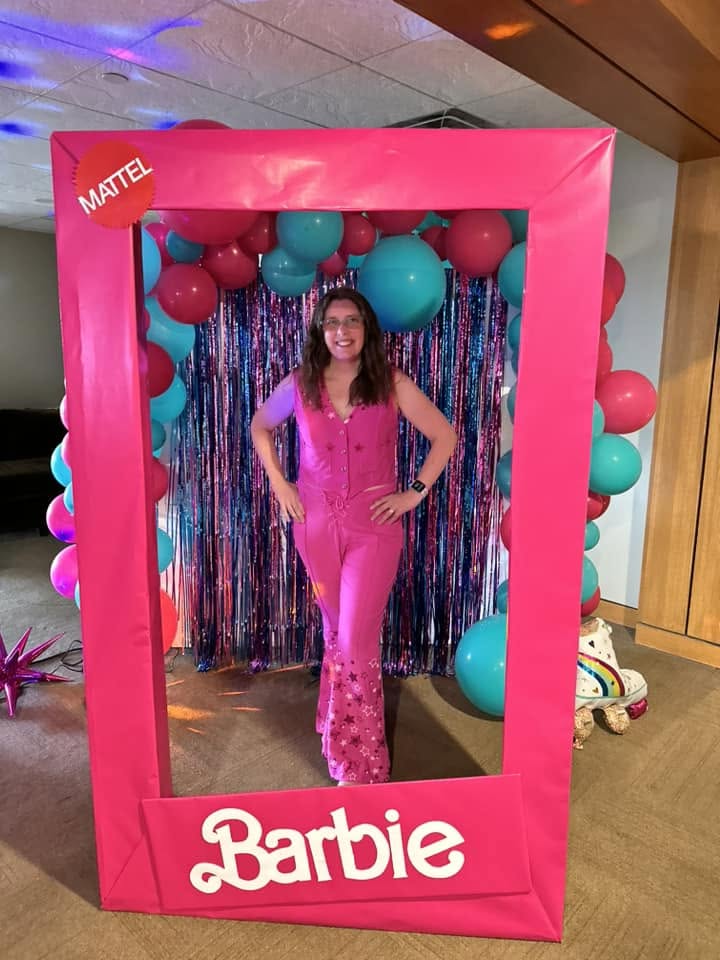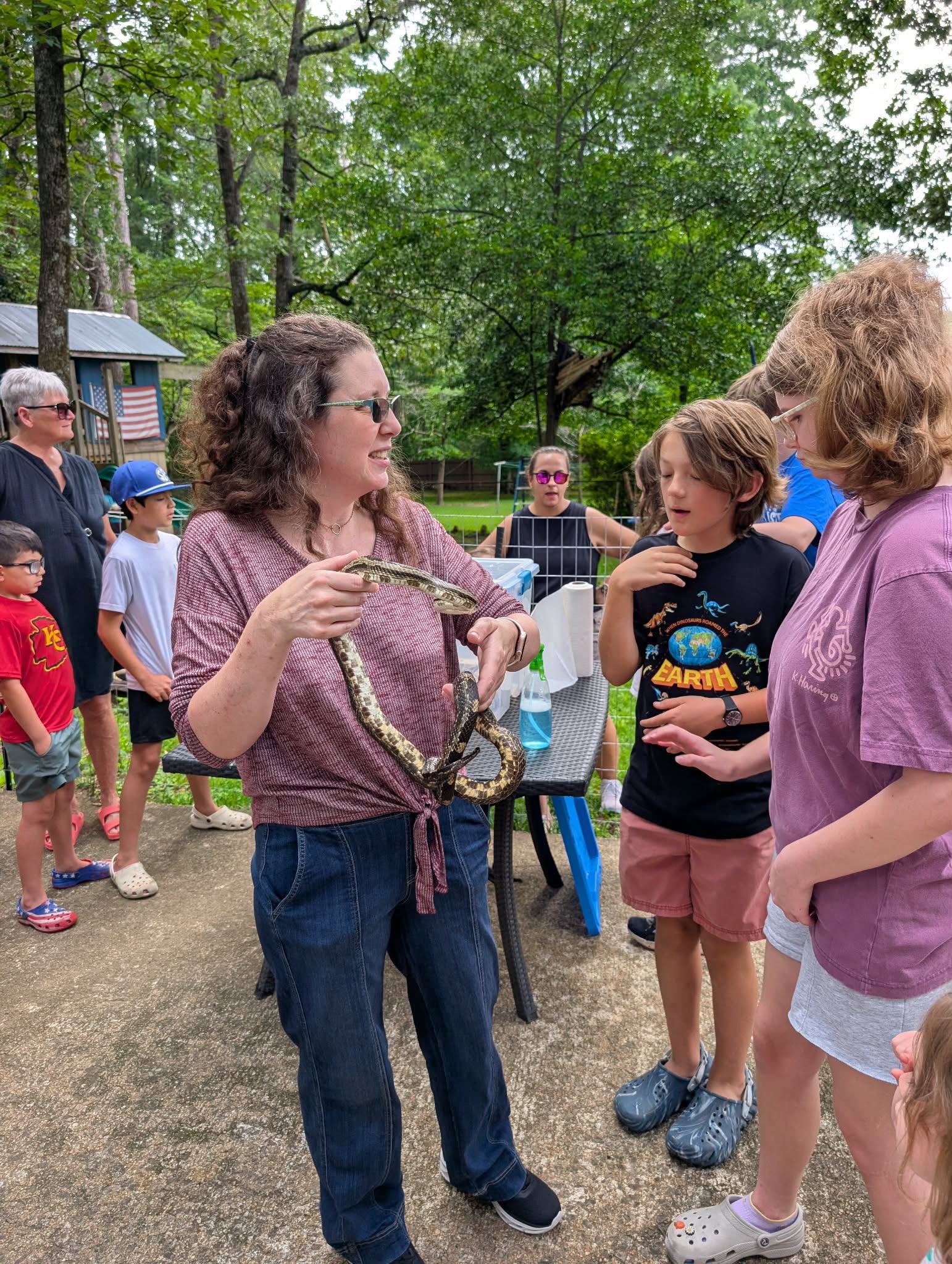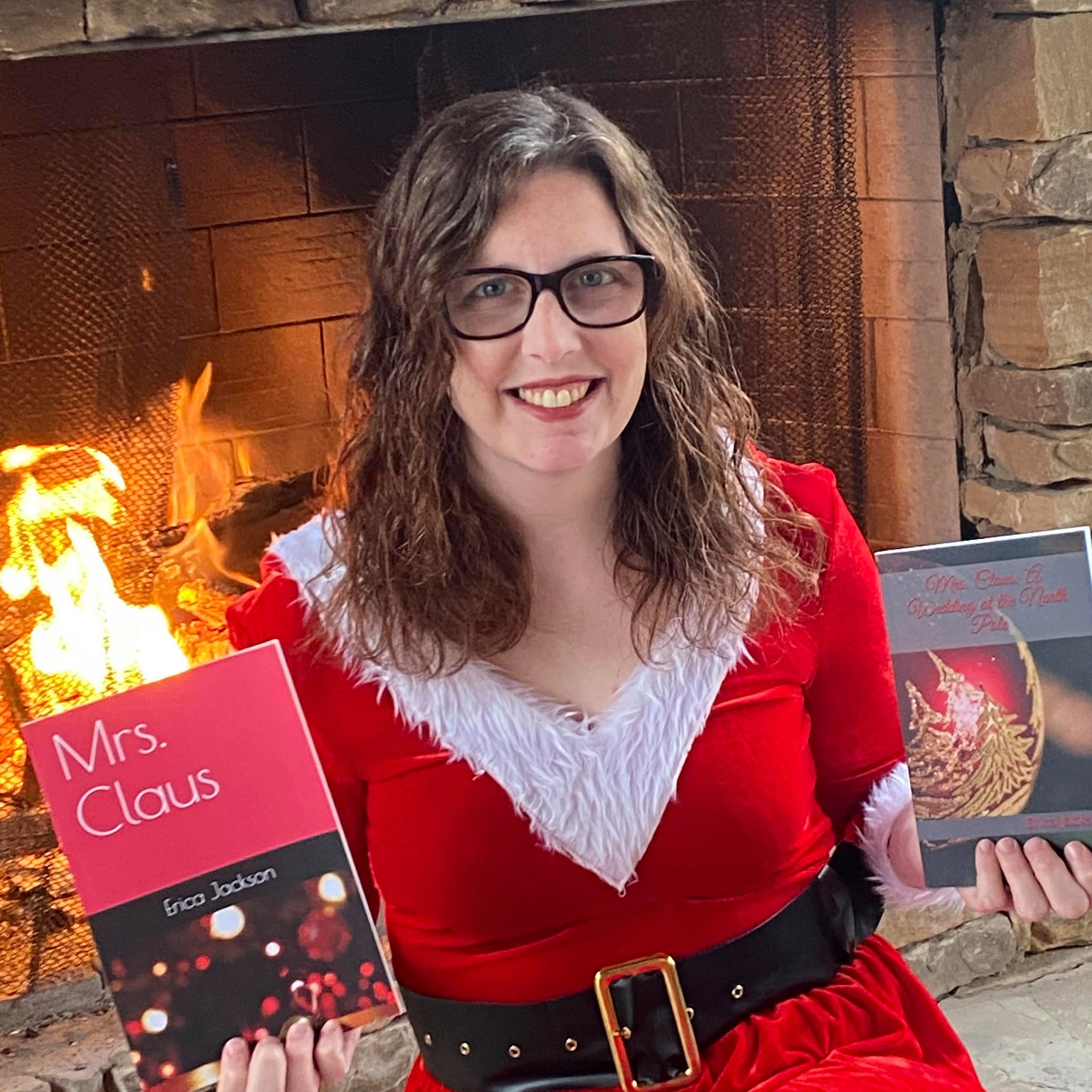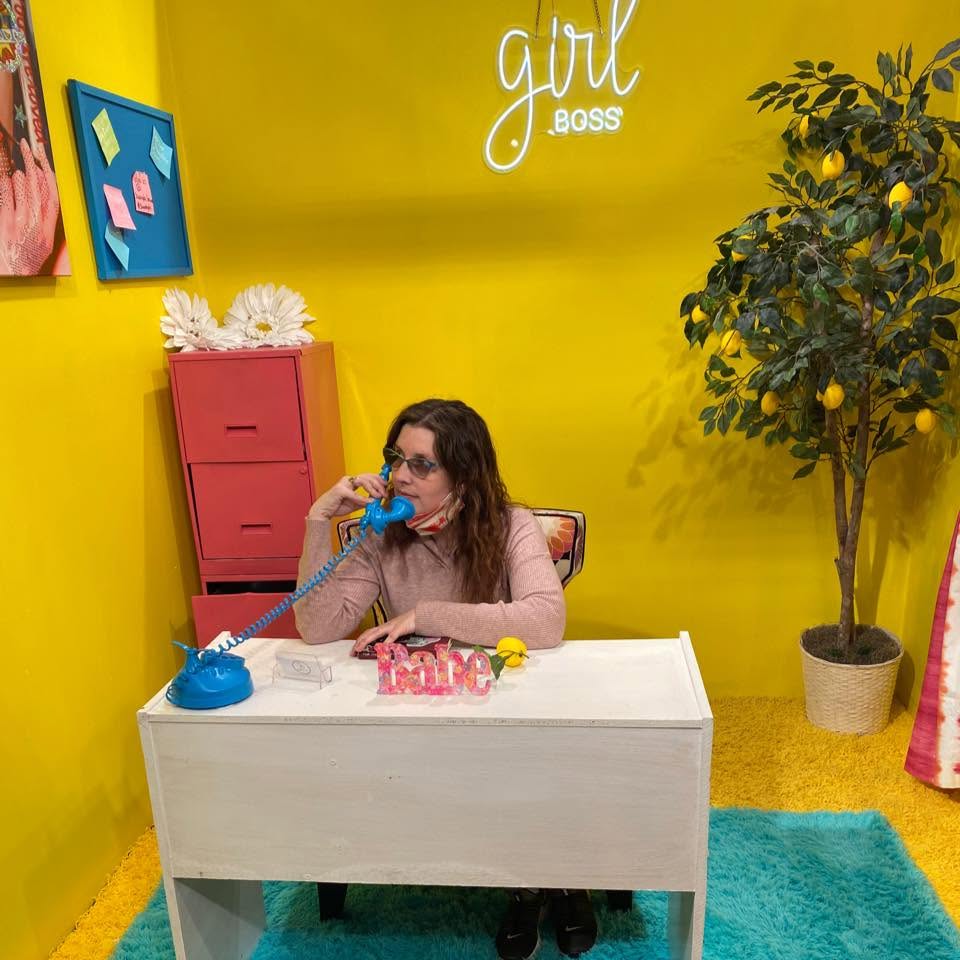
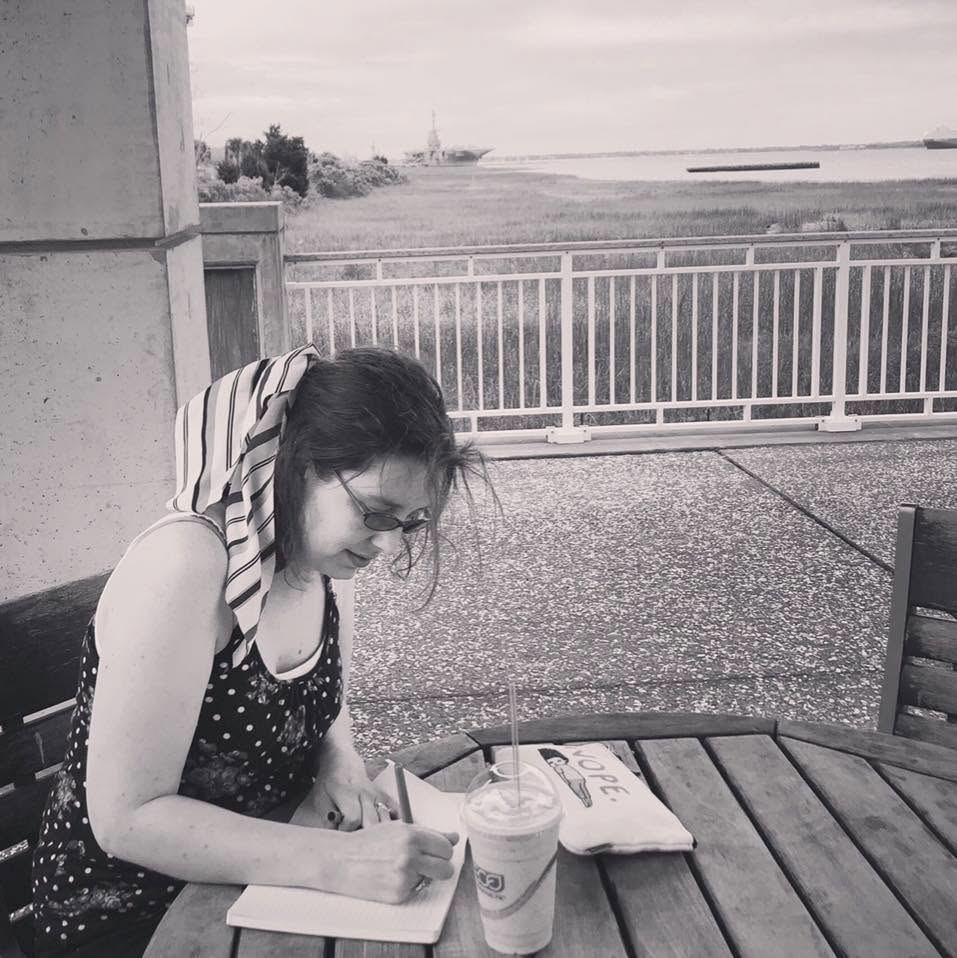
Today we’d like to introduce you to Erica Farris.
Hi Erica, please kick things off for us with an introduction to yourself and your story.
I’ve always been a storyteller. I have a degree in Communications, and writing was probably my first real creative love, but my career has definitely not followed a straight line. I’ve worked in different roles and industries over the years, and somehow all those random experiences eventually started fitting together.
Somewhere along the way, I realized that one of the things I’m really good at is figuring out how to make people pay attention—and, more importantly, how to make them care. That naturally pulled me toward freelance marketing and creative work, where I get to combine writing, branding, design, social media, video, and whatever slightly ridiculous idea has popped into my head that day. Sometimes those are the ideas that work best.
I especially love working with businesses and organizations that have a great story but aren’t quite sure how to tell it yet. Give me the pieces and let me figure out how they fit together—that’s my favorite kind of project.
These days, my work is kind of a creative patchwork quilt. I write, do freelance marketing and content creation, work on branding and social media campaigns, help promote events and nonprofit causes, and occasionally find myself learning an entirely new skill because I said, “Oh, I can probably figure that out.” That sentence has gotten me into a lot of things.
I don’t think there was ever one big moment where I suddenly thought, “Okay, this is my career now.” It’s been a lot of following my curiosity, saying yes to things that interested me, figuring things out as I went, and slowly learning to trust my own creativity.
I’m still not completely sure where all of it leads, and I think I’ve finally reached the point where I’m okay with that. I just want to keep creating things that make people look, make people feel something, and hopefully, make people care.
We all face challenges, but looking back would you describe it as a relatively smooth road?
Definitely not—and I’m not sure I’d trust anyone who says theirs has been.
I think one of my biggest struggles has been learning to trust myself. For a long time, I was much more comfortable being the person behind the scenes. I could see potential in other people’s ideas, businesses and projects immediately, but recognizing the same value in my own work was a lot harder.
Life has also thrown its share of curveballs. I’ve had seasons where family, relationships, parenting and just getting through everyday life had to take priority over whatever career plan I thought I was supposed to be following. There have been starts and stops, changes in direction, things that didn’t work out, and plenty of moments when I wondered what exactly I was doing with my life.
For a while, I saw that as evidence that I was behind. Now I think a lot of it is actually what made me good at what I do. I’ve had to become adaptable. I’ve learned how to read a room, find the story underneath the obvious one, connect with very different kinds of people, and figure things out when there isn’t an instruction manual.
The other challenge has been giving myself permission to actually call myself a creative. That sounds silly because I’ve been writing and creating things forever, but there’s a vulnerability in putting something you made out into the world and saying, “Yep, this came from me.” I’m still working on that one.
I’m finally getting better at letting things be a little imperfect, putting them out there anyway, and caring less about whether everyone understands what I’m doing. I think some of the best things I’ve created have happened since I stopped trying so hard to fit myself into whatever I thought a successful career—or a successful person—was supposed to look like.
Alright, so let’s switch gears a bit and talk business. What should we know about your work?
My work lives somewhere in the intersection of marketing, writing, storytelling and creative strategy—which is a fancy way of saying I do a little bit of everything.
I work with businesses and organizations on branding, social media, content creation, campaigns, events and the overall way they communicate with their audience. Sometimes that means writing copy or designing a campaign from scratch. Sometimes it’s taking an existing idea and figuring out why it isn’t quite connecting. And sometimes someone gives me a very vague “We need to promote this” and I get to turn it into an entire personality, which might be my favorite.
I think what I specialize in most is finding the human part of marketing. I’m not particularly interested in creating content just because an algorithm says we should post something today. I want to know who we’re talking to, what will make them stop scrolling, what will make them laugh or feel something, and ultimately what will make them care.
I’m especially proud of the work I’ve done with nonprofit organizations. There’s something incredibly rewarding about using the same creative skills I use professionally to help tell stories that can actually make a difference for people. I’ve worked on fundraising campaigns, events, sponsorships and community outreach, and seeing creative work translate into real support is pretty hard to beat.
What probably sets me apart is that I don’t have one creative box I stay in. I can write the copy, think through the strategy, build the visual concept, create the content and then completely change direction when something isn’t working. I’m also endlessly curious, so if I don’t know how to do something, my first instinct is usually, “Well, I can probably figure it out.” Occasionally this results in me learning an entirely new program at 11 p.m., but so far it’s worked out pretty well.
At the end of the day, I want the things I create to feel like they were made by an actual person for actual people. There’s so much content competing for our attention now that technically perfect isn’t enough. I’d rather make something memorable, genuine and maybe a little unexpected.
What has been the most important lesson you’ve learned along your journey?
The most important lesson I’ve learned is probably that you don’t have to feel completely ready before you start.
I used to think confidence came first—that eventually I’d know enough, have enough experience or feel certain enough to say, “Okay, now I’m qualified to do this.” I’ve learned that it usually works the other way around. You say yes, you start, you make some mistakes, you figure things out, and somewhere in that process you realize you actually knew more than you gave yourself credit for.
I’ve also learned that there’s a difference between being good at something and trusting that you’re good at it. That second part has taken me much longer.
Some of the opportunities and projects I’m proudest of started with me thinking, “I have absolutely no idea how to do this…but I bet I can figure it out.” And then I did. Not always perfectly, and definitely not always gracefully, but I did.
I think I spent a lot of years waiting for permission—to call myself a writer, to call myself creative, to take my own ideas seriously, or even just to do things differently than other people expected me to. The older I get, the more I realize nobody was ever going to show up and hand me that permission slip.
So I’m learning to give it to myself.
Contact Info:
- Facebook: https://www.facebook.com/erica.farris.311
- Twitter: https://x.com/EricaC318
- Youtube: https://www.youtube.com/@EricaFarris311