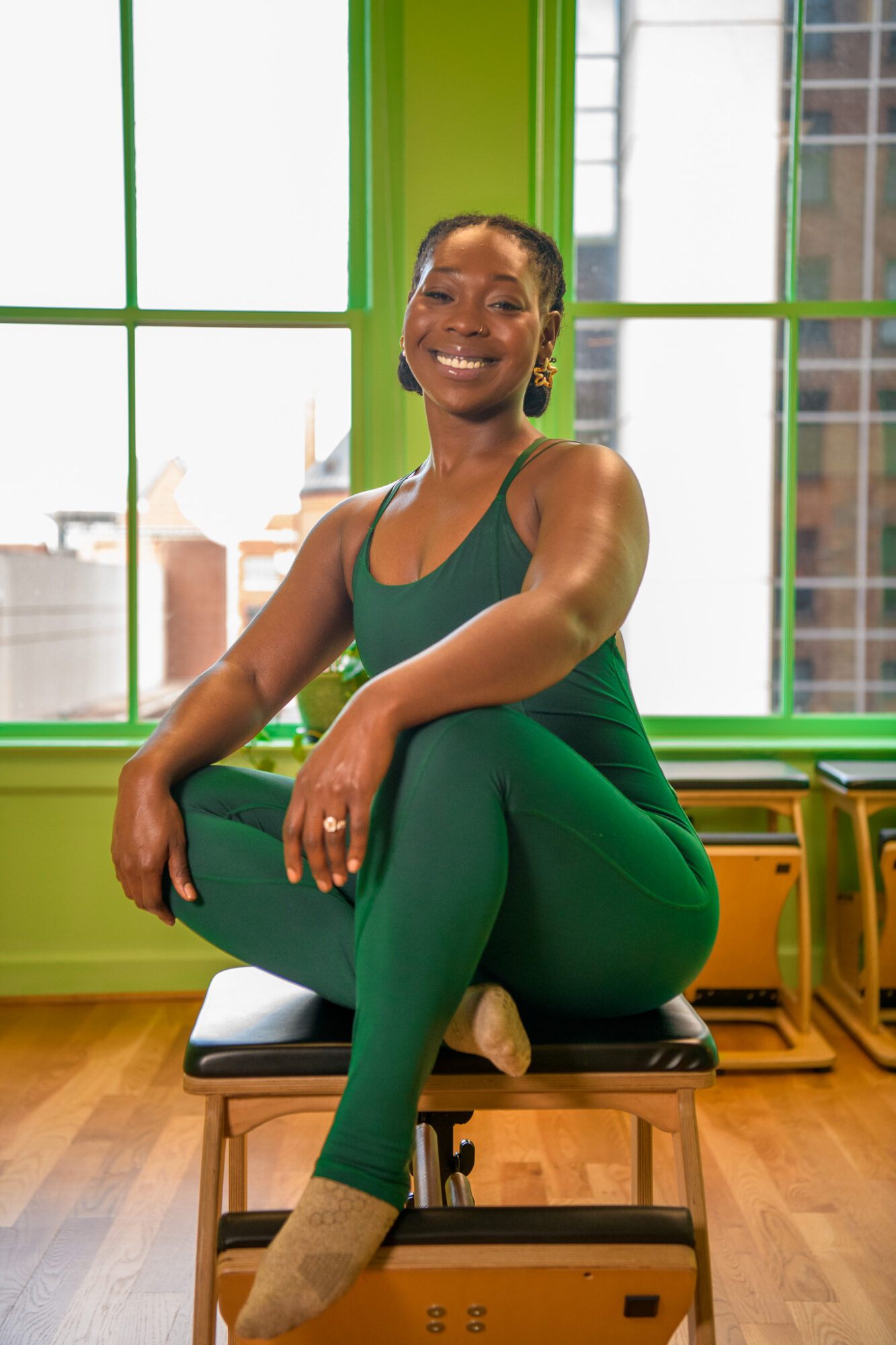
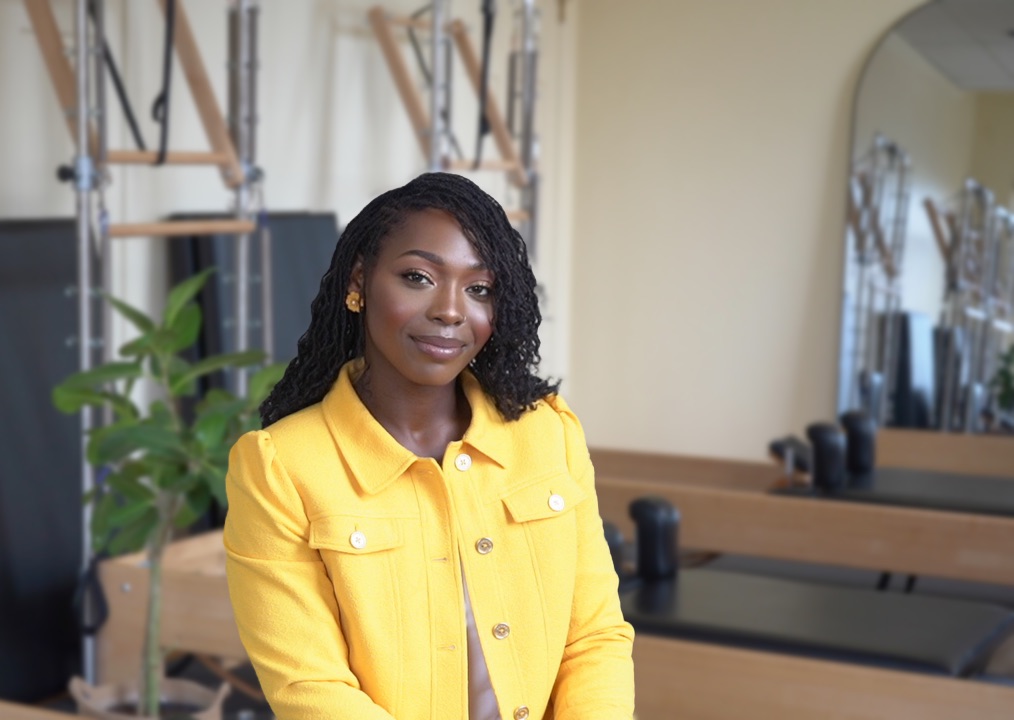
Today we’d like to introduce you to Kenyele Harrison.
Alright, so thank you so much for sharing your story and insight with our readers. To kick things off, can you tell us a bit about how you got started?
It was 2022, and I was burnt out from corporate life after only three years in it. I had to decide “do I dare brave writing another cover letter to send in an application or do I go all in with Pilates and change my life while changing the lives of others?” I decided the latter, but to understand how I got there, you have to go back further.
I came to Birmingham in 2015 for UAB because I knew I wanted to work somewhere in medicine. Even as a child, I’d always been fascinated by the body as a system—how everything connects and works together. I studied psychology at the University of Alabama at Birmingham, which really put everything together: how the body and mind move together, and how much our feelings shape how we live.
While at UAB, I started working in direct patient care as a medical assistant and phlebotomist at a large internal medicine practice, which really helped me see the patient, family, doctor, pharmacist, and insurance loop in a whole new light and I gained a new level of respect for our senior population who are just trying to get well and stay well the best way they know how in an ever changing medical system.
After spending some time in direct patient care and witnessing many gaps just in our local system, I decided to transition out of working with patients on a one-on-one basis and move to corporate healthcare, working behind the scenes to affect positive change in the way paperwork, technology, and guidelines affect the experience of providers and patients on a larger scale. Though the company never stuck, the lessons I’ve been able to carry over to my entrepreneurial career have been invaluable. It’s been the simple things like the importance of a meeting agenda, navigating a business conference, and the all-important “follow-up and follow-through” on everything. But I still felt like a fish out of water and that was the year I quit my job without much of a backup plan and, with the support of my now-husband, took time to explore what I came to Birmingham for anyway: medicine, but my way this time. I asked myself the real questions: who do I want to be, what do I want to stand for, how do I serve?
Then one day I walked into Club Pilates, lay down on that Reformer, and knew: this is where I’m supposed to be. It did everything: a workout focused on optimizing the whole body, no leg day or arm day BODY DAY, a workout anyone can do at any time, and most importantly a workout that makes you settle your mind (mind-body connection). But like a lot of people, I hit a wall—cost. Pilates, like anything, costs money, and it was hard to justify paying that much for my wellness at the time, so I said goodbye to Pilates as quickly as Id said hello. Then, weeks later, I saw a giveaway at Club Pilates that landed me back in the studio and in front of the instructors. One of them told me, “You should teach.” I looked at the price and immediately shut that $5,000 door. But God moves in mysterious ways—and I ended up earning my first Pilates certification completely free. I absorbed everything I could and started teaching.
In between all of this, I took another corporate job. I took it because, back then, I didn’t believe Pilates could be a real career—I still measured success by whether someone else was signing my paycheck. Then I got fired from that job for using my PTO. LOLLOLOLOLOLOLOLOLOLOLOLOL And that firing forced me to test my own theory: can Pilates actually be a sustainable career? Four years after my first certification, and two years fully on my own, with first prize grant money and a whole slew of Pilates classes taught under my belt I can answer that with my whole chest—yes. Pilates can be your full-time career, if you decide who you want to be. So Kenetic Wellness was born,
That’s when I decided “Pilates for Public Health” would be my platform—not just what I teach, but how I speak, how I lead, how I show up in every class.
Would you say it’s been a smooth road, and if not what are some of the biggest challenges you’ve faced along the way?
What I do for Kenetic are is two very distinct things, be my own visionary CEO and most loyal employee. It’s very interesting to dedicate myself fully to working on two paths within my business. On one side, I’m a certified Pilates instructor who teaches people how to actually use their bodies—through private sessions, group classes, and pop-ups all over Birmingham, from the Birmingham Museum of Art to Red Mountain Park to CityWalk BHM. On the other side, I’m a businesswoman making those vital connections and decisions to move Kenetic forward and make this work sustainable—so that “wellness for everybody” isn’t just a nice idea; it’s an actual business that can keep showing up. The teaching is the heart of it, but the entrepreneur in me is what gets it off the mat and out into the world where people can actually reach it. I call all of it Pilates for Public Health, and wherever I’m teaching or talking, the goal’s the same: meet folks where they are and make wellness something everybody can actually reach.
But I really asked for a Nine-to-Five. No shade, not tea, but I wanted a sure thing. a check every two weeks. Bi-weekly if you will.
One the obstacles of building a businsness isaccepting it
I never asked for this. I asked for the opposite. I told the Lord plainly: give me a nine-to-five. Give me an in-and-out. Let me clock in, do good work, clock out, go home.
He said no.
He said, use the brain I gave you to its fullest capacity — because why else would I have given it to you?
So the first obstacle wasn’t a vendor, or a trademark, or a tax form. It was accepting the calling. Entrepreneurship is not for everybody, and it was not something I wanted for this phase of my life. Accepting it took longer than any business decision I’ve made since.
Then: learning how to actually do it
Because I never wanted it, I never prepared for it. I never looked up the skills. I wasn’t reading business books for fun.
But the Lord is comical and all-knowing at the same time. He put me in a corporate setting first — not because that was the destination, but because that’s where I would pick up the tools I’d need later. I was collecting them the whole time and didn’t know it.
Skill number one: cognitive thinking. Just being able to think a thing all the way through. So much of entrepreneurship is exactly that — sitting with a problem long enough to actually see it. Knowing when you’ve reached the end of your own skill set and someone else’s has to come in. Knowing when to keep going and when to fall back.
That’s the whole job. Everything else is downstream of it.
The part where you can’t explain what you do
At the same time I had to decide what kind of Pilates instructor I wanted to be. Pilates started trending right as I started teaching. That was a good thing — suddenly people knew the word.
But the trend carried an expectation with it, and the expectation didn’t match what I wanted to teach. The internet’s version of Pilates is one thing. What I wanted to present is functional Pilates.
Because that’s what it was created for. Pilates exists to keep people strong and flexible so they can stay mobile their entire lives. Not for a look. For a life.
Once I decided I wasn’t going to do what the internet was doing — that I was going to find my own lane — that’s when Pilates for Public Health became prevalent in my teaching style and my teaching strategy. Not just a name on a business. A method.
And then there’s the business itself
Deciding what to teach is one thing. Running a business is another.
Which vendors to work with. How to trademark. Bookkeeping. Taxes. All the things a successful business requires you to know, and that nobody teaches you, because somehow you were supposed to already know them.
So I went and learned. I joined every local cohort I could get into here in Birmingham — the Creed 63 Become cohort, the Central Alabama Redevelopment Alliance cohorts, Innovation Depot courses. Anything I could get my hands on that would make me a better entrepreneur.
I did that for one reason: what I’m building needs to be here well after me. But wanting that isn’t enough. You need the correct tools to make it happen.
Right now I’m still working. Still learning.
And mostly still learning the same lesson I started with — the limitations and expansion of my own skill set. You really never know what you can do until you have to do it. The work never really is done but you do get better at choosing who gets to do it. 🙂
Alright, so let’s switch gears a bit and talk business. What should we know?
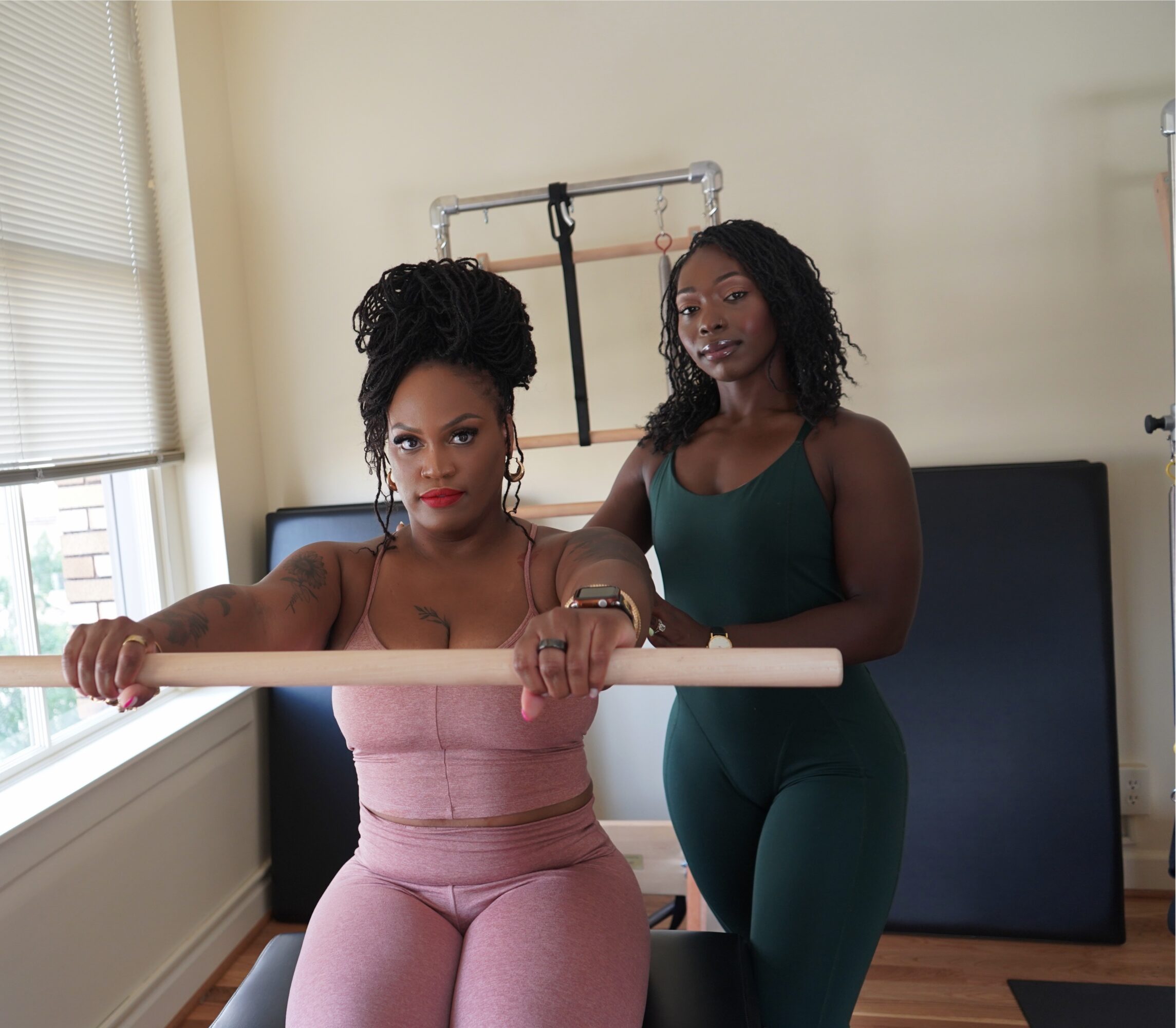
I specialize in Pilates that’s built for real bodies through a Southern lense. As a Southern lady myself that simply means I say yes maam no sir (I understand making people feel seen is half of the buy in), think outside of the box to make Pilates work for people (not the other way around meaing props and modifications should actually help acheive the exercise), and I understand the unique social barriers rurual populations face to accessessing health and wellness (simply having a dedicated fitness space in your town). So when I say I teach Pilates for Public Health I mean I go to the highways and byways to at least peak someones interest in movement for themselves and knowing that when you love something you tell someone else then the public health aspepect comes in and the “good news” of Pilates for Public Health continues to get pushed to the masses. I’ve also got a psychology degree, a background in patient care and corporate wellness, 950+ hours of training, including an advanced certification from The Pilates Center in Boulder, so I don’t shy away from working with bodies that need a little extra support—folks managing osteoporosis, Parkinson’s, vertigo, hip replacements or just being a bigger or smaller than the “average” body. I teach the way I want to be taught: with patience, honesty, and kindness.
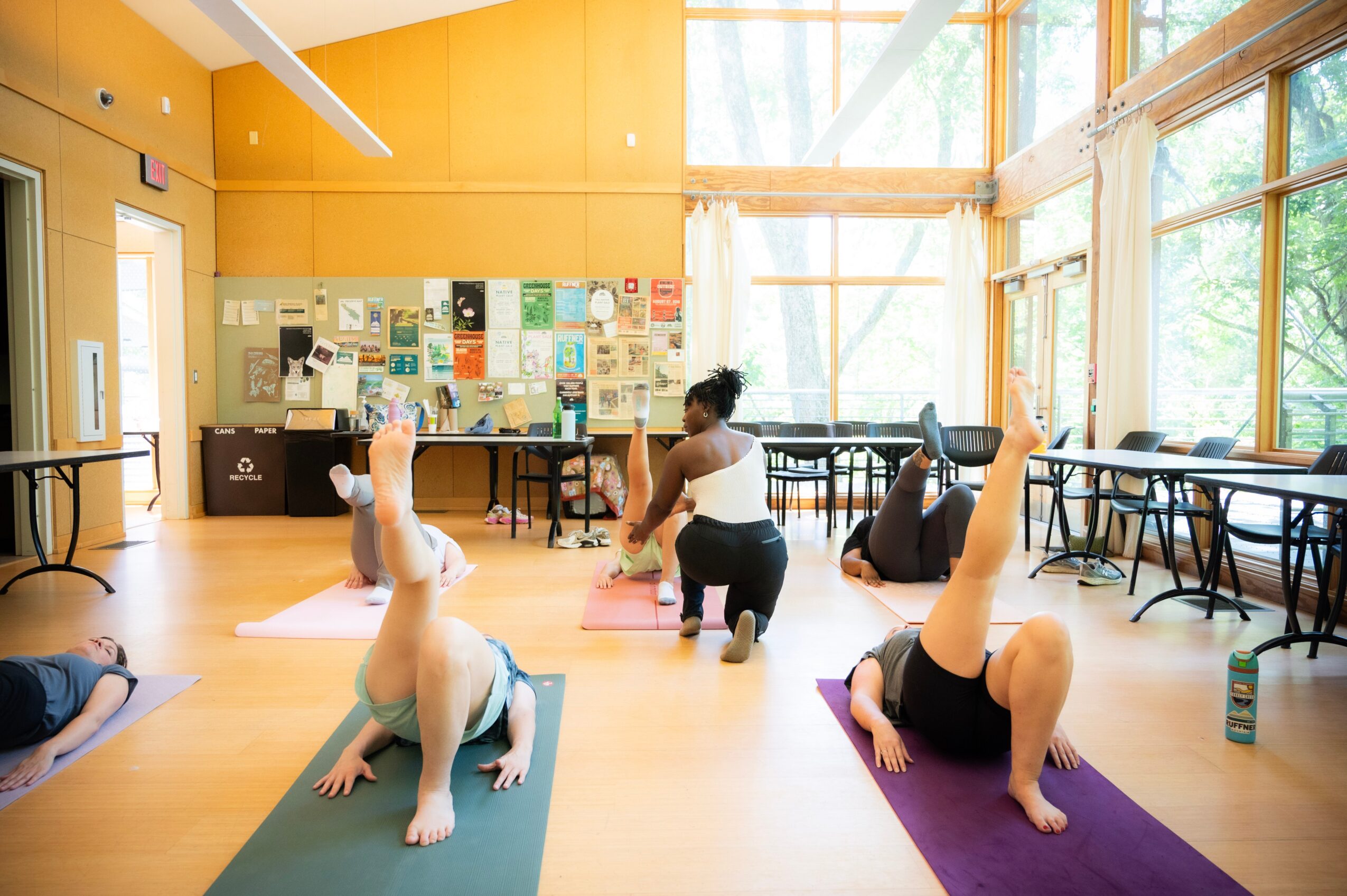
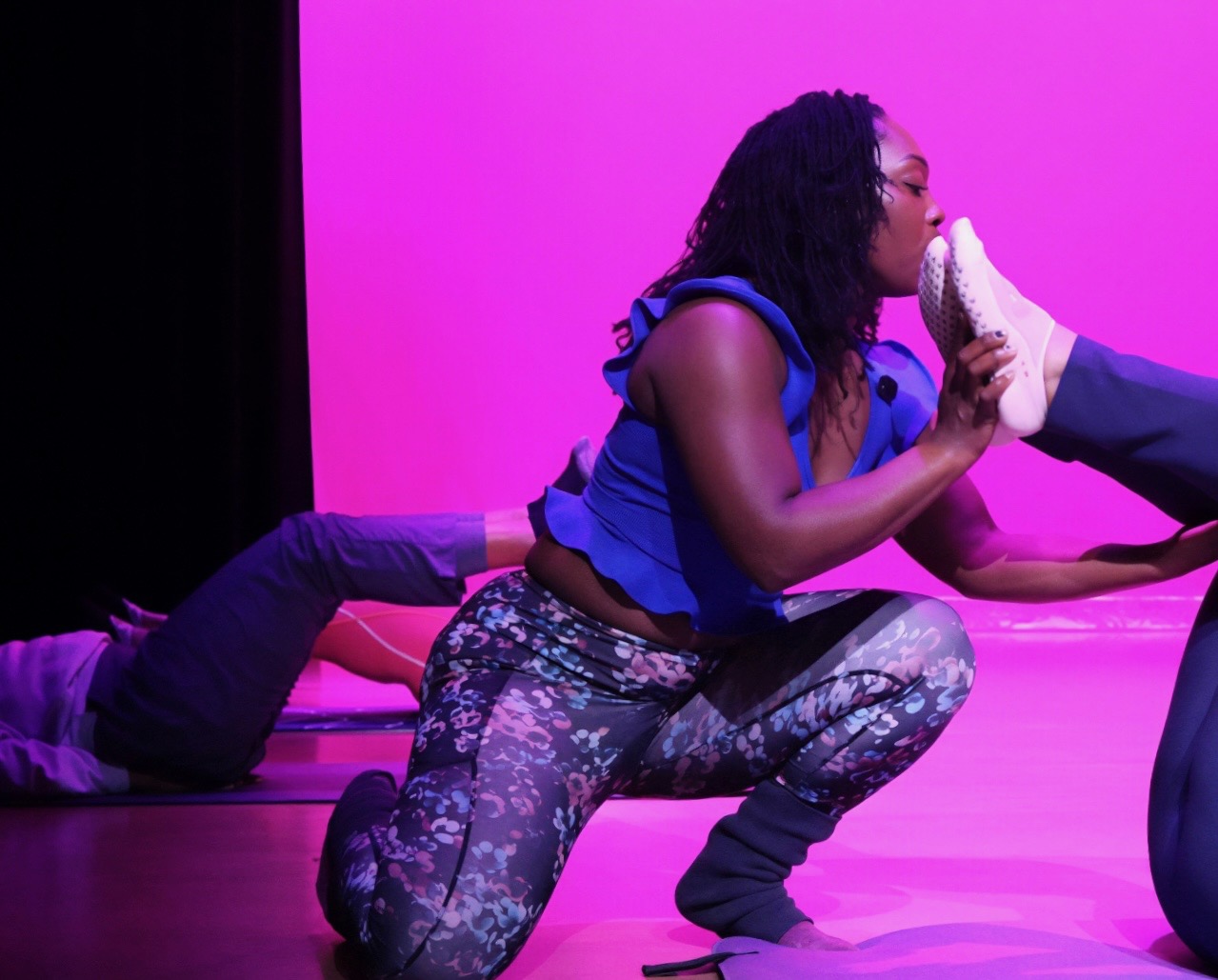
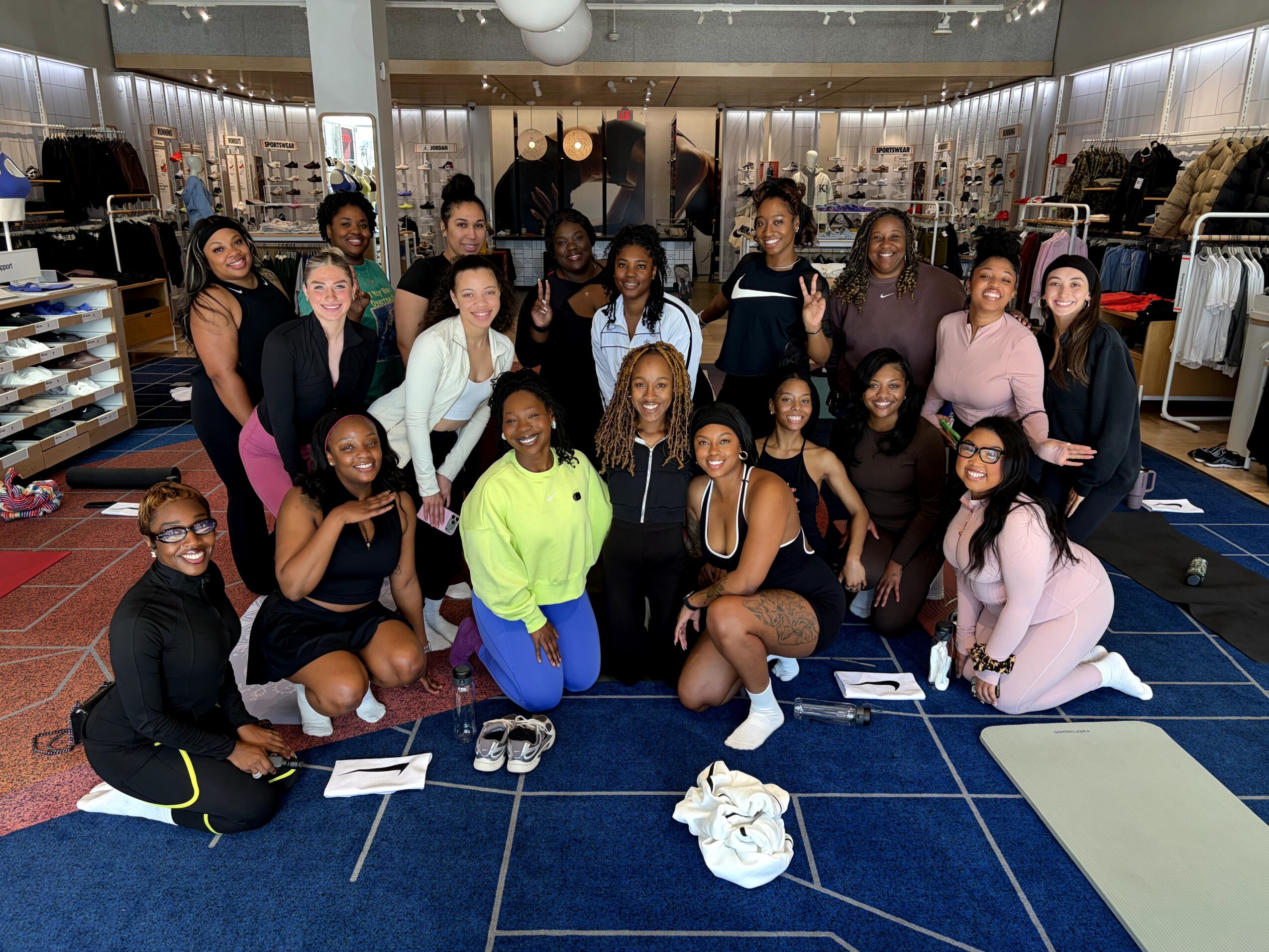
If I’m known for anything, it’s taking Pilates out of the studio and into the community, like a park, museum, or church and for the way people feel in my classes. One of my favorite compliments is “she teaches with a lot of joy and passion, you can tell she loves what she does.” It really warms my heart because people see this as truly my life’s work.
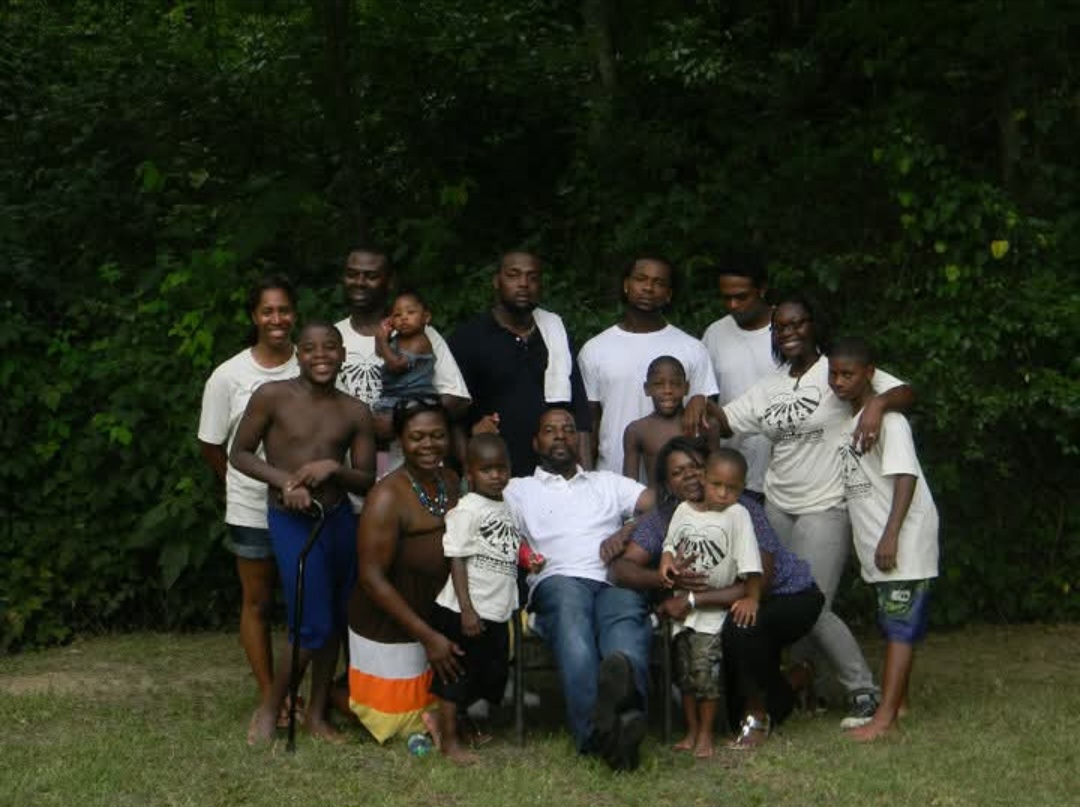
Two things set me apart from others. Number one is my *why*. I named the business after my grandparents, Kenneth and Carrie, because I believe wellness can be genetic—what you do for your body today echoes through your family for generations. That’s what generational wellness means to me, and it’s bigger than just the physical. It’s mental, spiritual, financial, and emotional, too.
Number two is the certifications and who they come from. I’m a firm believer that to be the best, you have to learn from the best you can get your hands on—and thank God I was able to catch direct Joseph Pilates lineage right here in the USA, in Boulder, Colorado, at The Pilates Center. It was founded back in 1990 by two sisters, Amy Taylor Alpers and Rachel Taylor Segel, directly under Romana Kryzanowska— one of Joseph Pilates’ protégés. So when you trace the line, it goes straight from Joseph Pilates to Romana, to the Taylor sisters, to me. Now shout out to others in this linage including the only two people actually certified my Joseph Pilates: Kathy Stanford Grant and Lolita San Miguel but saying all that to say this aint no weekend course you find online. The Pilates Center is recognized globally for teaching the original, classical method as a complete system, and they’ve trained teachers all over the world while staying fiercely committed to keeping the integrity of the work and allowing science to inform the latest best practices. Which is good for me because as scientist its important that my knowledlege starts from something I can back up.
Through them, I’m also a Certified Host Advisor—which means I’m not just trained to teach Pilates; I’m trained to teach others to teach it to folks. That’s the part I’m really proud of, because it’s how this lineage keeps going. I get to be a link in the chain that carries the method forward to the next generation of teachers.
What that means for you is simple: when you move with me, you’re not getting a watered-down, telephone-game version of Pilates. You’re getting the real thing, passed down carefully from the source—taught through my own lens of psychology, patient care, and a whole lot of Southern hospitality.
Brand-wise, I’m most proud of winning the Urban Impact BECOME grant. In the summer of 2025, Kenetic Wellness was awarded $8,500 through Urban Impact’s fifth annual BECOME Pitch Competition—an organization dedicated to removing barriers for Black entrepreneurs and helping our communities build and grow. I’m not going to lie, I cried. Because that grant wasn’t just money. It was somebody looking me in the eye and saying, “Pilates as a public health initiative is worth something. Keep going.” That’s the moment my whole theory—that this could be a real, sustainable business and a force for good—stopped being something I had to defend and became something other people believed in too.
Here’s what I really want folks to know: Kenetic Wellness isn’t a packed, churn-’em-through fitness class, and I’m not a rotating roster of contractors. When you work with me, you work with *me*—the same instructor who remembers your name, your history, and what you’re working toward, every single session.
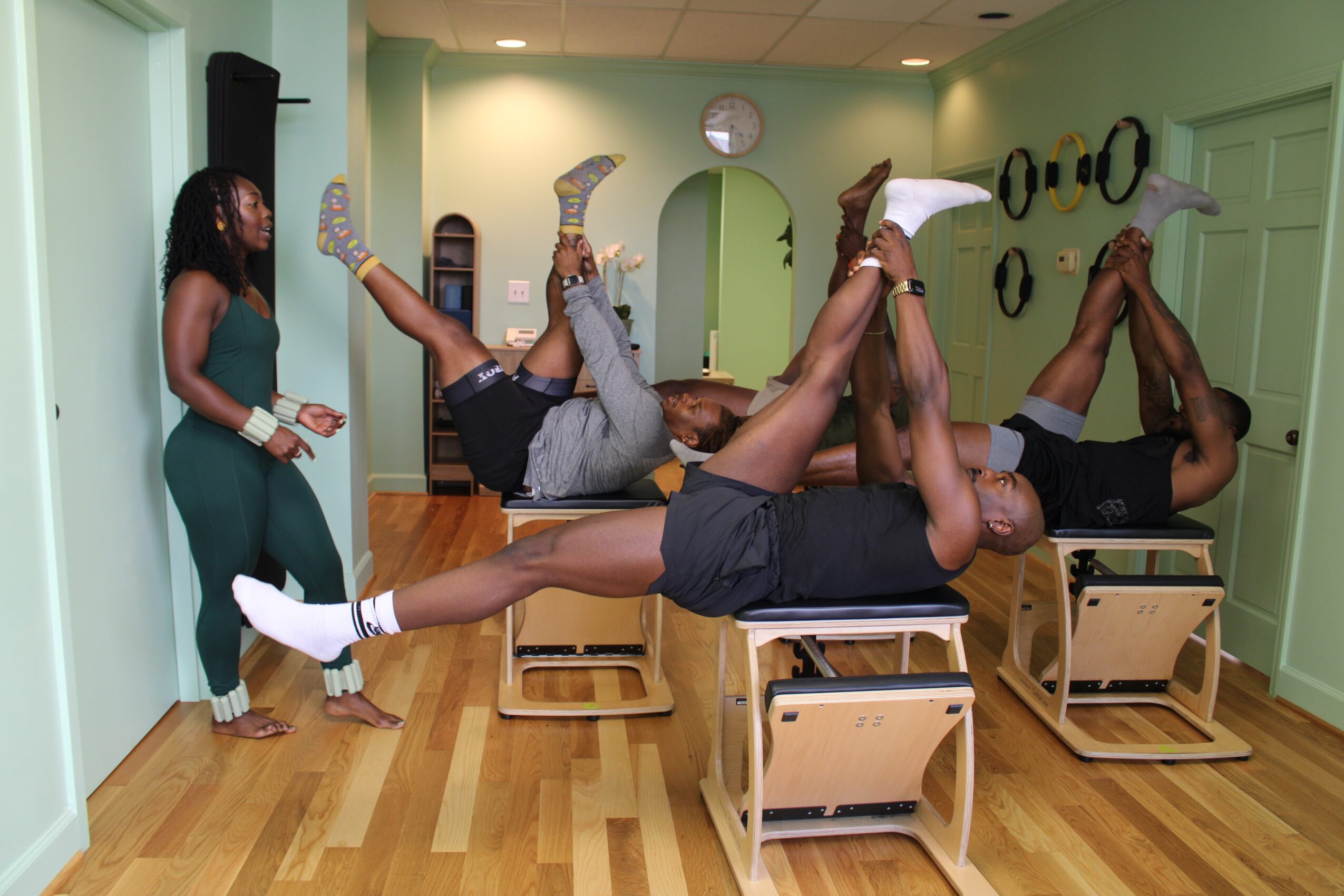
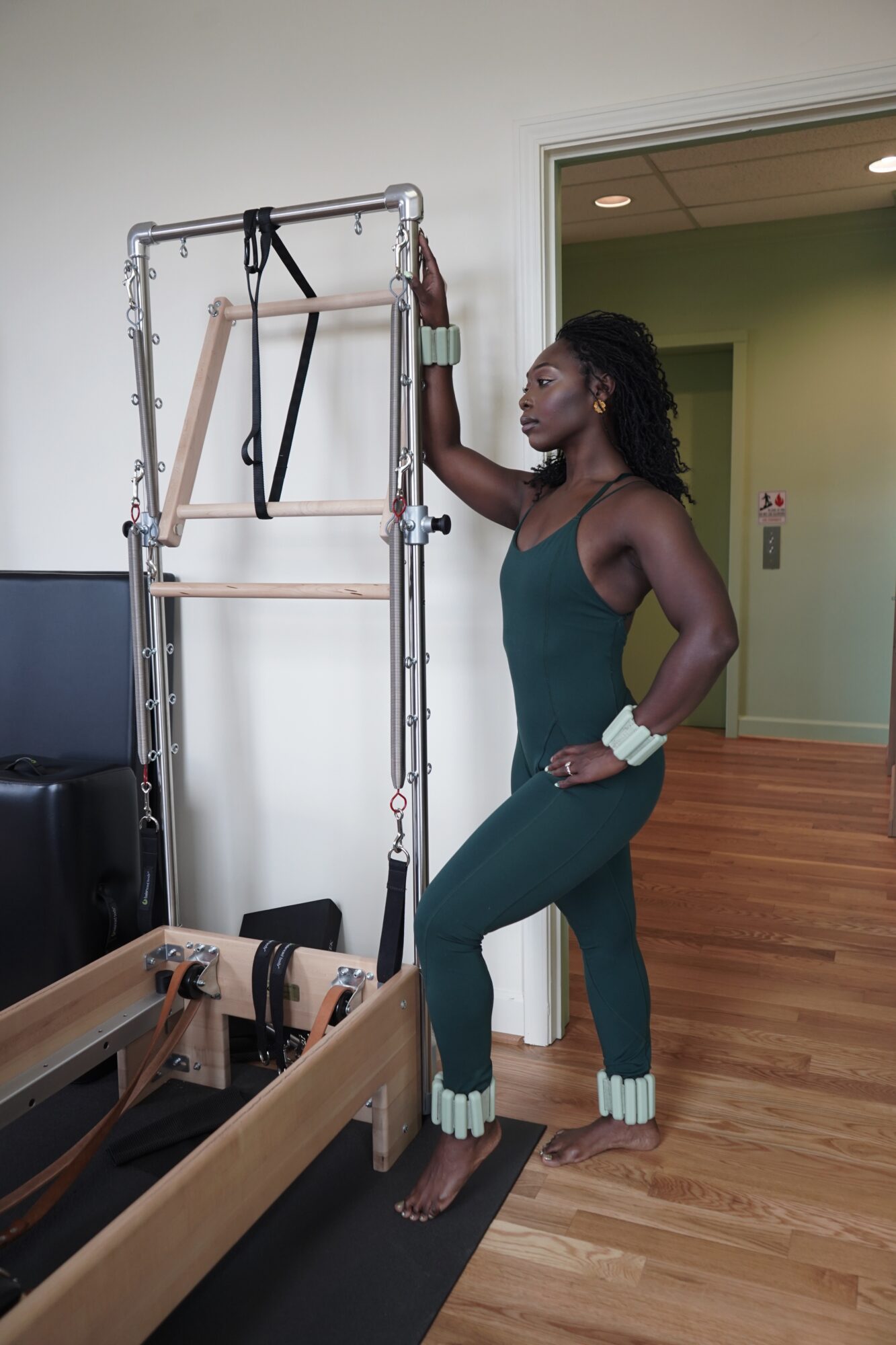
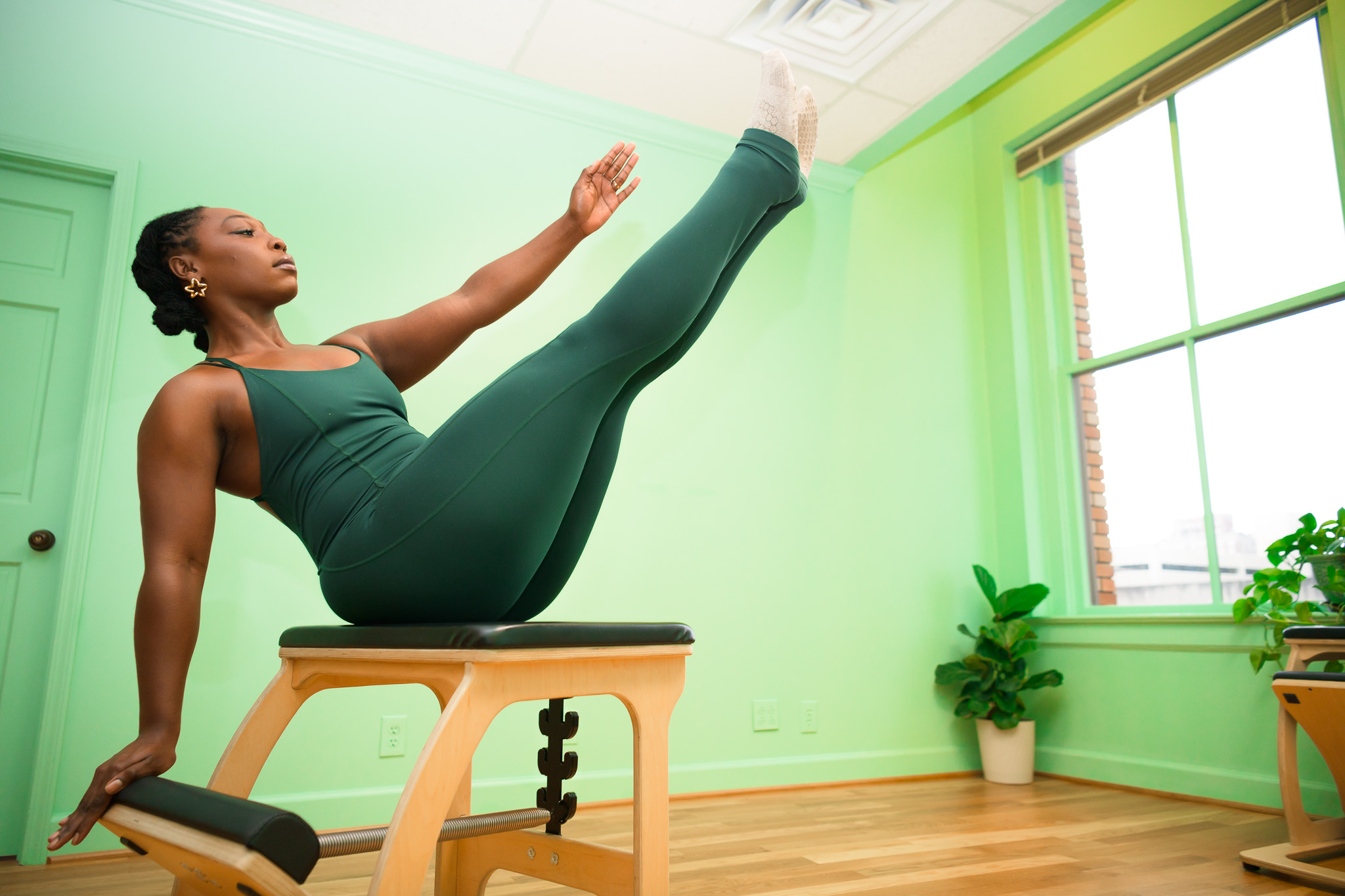
For individuals, everything happens inside the studio in downtown Birmingham, and it’s built around you. I offer private and duet sessions for anyone recovering from an injury, navigating a chronic condition, or who just wants focused one-on-one attention—we pull from the full classical toolkit (reformer, mat, chair, tower, and Cadillac), whatever your body needs that day. I also keep my group classes intentionally small, never packed, so I can actually see your form and adjust in real time. Drop-ins are $35, a private session is $80, and you can do eight classes a month for $220. And every new client gets a free consultation first, because it always starts with a conversation.
On the business side, I run a whole corporate wellness arm—on-site workshops, executive private training, lunch-and-learns, wellness retreats, virtual sessions for remote teams, and ongoing partnerships, starting around $1,200 a month. I also work with athletic teams on recovery and injury prevention, and with colleges and universities to bring real movement programming to campus—a real person in a real room, not just another app or flyer. And I speak to crowds sometimes too: keynotes and workshops on things like Pilates for Public Health, “Generational Wellness: The New Generational Wealth,” and the Southern wellness gap.
But underneath all of it is one belief: your body is your most valuable asset, and it’s keeping score whether you’re paying attention or not. Whether you find me at a free pop-up in the park, on a reformer downtown, or leading your company’s team, my whole goal is the same—to help you feel safe in your body, understand what it’s actually doing, and build something that lasts not just for you, but for the people who come after you. That’s the real Kenetic difference.
Can you talk to us a bit about happiness and what makes you happy?
When my client sees their own improvements! I’m never more proud, satisfied, or elated than when a client witnesses their own strength, flexibility, or goals being met for themselves. Whether inside or outside of the studio, “Kenyele, I can actually hold my legs up during Teaser (a Pilates exercise)” or outside the studio, “Kenyele, I was able to stand while cooking my family’s Christmas dinner this year.” Seeing their minds change from impossible to possible brings me great joy and motivation to keep doing this.
Outside of the studio anything that brings out my childlike joy. Right now thats watching all my favorite disney shows and movies on repeat: That’s so Raven, Hannah Montana, Suite life of Zach and Cody, Even Steven’s Movie, Toy Story. Listening to albums (no skips), fashion, vintage shopping, coloring, and Suduko.
Pricing:
- $35 drop in
- $220 8 classes monthly
Contact Info:
- Website: https://Keneticwellness.com
- Instagram: https://www.instagram.com/keneticwellness/
- LinkedIn: https://www.linkedin.com/in/kenyelesparksharrison/
- Other: https://www.linkedin.com/company/kenetic-wellness/