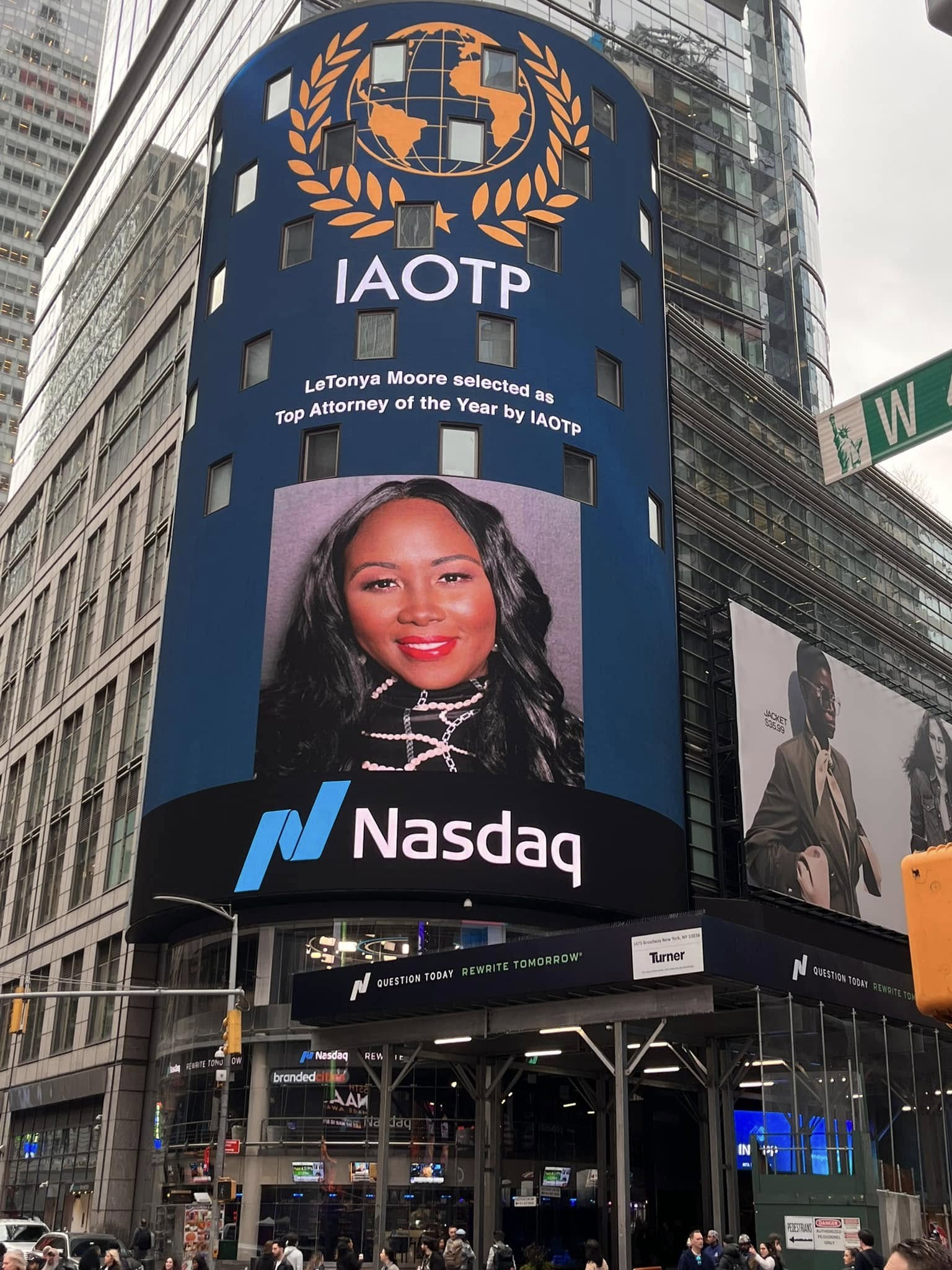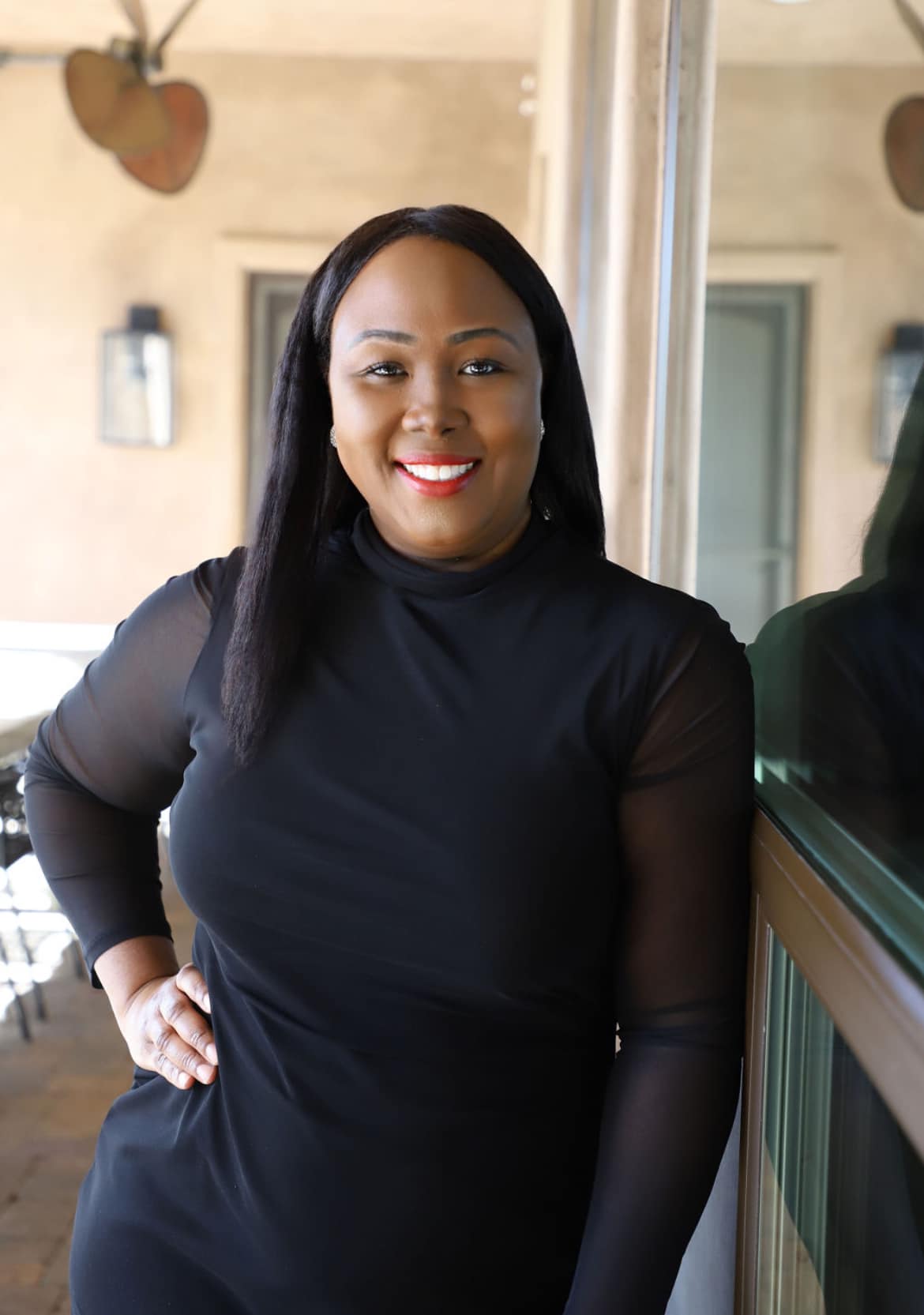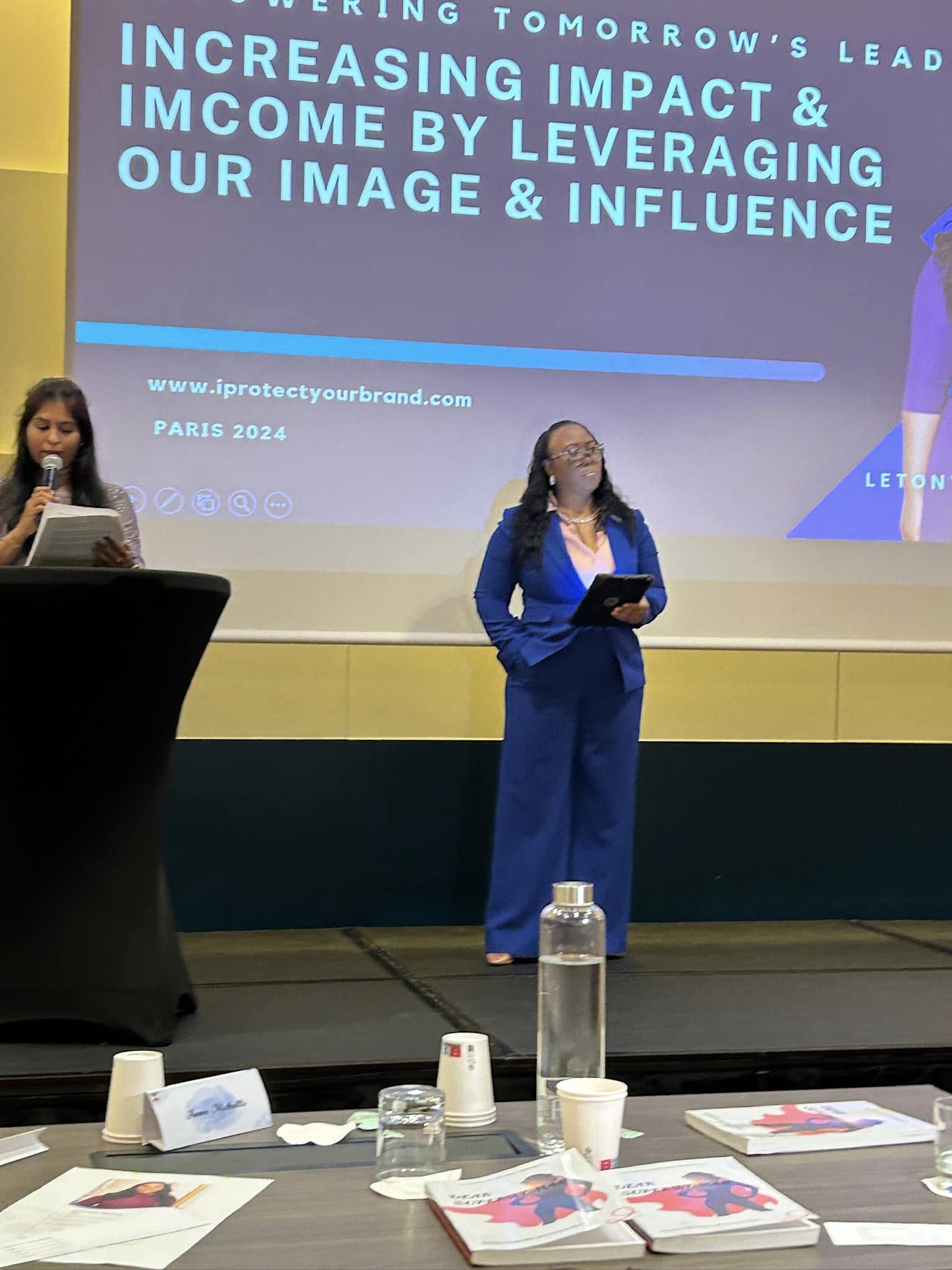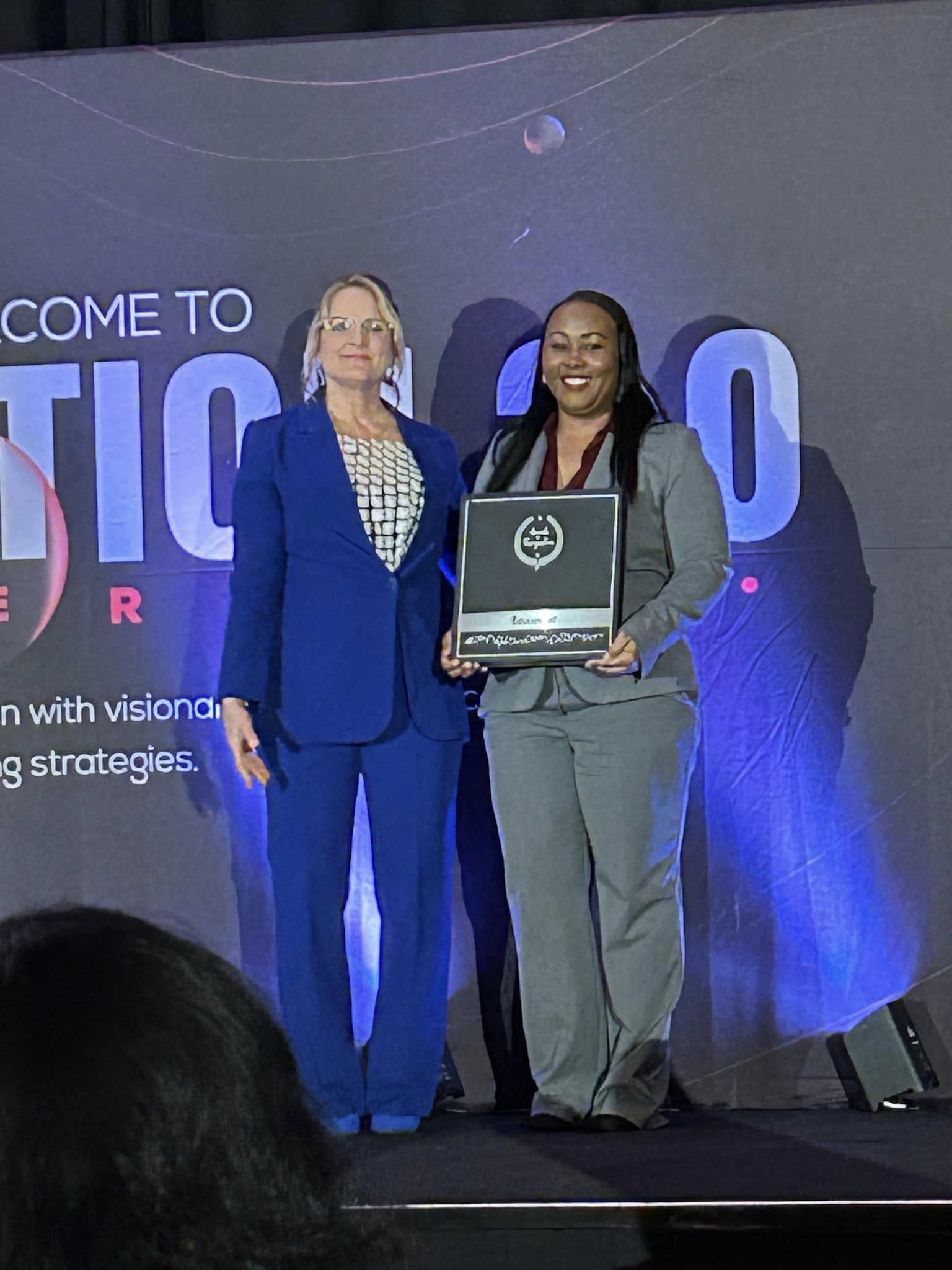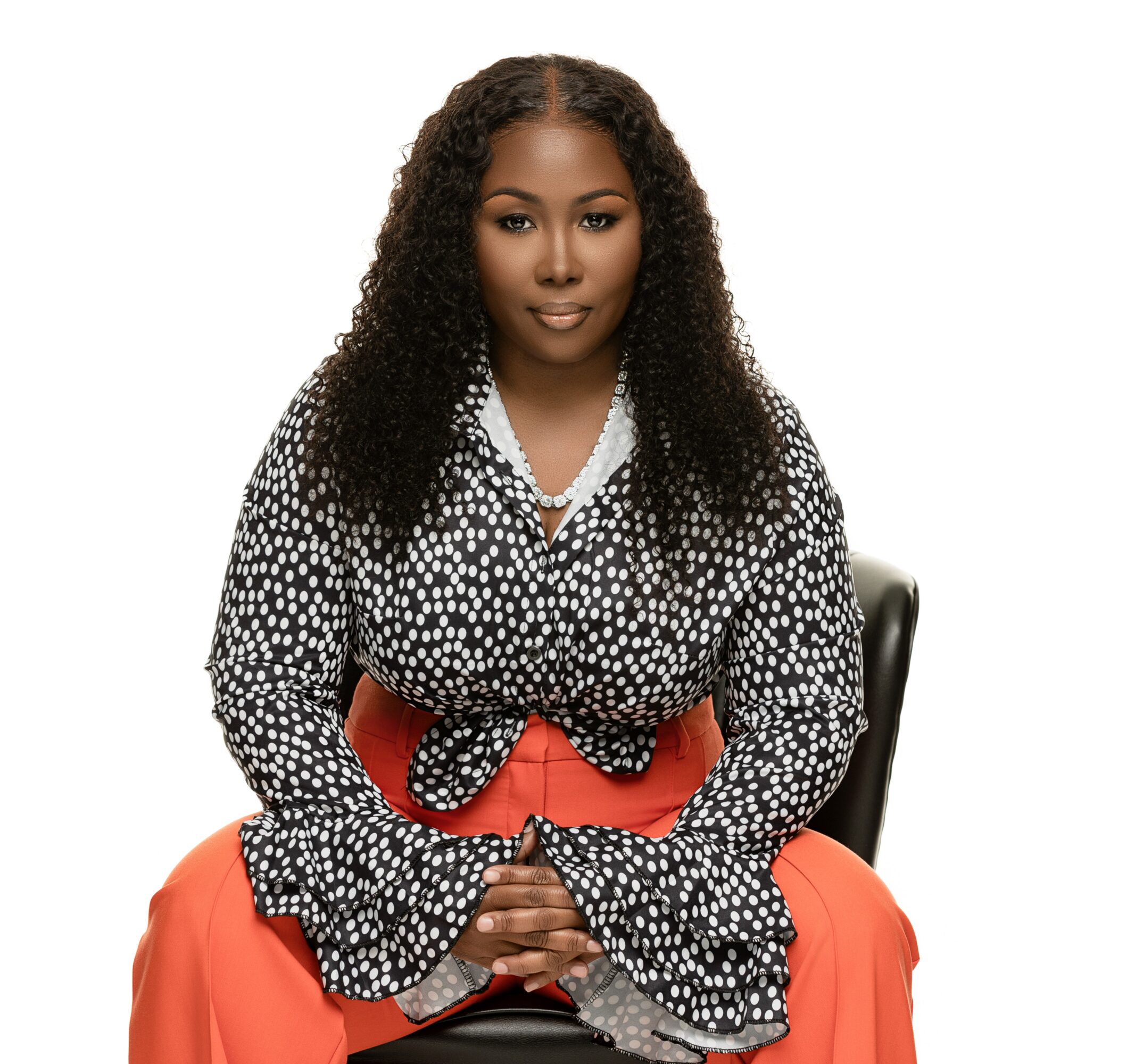
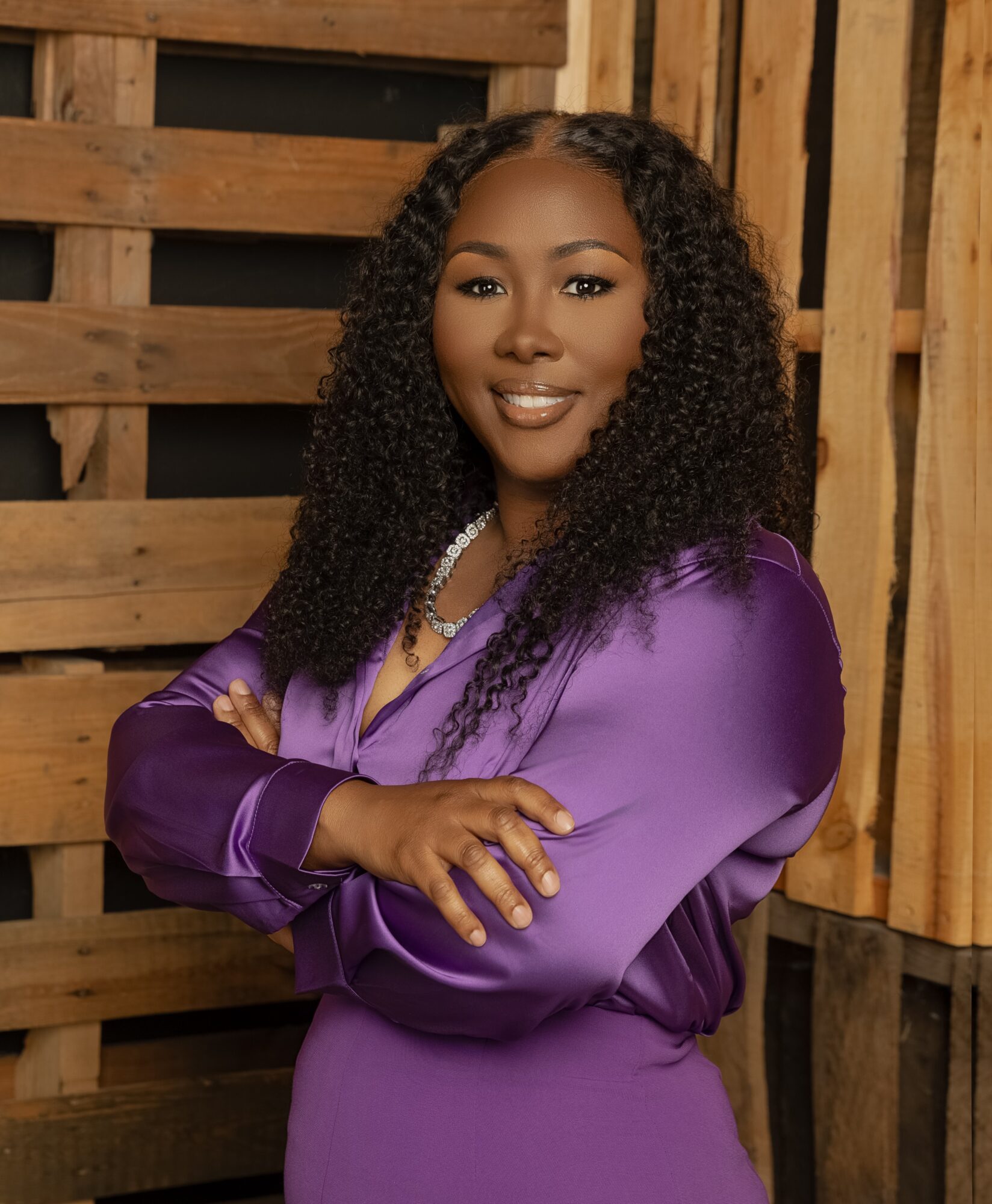
Today we’d like to introduce you to LeTonya Moore.
Hi LeTonya , so excited to have you on the platform. So before we get into questions about your work-life, maybe you can bring our readers up to speed on your story and how you got to where you are today?
My story is a story of reinvention, resilience, and turning experience into impact.
I have never followed a conventional path. I became a mother as a teenager and was the first person in my family to graduate from college and earn a professional degree. Those early experiences taught me something that has stayed with me throughout my life: your beginning does not have to determine your ending.
I became an attorney and built a career at the intersection of law, regulation, civil rights, and disability. Over more than two decades, I had the opportunity to work with and around federal agencies including HUD, VA, HHS, and SBA. That experience gave me a perspective that continues to shape my work today. I learned not only how to practice law, but how systems work, how regulations affect real people, and how difficult those systems can be to navigate when you don’t have the right information or someone who knows how to guide you through them.
Entrepreneurship became another important part of my journey. I built a seven-figure business, and then I lost it.
I also experienced homelessness.
That chapter of my life could have become the definition of my story, but instead it became one of its greatest teachers. Losing something I had worked so hard to build forced me to confront who I was beyond my business, my title, and my accomplishments. I learned that success isn’t simply about what you can build. It’s also about whether you have the courage and capacity to rebuild when what you’ve built is gone.
And I rebuilt.
As my career evolved, I found myself increasingly focused on education, disability, and the rights of children and families. I saw parents struggling to navigate special education systems that were often complicated to understand. They were expected to understand evaluations, IEPs, services, accommodations, procedural safeguards, regulations, and legal rights, often while simultaneously trying to care for and advocate for a child who needed them desperately.
I kept coming back to one question:
Why should a parent have to become an expert in special education law just to know whether their child is receiving what they are entitled to receive?
That question became central to my work.
Through The IEP Lawyers, I have focused on helping families understand and navigate the special education process. But eventually, I realized that traditional legal representation alone wasn’t enough. If I wanted to create meaningful change, I had to think beyond individual cases.
That led me to technology.
I developed IEP Armor, an AI-powered application designed to help analyze an Individualized Education Program and give families a more sophisticated way to examine what is actually in the document- not simply whether an IEP exists, but whether the pieces of the plan work together to support the child’s needs.
For me, IEP Armor represents much more than developing an app. It represents the evolution of my career.
I spent years learning the law. I spent years understanding disability and civil rights systems. I spent years representing and educating families. I spent years watching the same problems surface again and again.
Then I asked myself: What if I could take what I’ve learned over decades and put some of that knowledge into the hands of families before they ever walk into a meeting or hire an attorney?
That is the kind of innovation I am interested in.
I don’t believe technology should replace lawyers, advocates, educators, or the human relationships that are essential to this work. I believe technology can help people become more informed, ask better questions, identify potential issues, and walk into difficult conversations with greater confidence.
That philosophy has become part of the larger vision for my work. I’m interested in the intersection of law, education, civil rights, entrepreneurship, and technology, and particularly in using those intersections to make complicated systems more understandable and accessible.
Looking back, the different chapters of my life don’t feel disconnected to me anymore.
Becoming a teenage mother taught me resilience.
Being the first in my family to graduate from college and become an attorney taught me that doors can be opened even when you don’t have a blueprint.
Working with federal agencies taught me how powerful systems can be and how important it is for people to understand how those systems work.
Entrepreneurship taught me how to build.
Losing a seven-figure business and experiencing homelessness taught me how to rebuild.
My legal and civil rights career taught me how to advocate.
My work with families taught me that knowledge is one of the most powerful forms of advocacy.
And developing IEP Armor taught me that sometimes the next evolution of your expertise isn’t another service; it’s building something that can reach people at scale.
Today, I am less interested in simply being known as a successful attorney. I’m interested in building a body of work that has a life beyond me.
I want to create businesses, technology, education, and advocacy tools that make systems easier to navigate and give people greater access to the knowledge they need to protect themselves and their families.
My journey has taught me that reinvention isn’t about becoming someone different.
Sometimes, it’s about finally understanding what all the previous versions of you were preparing you to build.
Alright, so let’s dig a little deeper into the story – has it been an easy path overall and if not, what were the challenges you’ve had to overcome?
No, it has not been a smooth road. Some of the hardest seasons of my life came after I had already experienced significant professional success.
I built a seven figure business and then lost it. That loss eventually led to homelessness, and having to rebuild my life from that place was one of the most humbling experiences I have ever had.
There is something very different about talking about resilience when you are comfortable and talking about resilience when you genuinely do not know what tomorrow is going to look like.
During that season, I experienced something I will never forget. Strangers showed me kindness.
People who did not owe me anything helped me get through a period when I desperately needed help. Some of the people who made a difference in my life during that time may never fully understand what their kindness meant to me. Their generosity reminded me that sometimes God answers prayers through people who simply choose to show up.
That experience changed the way I see people, success, and purpose. I learned that you can lose almost everything you thought defined you and still have something no one can take away from you: the ability to begin again.
Then I experienced another loss that nearly derailed everything I had rebuilt.
My mother passed away.
Grief affected me in a way I could not simply work my way through. I had spent much of my life learning how to push forward, solve problems, build businesses, practice law, and keep going. But grief does not always respond to productivity. There was a period when I had to acknowledge that I was hurting and that I could not simply outwork the pain.
In many ways, that season forced me to slow down and reconnect with what actually mattered to me.
It also reminded me that success is not just about achievement. It is about meaning.
I had to find my way back to my purpose while carrying grief, and that process changed the kind of work I wanted to build. I became even more intentional about creating work that could have an impact beyond me.
That is part of what ultimately led me to think differently about my work in special education and disability advocacy. I had spent years helping families navigate complicated systems, but I began asking how I could take what I had learned and make it accessible to more people.
That question eventually contributed to the development of IEP Armor, the technology I created to help families better understand and analyze their child’s Individualized Education Program.
Building something new after experiencing so much loss has required me to become comfortable with starting over more than once. It has required resilience, but also humility. I have had to accept that rebuilding does not always look like going back to who you were before. Sometimes it means becoming someone new.
I do not look at the difficult seasons of my life as something I need to hide. They are part of why I lead the way I do today.
Homelessness taught me that circumstances can change overnight.
The kindness of strangers taught me that people can be part of your restoration.
Losing my mother taught me that grief can change you and that healing cannot be rushed.
Rebuilding taught me that failure is not the opposite of success.
Sometimes it is part of becoming the person capable of creating something even greater.
The road has not been smooth. There have been moments when I genuinely did not know how I was going to get through.
But I did.
And now, when I build, I build with a deeper understanding of resilience, compassion, purpose, and legacy.
Thanks – so what else should our readers know about Southern Regional Law Group, LLC?
My work sits at the intersection of law, business, education, civil rights, and entrepreneurship. I am a business attorney and education attorney, and I have built my practice around helping people protect what they have built and protect what matters most to them.
On the business side, I work with entrepreneurs and business owners on the legal infrastructure behind their brands and companies. That can include business formation, contracts, intellectual property, trademarks, brand protection, and the legal issues that arise as a business grows. I am particularly passionate about helping entrepreneurs understand that building a successful brand is not enough. You also have to legally protect the business and intellectual property behind it.
That philosophy is part of the foundation of my Legalproof brand. I developed the concept of Legalproof Your Biz because I believe entrepreneurs should be building businesses that are not only profitable and beautiful, but legally sound and protected.
My education law practice focuses primarily on children with disabilities and the families advocating for them. Through The IEP Lawyers, I help families navigate special education law, IEPs, disability rights, school based services, accommodations, disputes, and the complex processes that can determine whether a child actually receives an appropriate education.
What connects these two areas of law may not be immediately obvious, but to me it is very clear.
In both business and education law, people are trying to navigate systems that can have enormous consequences for their futures. My job is to understand those systems, identify the risks, explain what is happening, and help my clients make informed decisions.
What sets me apart is the combination of legal experience, regulatory knowledge, entrepreneurship, and advocacy that I bring to the table. I have not spent my career looking at law from only one perspective. I have worked within federal systems, built businesses, represented clients, experienced entrepreneurship personally, and spent years working in civil rights and disability related matters.
That allows me to approach legal problems both technically and strategically.
I am also very proud of the evolution of my brand. I have moved from simply being known as an attorney who provides legal services to building an ecosystem around legal education, advocacy, technology, and empowerment.
One of the most exciting examples of that evolution is IEP Armor, the technology I developed to help families analyze and better understand their child’s IEP. Developing the application represents something important to me. It is an example of taking decades of legal and advocacy experience and translating that knowledge into a tool that can potentially reach people far beyond the traditional attorney client model.
I am proud that my brands are not simply about selling services. They are about transferring knowledge.
Whether I am helping an entrepreneur protect a trademark, helping a business owner build a legally stronger company, or helping a family understand an IEP, the underlying philosophy is the same: people make better decisions when they understand their rights, their risks, and their options.
That is what I want people to know about my brand.
I am not interested in building businesses that simply look successful from the outside. I want to build brands that are useful, credible, innovative, and built to last.
I am especially proud that my work continues to evolve. Law gave me the foundation. Entrepreneurship taught me how to build. Advocacy taught me how to serve. Technology is giving me a way to scale what I know.
Ultimately, I want my brands to be associated with one thing above all else: **protection through knowledge and strategic action.**
Networking and finding a mentor can have such a positive impact on one’s life and career. Any advice?
I have learned that mentorship is not always about finding one person who has all the answers. Some of the most valuable mentors in my life have been people who helped me see one part of my journey differently.
I believe in having a personal board of advisors. Different people can speak into different areas of your life and business. One person may understand entrepreneurship. Another may understand your industry. Someone else may have already navigated the level of success you are trying to reach. I have found that being intentional about who I allow into those spaces has been incredibly important.
My biggest advice is to stop approaching mentorship as a transaction.
Do not approach someone with the mindset of, “What can this person do for me?” Instead, ask yourself, “What can I learn from this person, and what value can I bring to the relationship?”
People who are genuinely successful are often very generous with their knowledge when they recognize that you are serious, prepared, and willing to do the work.
I have also learned that networking is much more effective when you stop thinking of it as networking.
Build relationships.
Be curious about people. Learn what they are building. Find ways to support their work. Follow through when you say you will. Introduce people to one another when you see an opportunity for connection. Celebrate other people’s wins without immediately asking what they can do for you.
Some of the most meaningful professional relationships I have developed began with a conversation where neither person was trying to get anything from the other.
I also encourage people to get comfortable being in rooms where they are not yet the most knowledgeable or accomplished person. That can be uncomfortable, but it is where a tremendous amount of growth happens.
There were times in my career when I had to walk into rooms where I did not know anyone and trust that I belonged there. I learned that confidence does not mean believing you know everything. Sometimes confidence is being willing to say, “I don’t know. Teach me.”
Another lesson I have learned is that mentorship can come from unexpected places. Some of the people who have taught me the most were not necessarily people with the exact career I wanted. They had qualities I wanted to develop, experiences I needed to understand, or perspectives that challenged the way I thought.
And finally, I would tell anyone looking for a mentor to become the kind of person a mentor wants to invest in.
Be prepared.
Be coachable.
Do what you say you are going to do.
Ask thoughtful questions.
Respect people’s time.
And when someone opens a door for you, don’t simply walk through it. Look around and figure out who you can bring with you.
That last part is especially important to me.
I have benefited from people who extended kindness, knowledge, opportunity, and encouragement at different points in my life. I believe part of building a meaningful legacy is becoming that person for someone else.
The goal should not simply be to find mentors.
It should be to become one.
Contact Info:
- Website: https://theieplawyers.com
- Instagram: @legalproofmaven
- Facebook: https://www.facebook.com/letonya.moore.5
- LinkedIn: https://www.linkedin.com/in/letonyamoore/
- Other: @letonyamoore