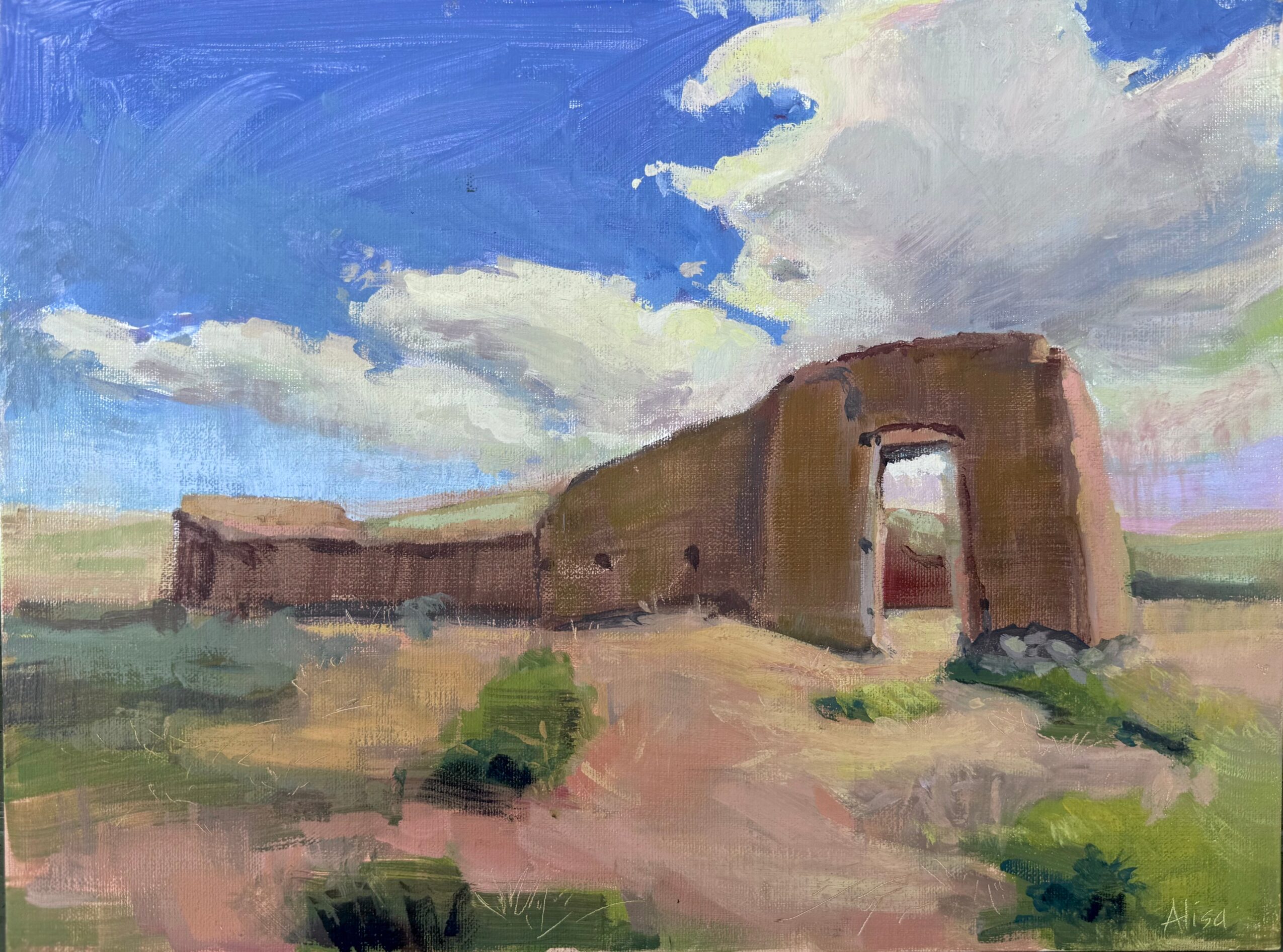
Today we’d like to introduce you to Alisa Beck.
Hi Alisa, we’d love for you to start by introducing yourself.
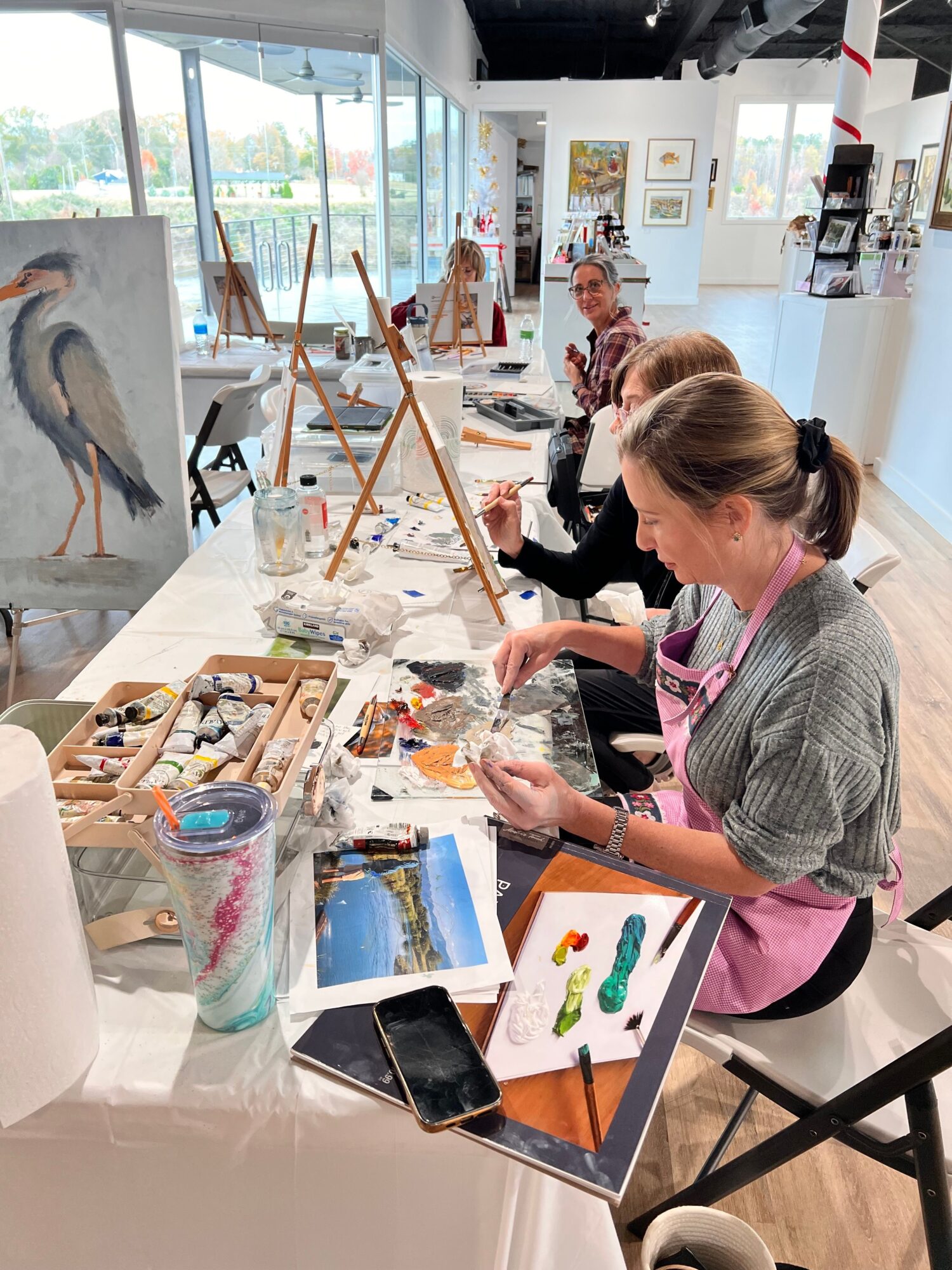
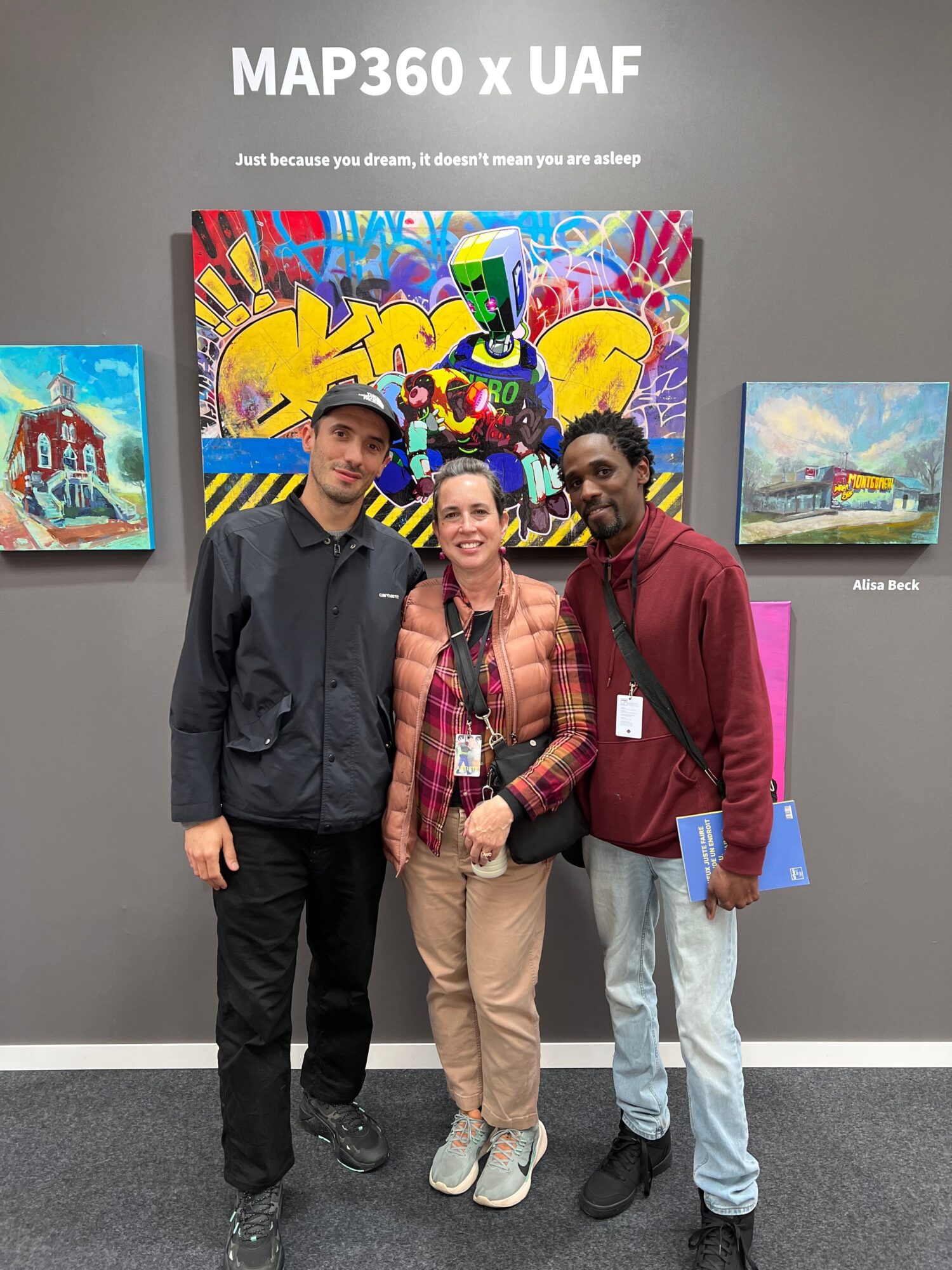
Today, I am a full-time studio artist, teacher, and arts advocate. I exhibit my work, teach workshops and ongoing classes, and create opportunities for other artists to learn, connect, and show their work. Over time, my studio practice and my work within the arts community have become deeply connected.
I did not get here through one clear or direct path. I got here by continuing to paint, to learn and making room for art in my life even when the resources or opportunities I needed were not readily available. When I could not find the kind of artistic community or continuing education I was looking for, I began to help create it. Teaching and workshops grew from that.
At the same time, I kept developing my own work—showing it, questioning it, traveling, experimenting, and becoming more certain about what I wanted to say as a painter. Today my work is centered around Southern light, space, place, and memory, and much of what I do—whether I am painting, teaching, or bringing artists together—comes from the same place: a belief that art matters and that artists need both the space and the community to keep growing.
Can you talk to us a bit about the challenges and lessons you’ve learned along the way. Looking back would you say it’s been easy or smooth in retrospect?
It has definitely not been a smooth or direct road. One of my early challenges was figuring out how to build a life as a working studio artist when many of the resources and opportunities I was looking for were not readily available where I lived. I wanted serious continuing education, opportunities to work alongside other artists, and a community that encouraged growth. When I could not always find those things, I learned to seek them out elsewhere and eventually began helping to create some of them here.
There is also a practical side to being an artist that people do not always see. You have to find a way to support yourself while continuing to make the work. Teaching became an important part of that for me, but it also grew into something I genuinely love—helping other adults take their work seriously and giving them access to the kind of instruction, encouragement, and community I had been searching for myself.
In 2020, breast cancer changed a lot of things for me. Treatment took time away from my work and forced me to think differently about my time, my energy, and what I wanted to do with both. other health challenges have also changed the way I physically work and have required me to be more thoughtful about how I manage my studio practice and my well-being. I cannot always work in the same way I once did, so I have had to adapt.
That experience also made me much more conscious of time. I think I am less willing now to postpone the things that matter to me or wait for the perfect circumstances to make the work I want to make.
One of my continuing challenges is balancing all the different parts of my life as an artist—painting, teaching, organizing, helping other artists, and saying yes to opportunities while still protecting the time and energy I need for my own work. I have learned that my studio practice has to remain at the center of what I do.
The obstacles along the way have made me resourceful and adaptable. If something I needed was not there, I learned to find another way forward or to help create it.
Appreciate you sharing that. What else should we know about what you do?
I am primarily a painter and teacher. My studio work is centered around Southern light, space, place, and memory. I am especially known for my palette knife work, simplified and often moody landscapes, strong use of color, and my teaching ability.
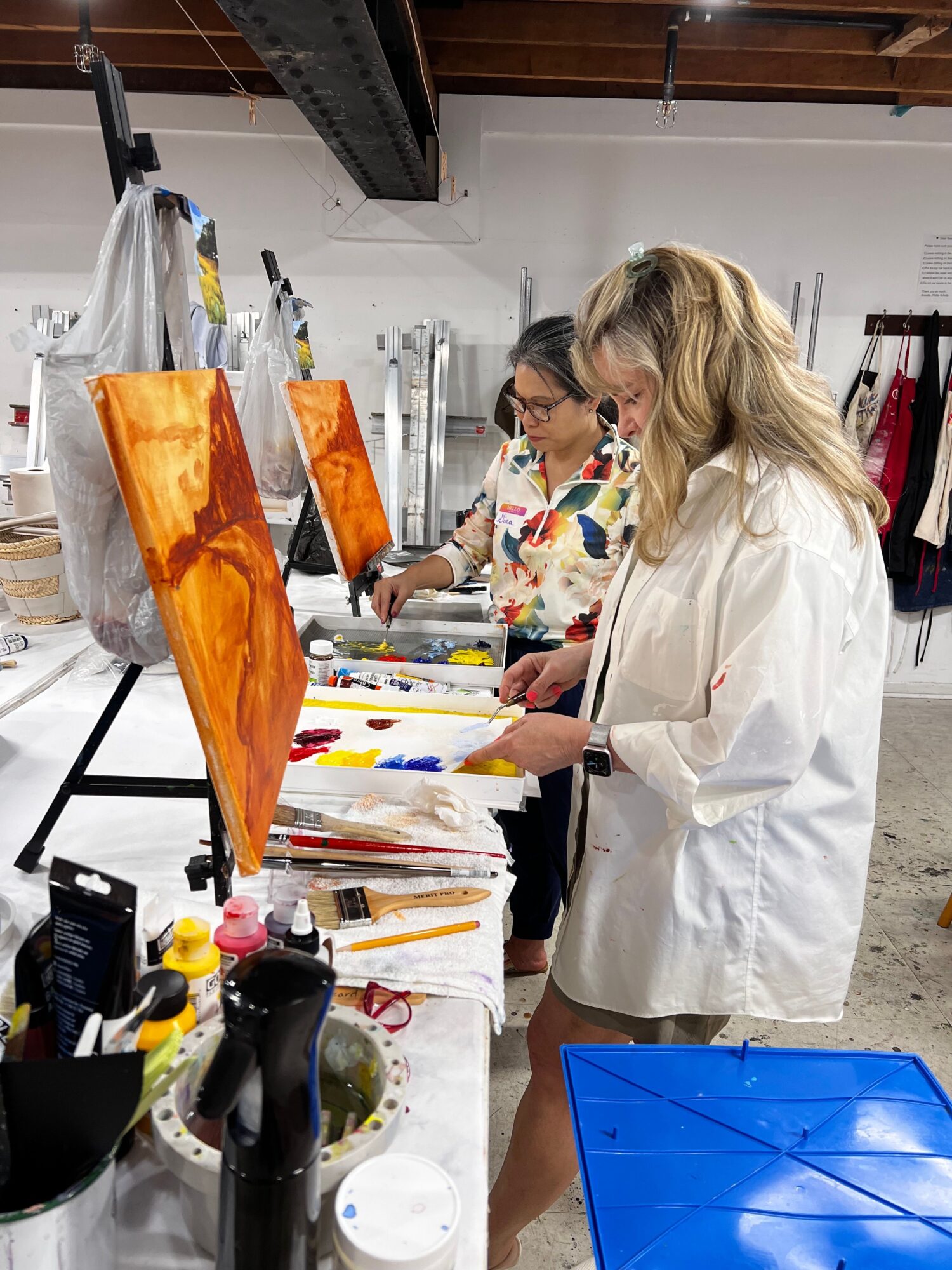
Oil paint has always been at the center of my practice. I love the physical nature of it—the way it can be pushed, scraped, layered, removed, and changed. The palette knife became a natural extension of that for me because it allows me to work directly and decisively. I am less interested in faithfully reproducing a scene and more interested in reducing it to the shapes, color, light, and atmosphere that made me respond to it in the first place.
Color plays a major role in my work. I use it to create emotion, structure, movement, and light. I love when I can share my knowledge of color with others.
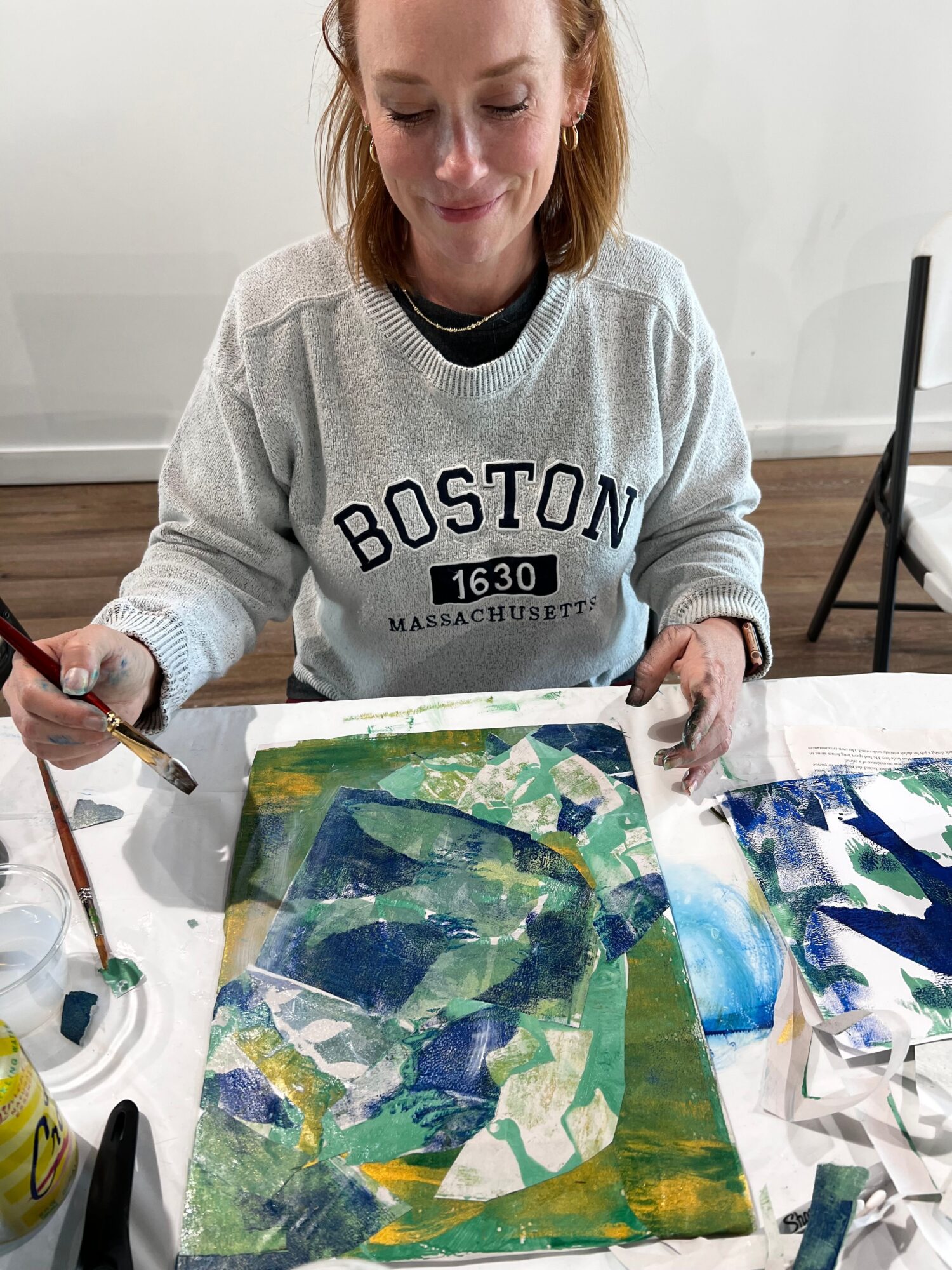
Teaching is equally important to me. I work primarily with adult artists, and I think one of my strengths as a teacher is helping people understand not only how to paint, but how to make stronger decisions. I want students to understand color, composition, materials, and paint handling well enough that they can begin to develop their own voice rather than simply imitate mine.
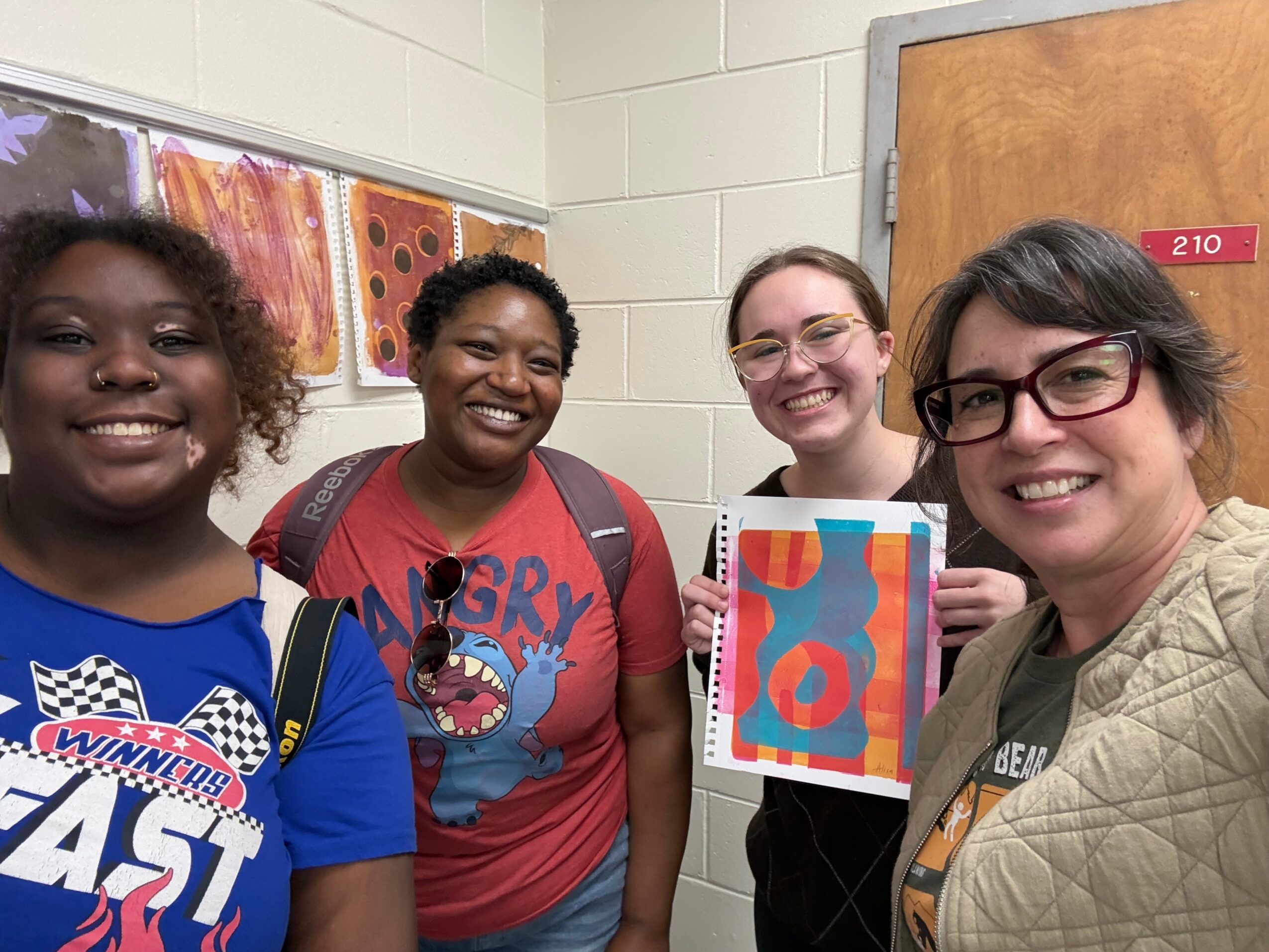
I am very proud of the community that has grown around my teaching and of the artists I have watched become more confident, take greater risks, exhibit their work, and begin to trust their own instincts.
What sets me apart, I think, is the combination of a strong studio practice and a strong commitment to teaching. I care deeply about the language of paint, but I also care about helping other artists learn how to speak in their own visual language.
What sort of changes are you expecting over the next 5-10 years?
I think the art industry is going to change significantly over the next five to ten years, particularly because of AI and other rapidly developing technologies. There will be real opportunities. Artists are already finding new ways to manage the business side of their careers, streamline their workflow, market their work, organize ideas, and accomplish things that once required much more time or outside assistance.
At the same time, I think keeping up with the pace of change will be a challenge. Artists have always had to be creative, but increasingly we also have to understand technology, marketing, social media, and the business of being an artist. For people who are not comfortable adapting to those changes, navigating a creative career may become more difficult.
AI will also continue to raise questions about the value of original creative work. There will probably be more people who are satisfied with an inexpensive image or something generated instantly rather than paying an artist to create something original. I think that is a reality we have to acknowledge.
But I also believe the opposite will happen at the same time. As our world becomes filled with more digitally generated and mass-produced imagery, I think people will become increasingly drawn to things that feel personal, handmade, imperfect, and real.
There is something very different about standing in front of an original painting and seeing the evidence of another human being—the layers of paint, the marks, the decisions, the changes, and even the imperfections. You are looking at something that exists only once.
I think that will become more meaningful, not less.
Technology will continue to change how artists work and how we run our businesses, and I think we should learn how to use the tools that are helpful to us. But I do not believe technology replaces the human experience of making or experiencing art. If anything, I think it may remind us why something made by hand, with intention and by a real person, is special in the first place.
Contact Info:
- Website: https://www.alisabeck.com
- Instagram: alisa_beck_art
- Facebook: alisabeckart