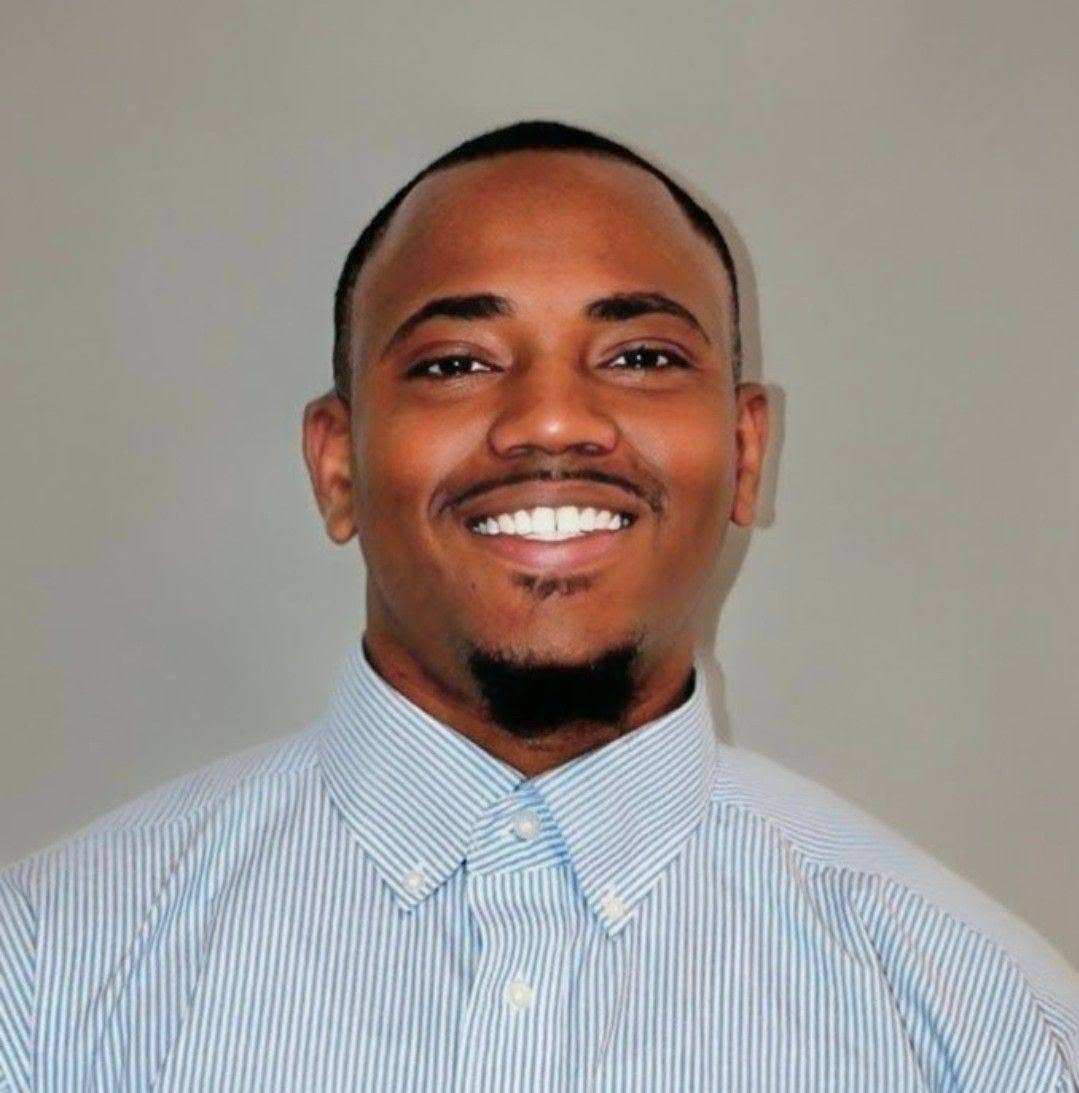
Today we’d like to introduce you to Kenneth Powell.
Hi Kenneth, it’s an honor to have you on the platform. Thanks for taking the time to share your story with us – to start maybe you can share some of your backstory with our readers?
Let me be the first to say I am humbled and grateful to do this interview and I want anyone listening to know: you are your own inspiration. Anything you believe, with real conviction, you can achieve. Even if you don’t have a solid plan. I think back to being the only one in my family to fully move out of Mobile and establish roots somewhere else. I say that because the challenges I’ve had to overcome over the past 20 years — spiritually and psychologically — transformed my mindset from wanting a good job to wanting to be the master of my fate anywhere in the world.
I was 22 — a late bloomer, I know — working at a Rite-Aid warehouse in 2012, making $12 an hour with no clear idea what I wanted to do with my life. I stacked totes coming off a conveyor belt, sometimes seven feet high, then wrapped them to keep them from shifting on the way to the store. On the loading dock in summer, it felt like standing in a microwave — fans just moving hot air around. I remember asking a coworker, Josh, who’d been there a few years, what the pay bumps looked like after a review. “About a dollar,” he said. A dollar on top of nothing is still nothing. I’d outgrown wanting a job. I wanted a career.
That mindset led me to a disposal contractor around 2014, working at a car manufacturing plant in Vance, AL — breaking down, compacting, and recycling boxes for automotive equipment. It was comfortable, but there was no path up. I rode a little motorbike with a flatbed trailer up and down the assembly aisles collecting cardboard, hauled it to a compactor, and that was it. That was the job. It didn’t take long to start dreading a 20-30 year career doing that, in a city where kids down the road were making thousands playing football on Saturdays.
I started asking around about roles at Mercedes and realized real earning potential there meant either management with a degree, or a technical background. School was never the obstacle — sitting through it was. So one night I came across an ad for an Electrical Apprenticeship, paying about what I was making but with real room to grow. I got the interview, and not long after I was on a job site hanging temporary light stringers five stories up in the middle of one of the worst snowstorms in Alabama history — wearing thin Rue 21 jeans, no idea yet what brands like Ariat or Carhartt even were. Fingers numb, face frozen, I asked God if it was worth it. Then we got the call: job postponed for weather. That was my real welcome to manhood.
I finished my apprenticeship in 2018 and earned my Journeyman’s license. I was proud — told everyone, posted about it. At my next review, I brought up the raise I’d heard came standard with the license. My project manager laughed at me and told me, essentially, that I wasn’t a highly valued employee, and that I had to be joking to ask for a three-dollar raise — even after working critical jobs like housing complexes, military bases, and schools. It stung, but it didn’t stop me.
In 2019, I completed a two-month Electrical Curriculum Teaching certification through NCCER so I could teach apprentices on weekends. I’d spent plenty of Saturdays in that same program, and I felt like I owed the apprentices who looked like me a chance to see representation and leadership they hadn’t seen before me, while also earning overtime for the extra hours. My thought process was about growing internally — from Apprentice to Journeyman, to educator, to Foreman, to Project Manager.
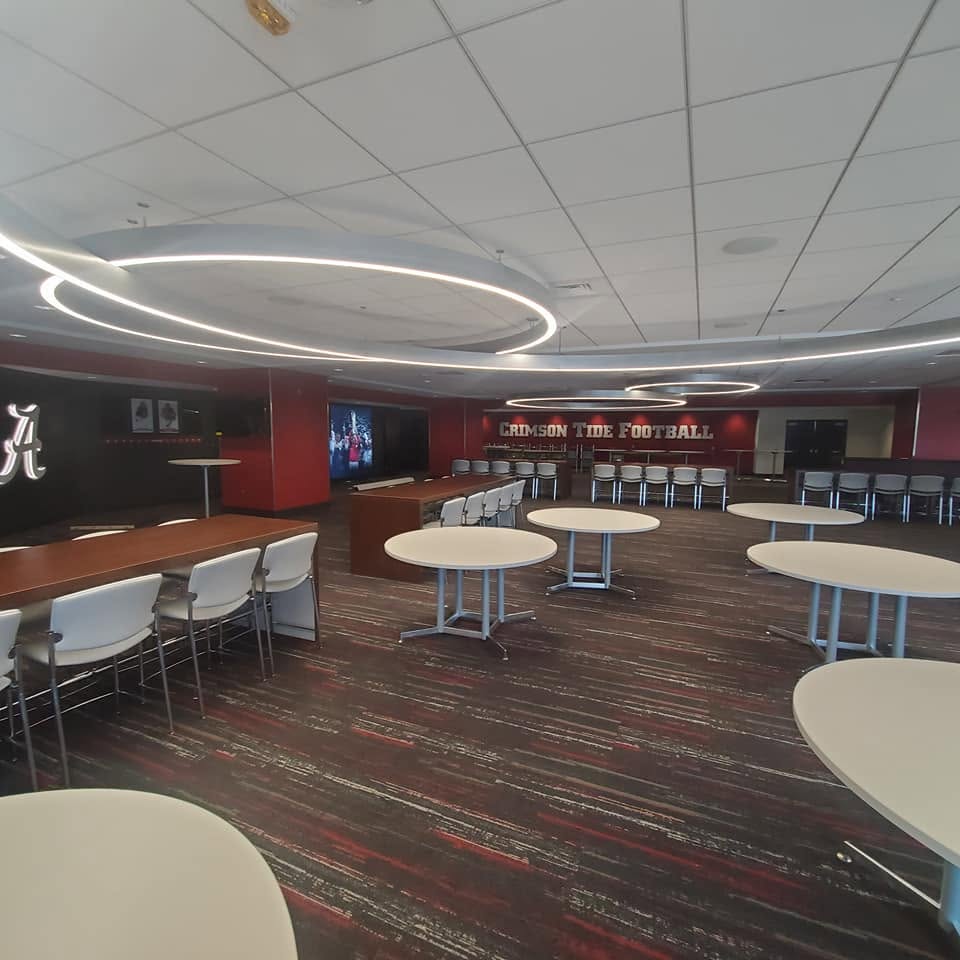
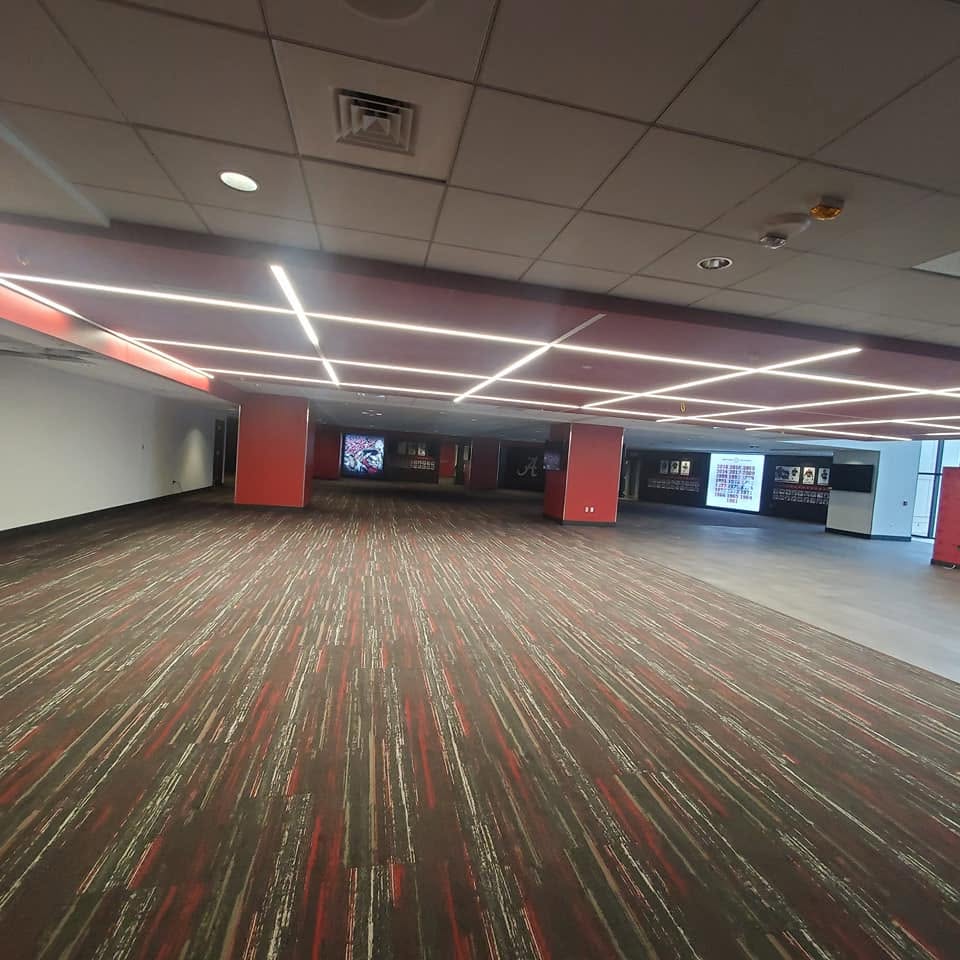
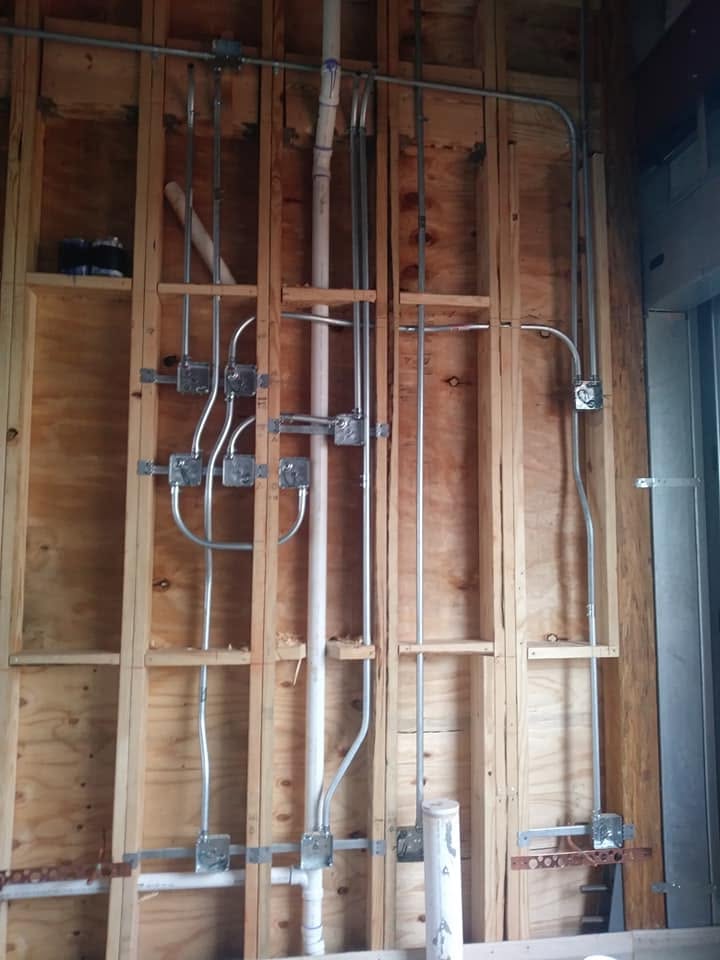
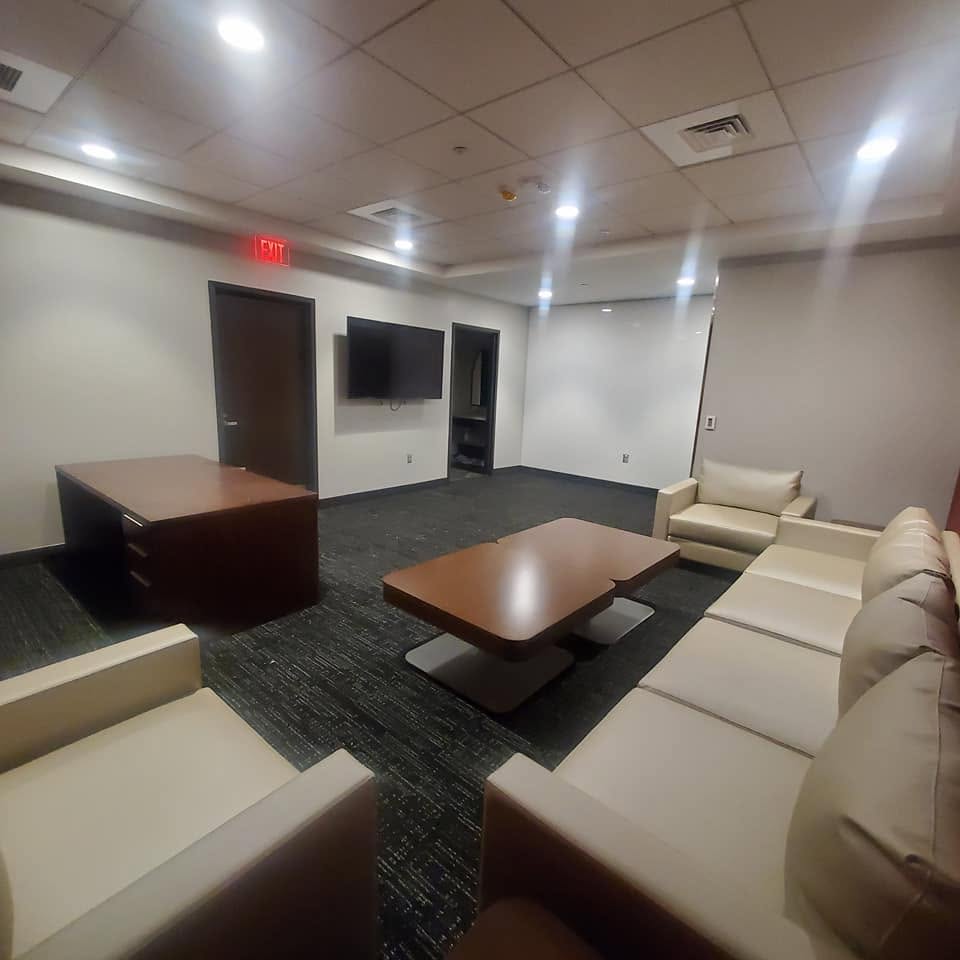
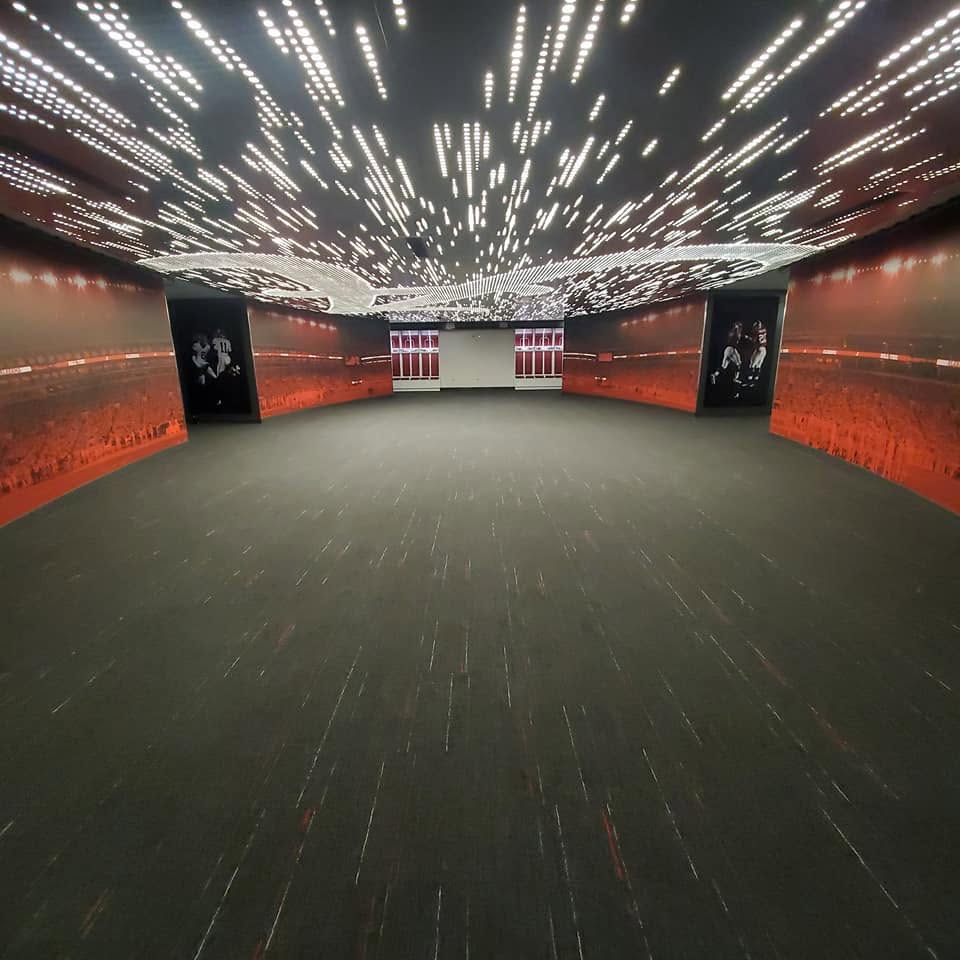
My shot came during Covid, when a Project Manager asked me to be Lead Journeyman on a renovation project at Bryant-Denny Stadium — Alabama’s recruiting lounge and the players’ locker room. My crew was a mix: a first-year apprentice who asked a hundred questions and kept me honest, a retired Navy vet a lot of people underestimated but who just needed the full scope instead of micromanagement, a few short-term contract guys, and a group of Hispanic laborers brought in to help us finish. It was the hardest job I’ve ever done, physically and mentally, and it taught me to lead with respect — everyone on that site was there taking care of someone.
Halfway through, Covid hit and we went to 12-hour shifts, seven days a week. I’d just had a daughter, so the stress was real. Headcount on site dropped to a quarter of what it had been. I refused the vaccine but wore a mask and showed up every day. I picked up enough Spanish to give clear instructions to the guys who didn’t speak much English, and stood up for a few of them when deadlines got tight and tempers got short. My phases of the project were among the first completed — but I never got real recognition for it. I left that company about three years later, right around when I’d logged enough hours to sit for my Master Electrician exam. I’d been written up a few times in that stretch, partly because I was hit by a car walking to work and couldn’t hit quota while I was in pain and going to physical therapy. I should’ve taken the leave, but rent was rising and I needed the check. I was angry about how that job treated me — but they couldn’t take away what I’d earned: my Journeyman’s license, my teaching certification, my Master hours, as well as intangible leadership skills and the knowledge to run projects.
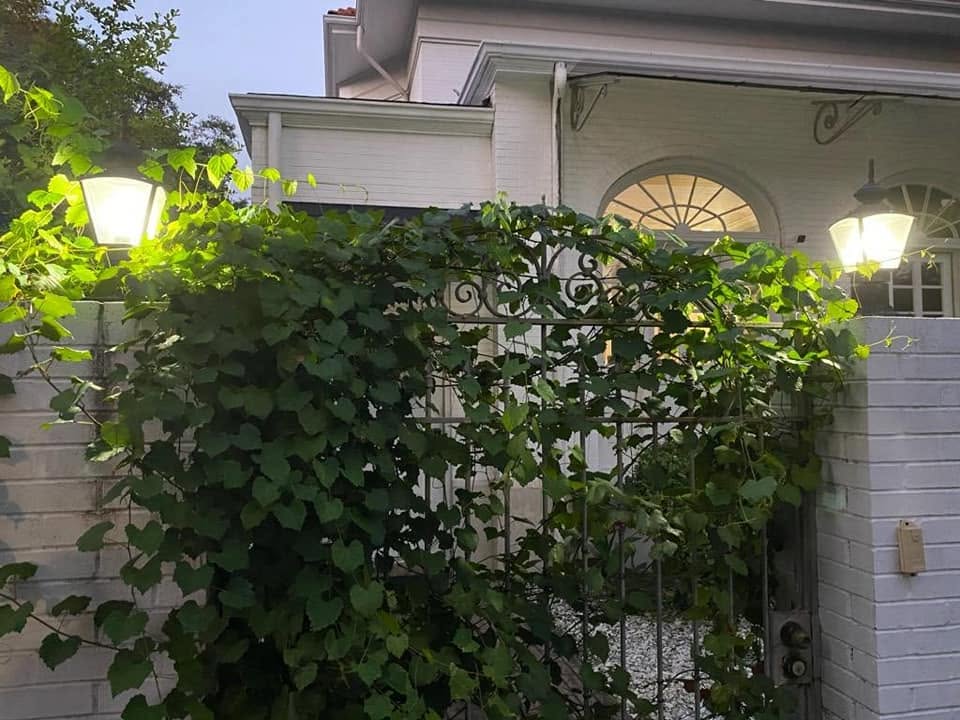
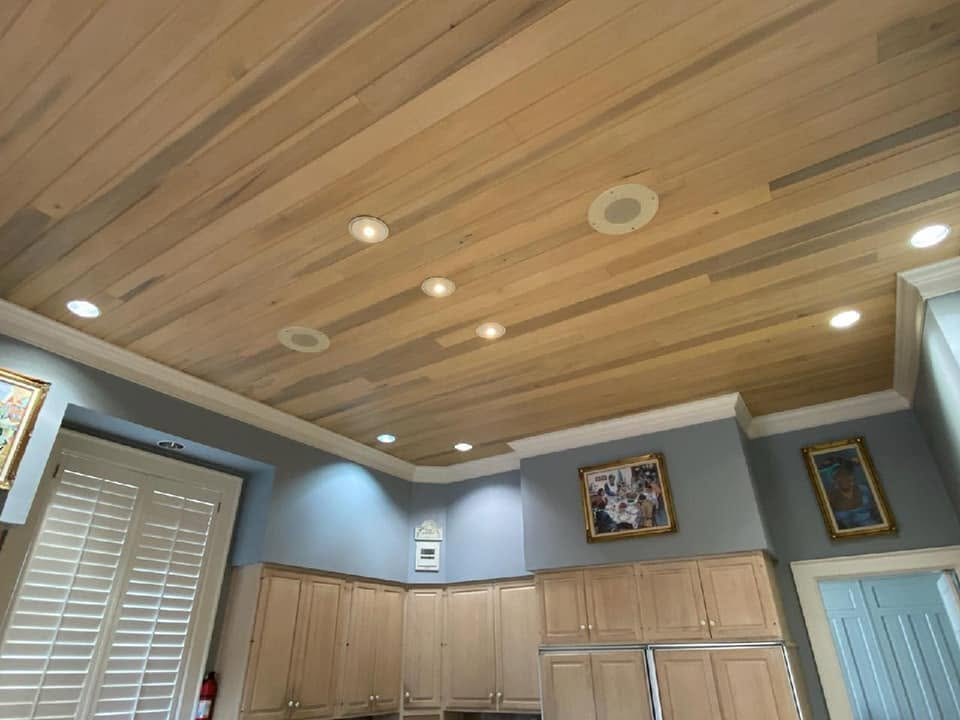
Around 2021, after feeling gate-kept from moving into management in construction, I shifted into maintenance and landed at Regions — my first real introduction to data centers, and the first job that paid me over six figures. No more sweaty clothes, no more needing a drink to decompress. Most of the guys there were 60-plus, which told me something about the gap I could close. I earned my Master Electrician license in 2025. Today I wear a lot of hats — Master Electrician at a data center, pulling permits for residential projects, troubleshooting and installing equipment for clients, and teaching myself to trade in my off time. I want to keep becoming as limitless as I can, because even after everything, there are still people who’ll treat you like you haven’t done anything. Proving them wrong — without ever having to fake it — is still what drives me. I am authentically me. Aśe.
Would you say it’s been a smooth road, and if not what are some of the biggest challenges you’ve faced along the way?
No, it hasn’t been smooth at all — but looking back, I don’t think I’d want it to have been.
The pay side stung early. I earned my Journeyman’s license in 2018, proud enough to tell everybody, and then had my project manager basically laugh at the idea that a highly valued employee like me deserved more than a three-dollar raise — even after working housing complexes, military bases, and schools. That taught me fast that credentials alone don’t guarantee anyone hands you what you’ve earned.
The hardest stretch was leading a crew through a stadium renovation during Covid. We went to 12-hour days, seven days a week, right after I’d had a daughter, so the stress was real — on top of managing a mixed crew and a language barrier with some of our Hispanic laborers, while headcount kept shrinking around us. Around that same time I got hit by a car walking to work and kept pushing to hit quota on an injury I probably should’ve taken leave for — but rent doesn’t wait, so I didn’t.
What got me through it was refusing to let any of that define whether I kept growing. I finished my phases of that project ahead of schedule, kept stacking credentials — Journeyman, teaching certification, Master Electrician — and when the path into management stayed closed at that company, I found my way into data centers instead. The road wasn’t smooth, but every rough patch is basically the reason I have the résumé I have now.
Thanks for sharing that. So, maybe next you can tell us a bit more about your work?
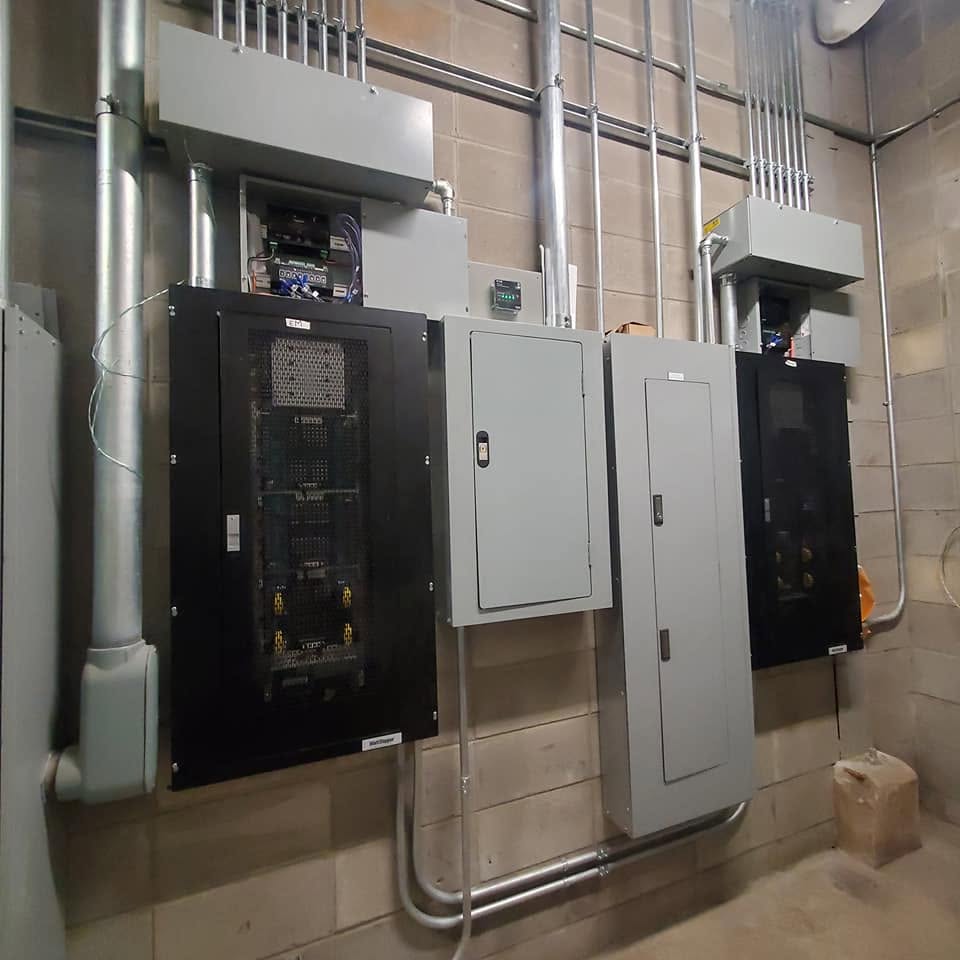
What I do, in short, is keep a data center’s power and cooling infrastructure running the way it’s supposed to — catching problems before they become outages, not just reacting once they do. I’m a Master Electrician and Data Center Electrical Reliability Technician, working hands-on across everything from RPP panel diagnostics and NEC-compliant cable sizing on multi-megawatt feeders, to chiller and CDU cooling loops, to reading BMS/SCADA control screens like a second language.
I specialize in the overlap most people don’t want to own — electrical and mechanical systems that have to work together, not in isolation. I can trace an open circuit through a contactor, catch a trip unit mismatch between two panels before it turns into a real problem, or identify a mislabeled heat exchanger off nameplate data alone. That range is what gets me pulled into a lot of different problems.
What I’m known for is being the guy who digs until he finds the actual root cause instead of just patching the symptom — and who documents it properly afterward, with a full method of procedure, risk assessment, and rollback plan, not just a fix and a shrug.
What I’m most proud of is the road it took to get here. I went from a warehouse floor making $12 an hour to a Master Electrician license in 2025, without ever having “the right pedigree” on paper. I built that path myself — Journeyman, teaching certification, leading crews through some of the hardest conditions I’ve worked in — and I made sure I wasn’t the only one climbing. I’ve put in real hours training the next generation of apprentices, because somebody did that for me once and I don’t forget it.
What sets me apart is that I don’t stay in a lane. Most electricians know electrical. Most mechanical guys know cooling. I’ve built real fluency in both, plus the controls layer that ties them together — and I bring the same discipline whether it’s a live panel or a live stadium project with the clock running out.
What do you like best about our city? What do you like least?
Let’s see. I love that Birmingham is like a Mini- Atlanta! In the sense that not only are we “right down the street” but the black influence in this city makes it easier to root for “us” because we have a lot of representation from lawyers, activists, doctors, educators, and most recently skilled trades. You don’t have to go very far to network with people who look like you or are in the same field, within the city, making those connections deeper, giving a familial vibe.
To me, what I like least about our city would be that they were weren’t able to keep our UFL League Birmingham Stallions! It’s like they could’ve put it to a vote or something! I loved them!
Pricing:
- Free Electrical Estimates
- Permits $90+
Contact Info:
- Website: https://www.powellspowersolutions.com/
- Facebook: https://www.facebook.com/KPowellElectric
- LinkedIn: https://www.linkedin.com/in/kenneth-powell-34255b98/