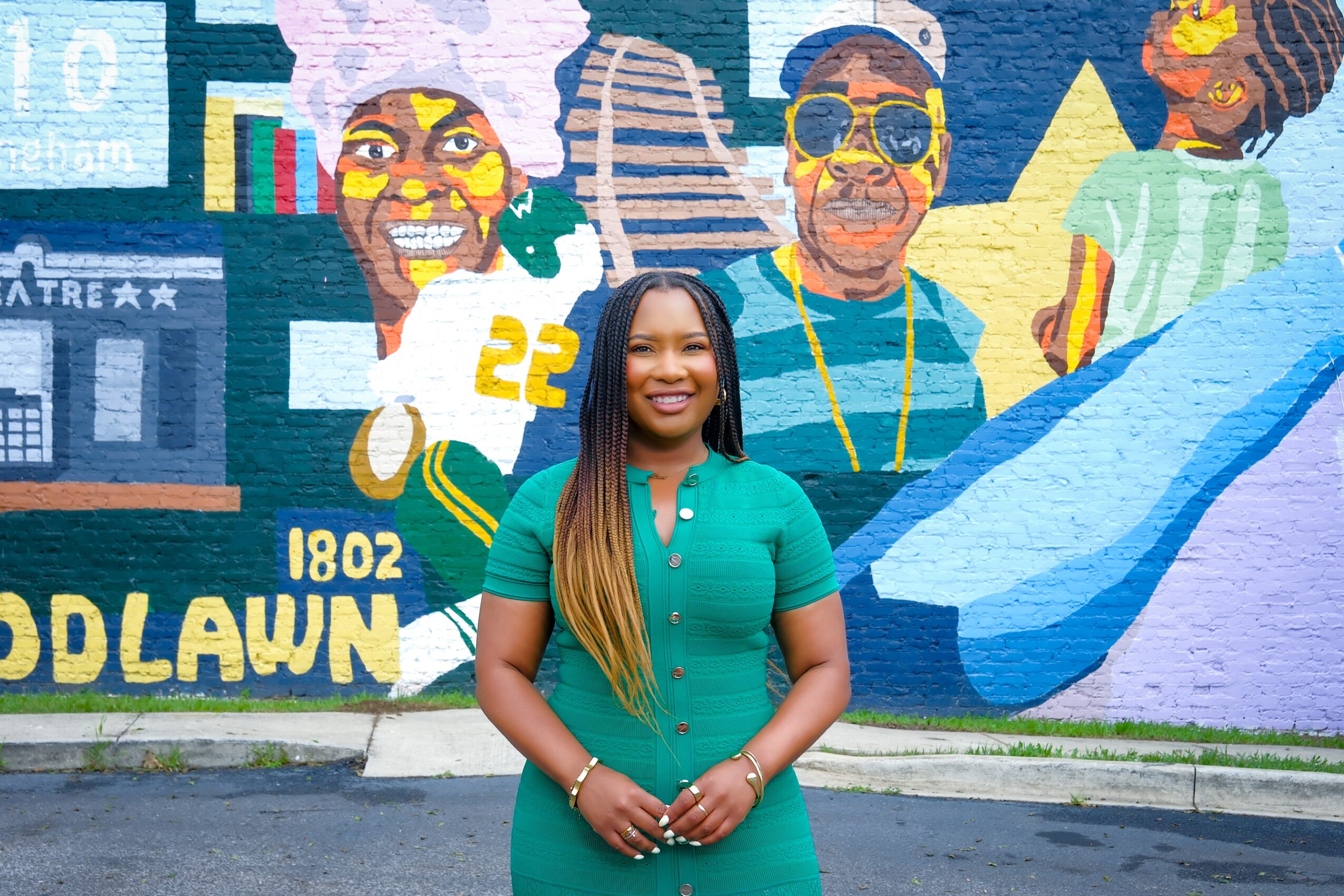
Today we’d like to introduce you to Mashonda Taylor.
Hi Mashonda, it’s an honor to have you on the platform. Thanks for taking the time to share your story with us – to start maybe you can share some of your backstory with our readers?
I was born in Birmingham, Alabama, but I wasn’t raised here. When I was four, my mom met my stepdad, who was in the Navy, and our family began moving around quite a bit. We spent time in Montgomery, Cincinnati, Newport, Rhode Island, and Birmingham before eventually settling in Cincinnati after he left the military. I often say I’m from Birmingham, but I’m not necessarily “of” Birmingham. Growing up in different places gave me the opportunity to experience different communities, cultures, and perspectives and to be around a lot of different people.
I eventually returned to Birmingham for high school and later attended Loyola University New Orleans. My senior year was 2006, when Hurricane Katrina hit. Being in New Orleans during that time profoundly changed how I viewed communities and the systems that shape people’s lives.
I volunteered through my sorority and with other organizations, and I began noticing things I had never really paid attention to before. I met children who were in certain grade levels but struggled to read or do basic math. I saw deep, entrenched poverty and the stark differences between neighborhoods—the contrast in the built environment, access to resources, and overall quality of life. Katrina made me start thinking differently about systems and, more importantly, about how those systems were failing people.
When I returned to Birmingham after Katrina, I started looking at my own city through a different lens. I became more aware of what was happening in my own community and felt a growing responsibility to do something meaningful about it.
After graduating from Loyola, I wasn’t exactly sure what I wanted my career to look like, so I pursued a master’s degree in Organizational Leadership from Gonzaga University. I often call it my “life degree” because it taught me something I’ve carried throughout my career: whether you’re talking about a community, a city, a state, a country, or a corporation, strong leadership matters. I wanted to understand how I could take what I was learning and use it to create meaningful change for people.
At the same time, I was working at a Social Security law office. Many of our clients had been waiting years for their benefits, and by the time they received them, they had often lost almost everything. Many were dealing with physical limitations, limited educational opportunities, and significant barriers to employment. I spent a lot of time listening to their stories and helping connect them to resources they needed to survive while they waited for their benefits.
That experience was incredibly formative. I heard stories from people all across Alabama—not just Birmingham, but rural communities as well. I heard about people losing power, not having enough food, struggling to find housing, and not having their basic needs met. It reinforced for me that these challenges were rarely isolated. There were systems and policies underneath them that needed to be addressed.
Eventually, an opportunity came along that I didn’t actually get, but it opened the door to a relationship with Sally Mackin, our founding executive director, and our founding education director at what would become the Woodlawn Foundation in 2012. I joined the organization as the office administrator.
I had two degrees, but this was coming right after the recession, when jobs were difficult to find. More importantly, I wanted to do meaningful work. So I started at the beginning—literally from the bottom—and helped build the systems and structures of the organization.
But I also brought something from my previous work with me: listening.
I would attend neighborhood association meetings and listen to residents talk about what was happening in their community. I began thinking more deeply about what it really means to revitalize a community holistically. You can’t just build a house and say you’ve revitalized a neighborhood. You have to think about housing, education, health and well-being, safety, economic opportunity, transportation, food access, and all of the other things that influence how people experience their community.
That became the foundation of my work with Woodlawn Foundation. We are a nonprofit community quarterback, working through a holistic community revitalization model. The work is about bringing together housing, education, community well-being, and economic vitality to create a neighborhood where people can thrive.
I grew with the organization, taking on different roles and responsibilities over the years. When our founding executive director left in 2019, I applied for the position. On March 14, 2020, I stepped into the role of President and CEO. I came into that role with a vision for what I believed the organization could become and what the next level of our work needed to look like.
One of my biggest priorities was building people and building leaders. I’ve always believed that sustainable change requires strong people and strong leadership. I also wanted us to go deeper into policy. It’s one thing to build houses or develop programs, but we also have to ask: What policies are creating barriers to that work? What needs to change so that communities across Birmingham and Alabama can have better access to opportunity?
I wanted us to become a strong example of what community revitalization could look like when it is done well—not just doing the work, but understanding the systems behind it and identifying the policies that could make it easier for others to do the same. I also wanted to build a strong, sustainable organization. As a startup, we had spent years figuring out the right structures, the right leadership, and the right ways to serve the community while also being fiscally responsible. I wanted to make sure we were building an organization that could last.
And ultimately, I wanted to make sure that our work around education, housing, community well-being, and economic opportunity was connected. Regardless of whether a child attends a traditional public school or a public charter school, their neighborhood still plays an enormous role in their everyday life and their long-term success.
Finally, I wanted to build something that could outlast any one person. That meant creating a strong succession plan, a clear strategic and operational direction, and a financially sustainable organization so that whoever sits in the CEO seat can continue moving the work forward.
When I look back, my journey makes a lot of sense. Moving around as a child taught me how to understand different communities. Katrina taught me to see systems and inequities differently. My work at the law office taught me the power of listening to people’s lived experiences. My education taught me about leadership. And Woodlawn gave me the opportunity to bring all of those experiences together.
I didn’t necessarily set out with a perfectly defined career path. I just kept following the places where I felt I could make a difference. And that ultimately led me here—to doing work that I believe can create lasting change, not just for one person or one family, but for an entire community.
Can you talk to us a bit about the challenges and lessons you’ve learned along the way. Looking back would you say it’s been easy or smooth in retrospect?
No, it has not been a smooth road. Neighborhood revitalization is hard. Let me repeat that: neighborhood revitalization is hard.
What makes it particularly difficult is that you’re bringing a very complex concept into a community that has historically experienced a lack of resources and, in many cases, a lack of access to information and opportunity. Then you’re asking residents to trust you to build alongside them when, historically, the phrase “neighborhood revitalization” has often been associated with displacement.
So, for us, the work has always been about trust. There’s a saying that “the work moves at the speed of trust,” and I believe that wholeheartedly. There have been times when we’ve gotten really far along in this journey, only for something to happen that damaged that trust, and we had to go back and start rebuilding those relationships all over again.
One of the things that makes our organization different is that we are truly place-based. Our offices are in the community. A number of our board members are residents of the community. And, more importantly, I live here. It’s one thing to sit in an office somewhere else and say, “We want to revitalize this neighborhood.” It’s something completely different to live here and say, “I’m going to be a part of this journey alongside you.”
That proximity creates accountability. I have to wake up in this community. My neighbors are the people we serve. I see the successes, but I also see the challenges. So there’s a personal investment in getting this right.
We’ve also had to navigate a lot of leadership transitions over the years—within government, nonprofits, and other organizations involved in this work. When you’re talking about a 15- or 20-year vision for a community, leadership will inevitably change. So one of the challenges has been figuring out how we create the kind of succession planning and organizational infrastructure that allows the work to continue regardless of who is sitting in a particular seat.
Residents deserve consistency. They deserve to know that regardless of who is leading an organization, who is serving in elected office, or who is funding the work, the commitment to their community remains.
We’ve also had to learn how to navigate politics and leadership differences. Regardless of who is sitting in an elected position, we have to keep our focus on the work. Policy doesn’t care whether an issue exists in an urban or rural community. People are experiencing many of the same challenges—housing affordability, education, economic mobility, access to resources—and we have to figure out how to work together to address them.
There have certainly been controversial moments and what I would call “gotcha moments,” but we’ve tried to rise above those things and set a standard for what we want our community to be. Our job is not to get caught up in the noise. Our job is to keep moving the work forward.
Education has been complex. Housing development is complex. And then there’s the complexity of finding the right people to lead each of those areas. We’re pulling together opportunity zone funding, federal resources, philanthropic dollars, private investment, and a number of other tools to bring capital into the community. But the question is always: How do we do that without creating the unintended consequence of displacing the very residents we are trying to serve? That balance is one of the hardest parts of this work.
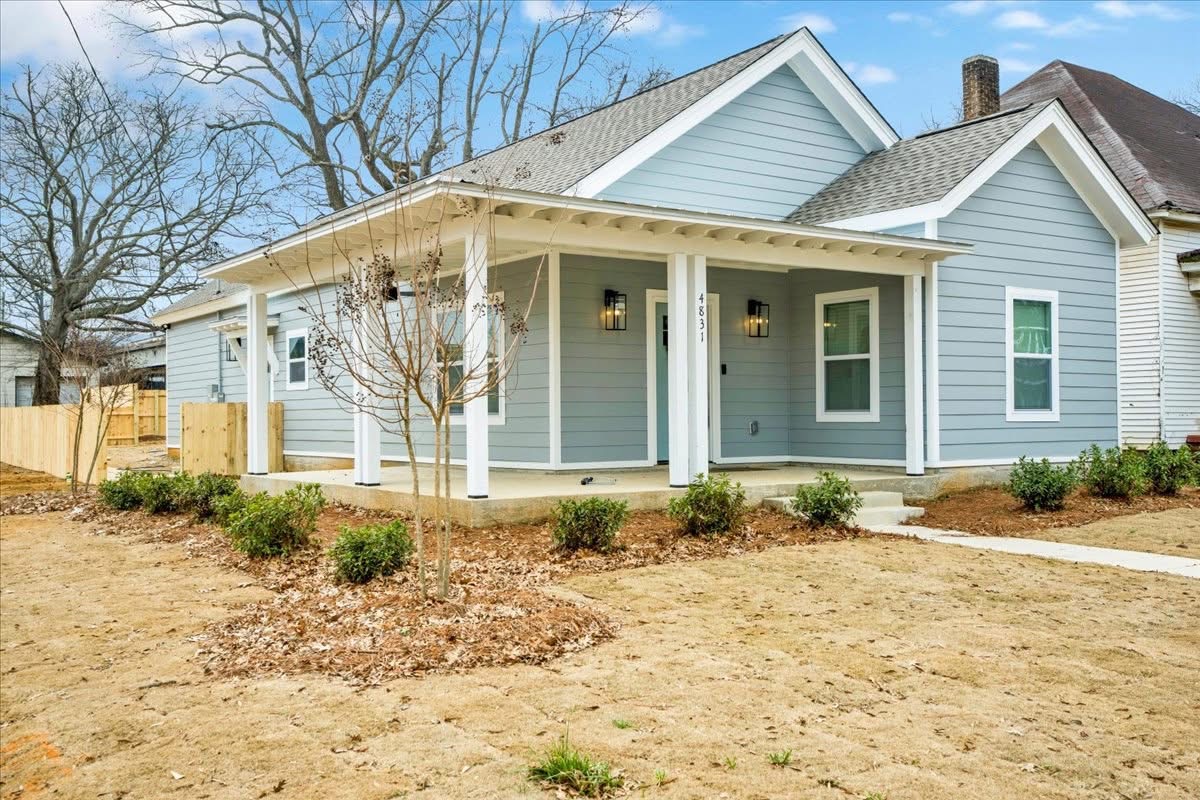
One of our greatest strengths is that we have a real estate development arm within our organization, and we own more than 120 parcels that we can develop. That gives us an incredible opportunity to help shape what happens in the community. But having that opportunity also comes with responsibility. There comes a point when residents are ready for the neighborhood to grow. They want new housing. They want new businesses. They want better amenities and more opportunities. We have to respond to that desire while also being intentional about the pace of development.
Because building too quickly can create unintended consequences just as easily as not building at all. So, for me, neighborhood revitalization is an ongoing ebb and flow. It’s about knowing when to push forward, when to slow down, when to listen, and when to adjust. We don’t always get it right, but we are committed to learning, being accountable, and making sure that the people who have been here are able to remain here and benefit from the progress happening around them.
The road has absolutely not been smooth. But I think some of the hardest moments have also made us stronger, more intentional, and more committed to doing this work the right way.
Thanks for sharing that. So, maybe next you can tell us a bit more about your work?
At the heart of what I do is community revitalization. I lead Woodlawn United, a nonprofit community quarterback focused on the holistic revitalization of the Woodlawn community. But I think it’s important to say that my job is not simply to run an organization. My job is to help build the conditions for a community to thrive.
That means thinking about the whole picture—housing, education, economic mobility, health and wellness, community safety, quality of life, and the systems and policies that influence all of those things. I specialize in bringing people, resources, and ideas together around a shared vision and then figuring out how we actually move from vision to implementation.
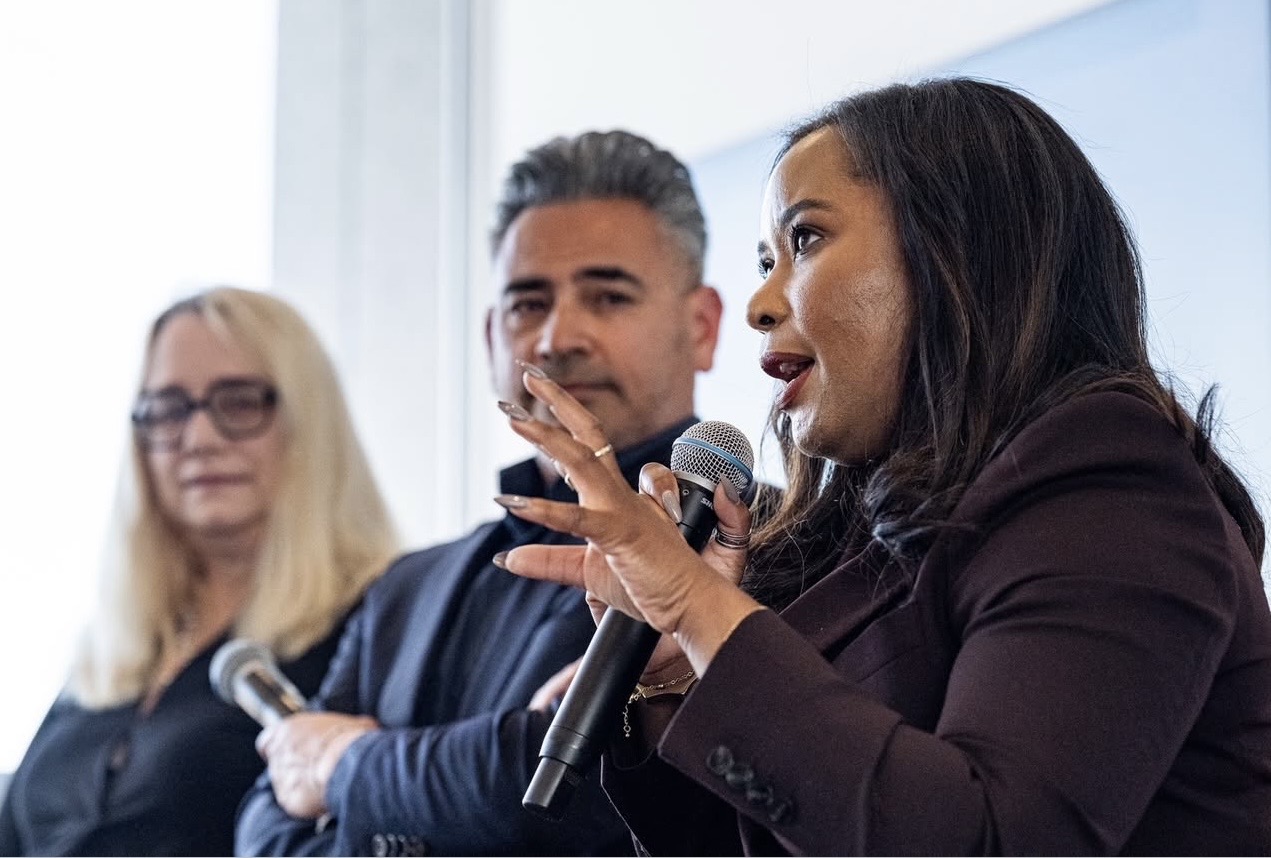
A lot of my work is really about being a connector and a translator. I can sit at the table with residents, elected officials, philanthropy, corporations, developers, educators, nonprofits, and government and help translate what each group is saying so that we can find the common ground necessary to move the work forward. Because community revitalization is not something one organization can do by itself.
I think I’m also known for being very intentional about listening. I learned early in my career that if you want to understand what a community needs, you have to actually listen to the people who live there. Not just conduct a survey or hold a meeting, but build relationships and understand people’s lived experiences. The work moves at the speed of trust, and I take that very seriously.
What I’m most proud of is the fact that we have been able to build an organization and a model that is deeply rooted in the community while also thinking about the bigger picture. We’re not just doing individual projects. We’re thinking about how housing connects to education, how education connects to economic mobility, how economic mobility connects to quality of life, and how all of those things connect back to the policies and systems that shape opportunity.
I’m also incredibly proud of the people we’ve been able to build along the way. I’ve always been a firm believer in building and growing people and leaders. If the work is going to be sustainable, it cannot depend on one person. We have to build an organization and a community that has the leadership capacity to continue moving forward.
What sets us apart, I think, is our commitment to being truly place-based. We don’t just work in Woodlawn—we are part of Woodlawn. Our offices are here. Our board includes residents. And I live in the community. There’s a different level of accountability when you’re not just coming into a neighborhood to do work, but you actually live alongside the people you’re serving.
We also have the ability to bring different kinds of capital and expertise to the table. Through our real estate development work, our partnerships, our policy work, and our relationships with philanthropy, government, and the private sector, we’re able to think about how all of these levers can work together.
Ultimately, I think what sets me apart is that I’m not interested in just being able to say we did a project. I want to know whether the project changed something. Did it create opportunity? Did it improve someone’s quality of life? Did it strengthen the community? Did it move us closer to the kind of neighborhood residents told us they wanted?
For me, success is not about being the person with all the answers. It’s about creating the relationships, structures, and opportunities that allow a community to find and build those answers together. That’s the work I’m most passionate about, and that’s what I’m most proud to be a part of.
What sort of changes are you expecting over the next 5-10 years?
I think over the next five to ten years, we’re going to get much better at understanding how to infuse capital into communities in a way that is comprehensive and sustainable. More recently, we’ve been having conversations with the Federal Reserve Banks in New York and Atlanta about what it really looks like to do this work well—to make sure communities are adequately resourced and that the investment isn’t coming solely from philanthropy. I think we’re moving toward a model where we’re pulling every possible economic lever—government funding, private investment, philanthropy, federal resources, community development tools, and other forms of capital—to create the conditions for communities to truly thrive.
I also think we’re going to see much stronger collaboration among national organizations that are doing foundational work in this space. When you look at organizations like Purpose Built Communities, StriveTogether, the William Julius Wilson Institute at Harlem Children’s Zone, and Partners for Rural Impact, there is an opportunity for these national partners to come together and help develop solutions to some of our most complex challenges—affordable housing, education, economic mobility, and quality of life—not just in urban communities, but in rural communities as well.
I think the way we work is going to shift, too. There’s going to be a greater sophistication around the community quarterback model and what it means to structure an organization in a way that truly serves people better. Nonprofits are often viewed as these “bleeding heart” organizations, but one of my colleagues, Logan Herring, has a phrase I really love: “We are tax-exempt businesses.” I think that mindset is important. We have to think about how we build strong organizations, how we generate and steward capital, and how we create sustainable models that can serve as an extension of government—not a replacement for government—at the local, state, and federal levels.
I also think institutions like ours are going to become increasingly necessary. If we want to move the needle on opportunity in our cities, we need organizations that can sit in the middle of government, philanthropy, business, residents, and other community partners and help coordinate all of those resources toward a shared vision.
That leads to another major shift I see: intentional collaboration. At Woodlawn United, we steward more than 80 partnerships with nonprofits and organizations in our community alone. The question going forward is not necessarily, “How do we create another organization or another program?” It’s, “How do we coordinate the organizations that already exist more effectively? How do we work together more intentionally? And how do we make sure we are collectively serving more people?”
I also think data is going to play an increasingly important role. Purpose Built Communities has really helped us double down on collecting and using information to tell the story of our work. Instead of assuming something is working or relying solely on anecdotes, we can look at the numbers and understand what is actually happening in a community. The data can tell us where we’re making progress, where we’re falling short, and where we need to make different investments. And ultimately, I think that will make it easier for government leaders, funders, businesses, and community leaders to make better decisions about the issues of our time.
There’s a lot happening at Woodlawn United, and I’m excited that we’re continuing to move beyond individual projects and build systems that create lasting change.
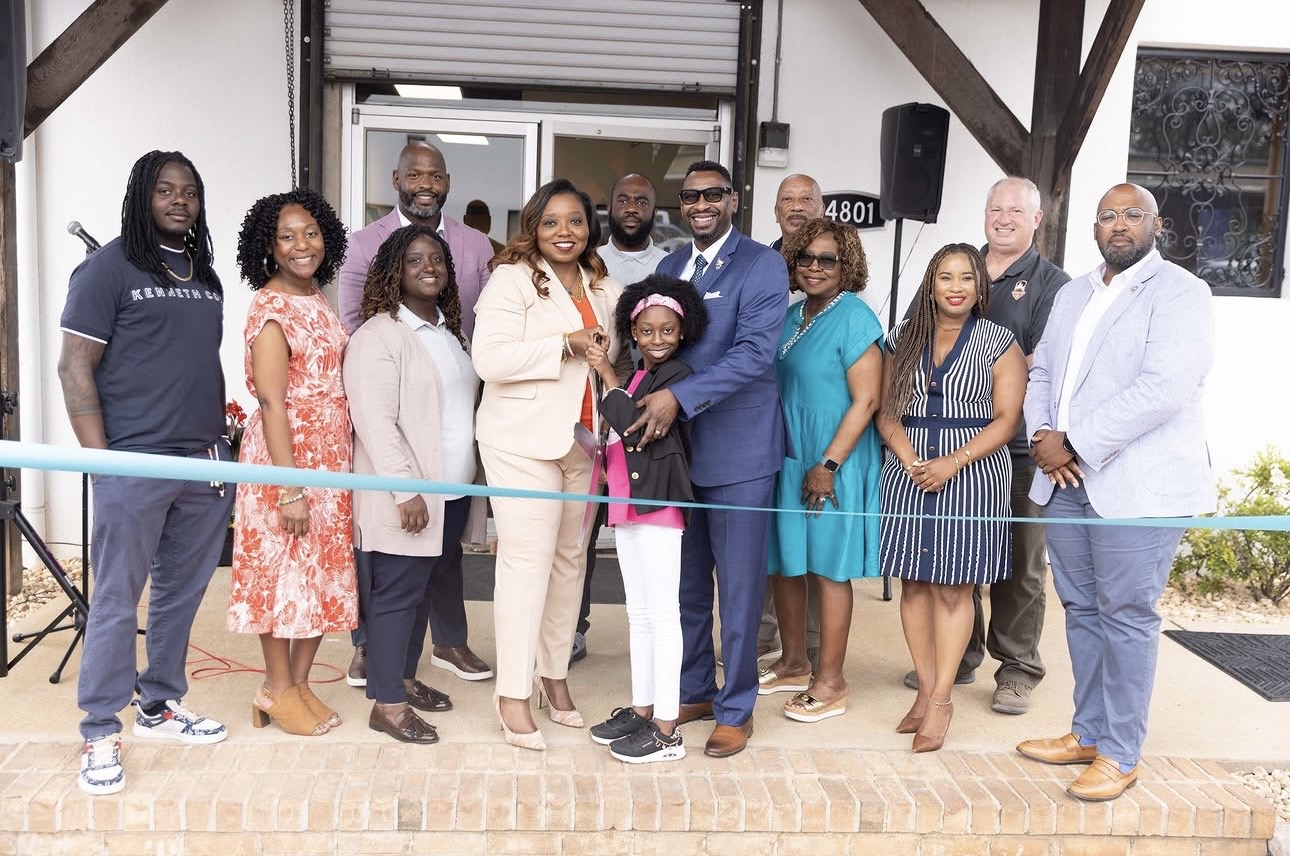
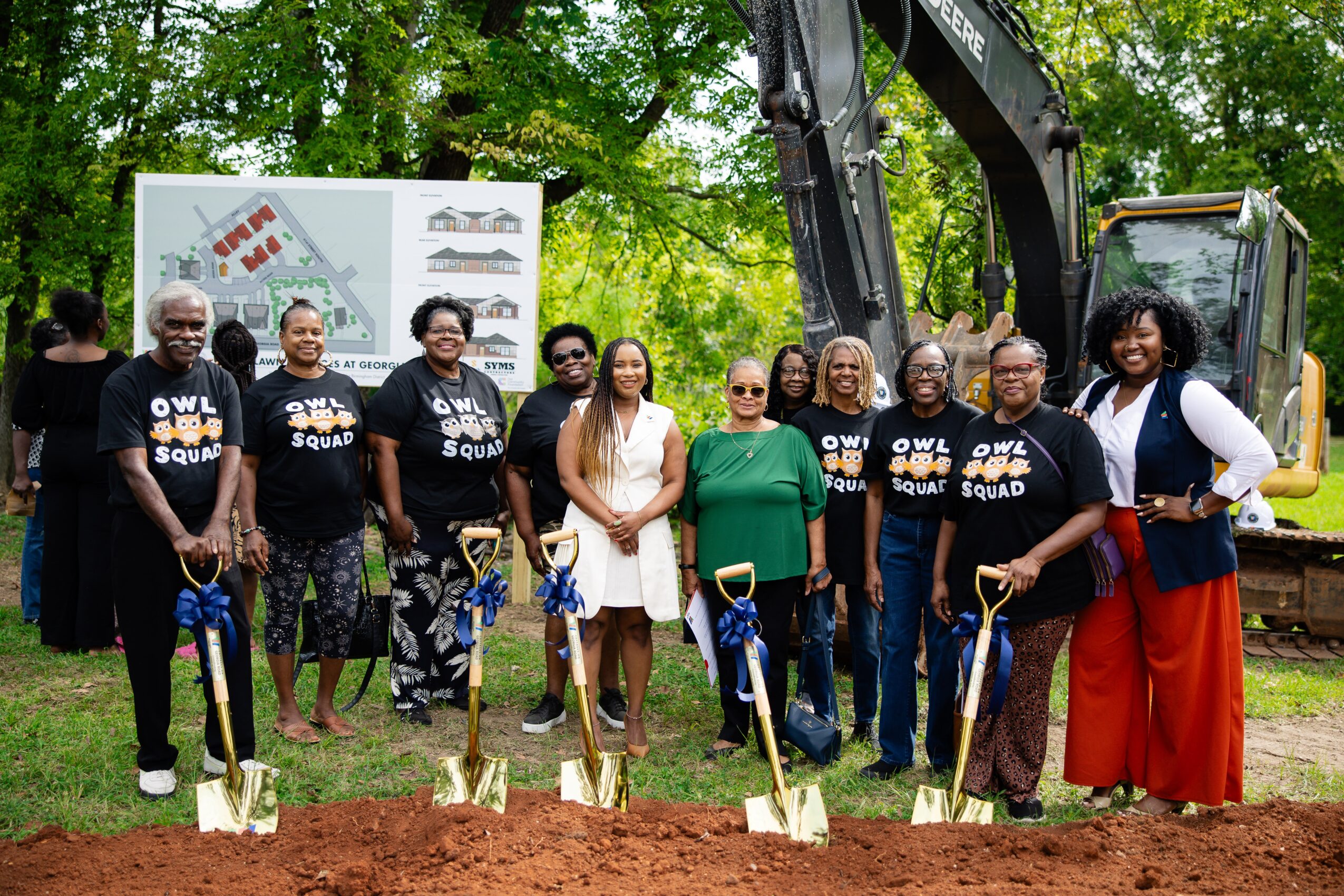
We’ve stewarded 100+ partnerships and been involved in five housing developments, bringing organizations, businesses, and community partners together around a shared vision while creating quality housing opportunities.
We also launched our Critical Repair Program, which helps provide essential repairs for legacy homeowners. Revitalization can’t just be about building new—it has to be about making sure the people who have invested in this community for years can remain and benefit from its progress.
We’re also becoming much more intentional about data. We launched the Flourishing Neighborhood Index (FNI) in two neighborhoods, measuring community health across social, structural, and economic indicators. Most importantly, it centers residents in identifying what’s working, what needs to change, and what they want their neighborhood to become. We’ll use that data, alongside the Lupton Center and community members, to develop an implementation plan for change.
And we recently had the opportunity to apply for the Federal Promise Neighborhoods Grant, which would allow us to further connect education, community resources, and services into a cradle-to-career pipeline.
All of these efforts are connected to the bigger vision: creating a community where residents can not only live, but truly flourish.
So, if I had to sum up where I think this industry is going, I would say more capital, stronger collaboration, better organizational structures, and much more intentional use of data. The organizations that can bring those pieces together while keeping residents at the center of the work are going to be the ones that help shape what thriving communities look like over the next decade.
Contact Info:
- Website: https://woodlawnunited.org
- Instagram: https://www.instagram.com/woodlawnunited/?utm_source=ig_web_button_share_sheet
- Facebook: https://www.facebook.com/WoodlawnUnited/
- LinkedIn: https://www.linkedin.com/company/woodlawnunited/